How to Test Water Pressure at Home: Complete 2025 Guide
Testing water pressure in your home is essential for maintaining optimal plumbing performance and identifying potential issues before they become costly problems. Whether you’re experiencing weak shower flow or suspect pressure irregularities, this comprehensive guide will show you multiple proven methods to accurately test water pressure using professional techniques and common household tools.
Understanding Normal Water Pressure in Your House
The normal water pressure in most residential homes across the United States ranges between 40 to 60 PSI (pounds per square inch), with the ideal range being 45 to 55 PSI. According to 2024 plumbing standards, pressures below 40 PSI result in poor performance of fixtures, while pressures above 80 PSI can damage pipes and appliances. Municipal water systems typically deliver water at 50-60 PSI to residential areas.
Water pressure variations occur due to factors including elevation changes, distance from water treatment facilities, and peak usage times. In high-rise buildings, pressure naturally decreases on upper floors, while ground-level homes near pumping stations may experience higher than average readings. Understanding these baseline measurements helps determine when your home’s water pressure requires adjustment or professional attention.
Essential Equipment for Testing Water Pressure
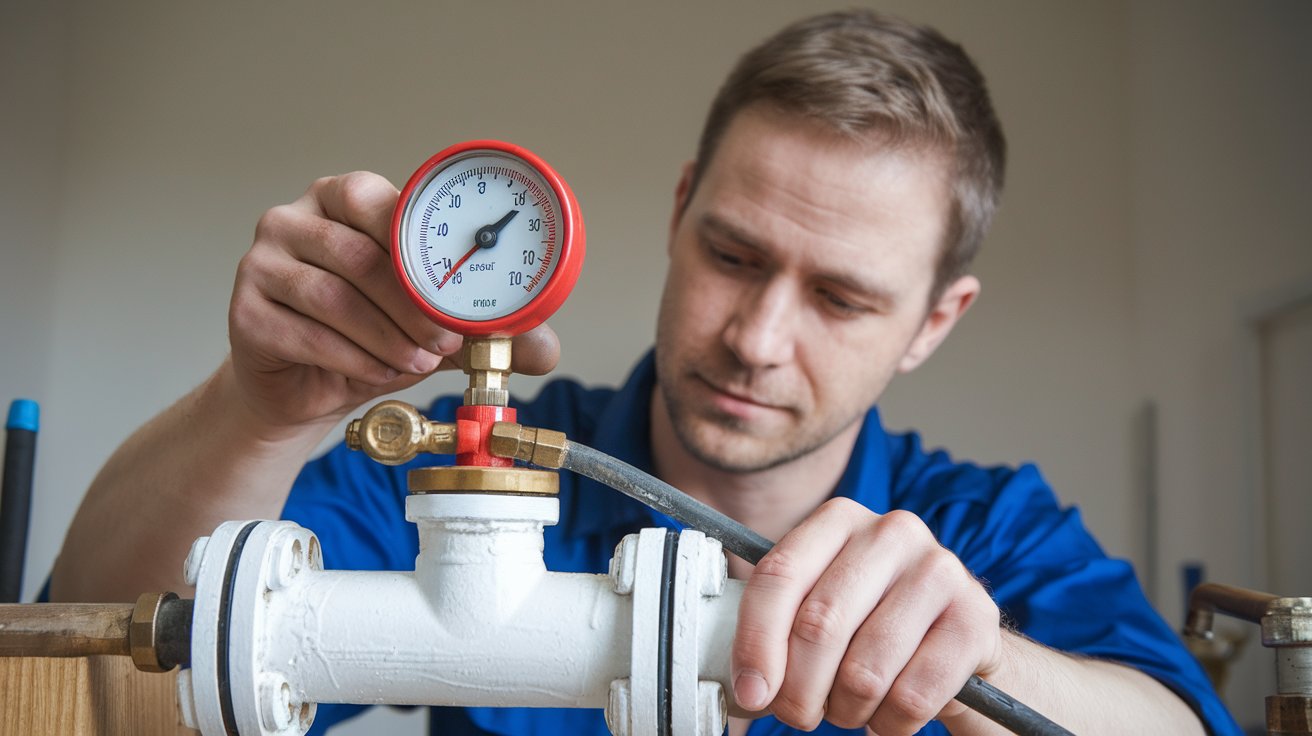
Professional water pressure testing requires specific tools designed for accurate measurement and safety. The primary instrument is a water pressure gauge, available at hardware stores for $15-30, featuring a threaded connection that attaches to standard faucet outlets. Digital gauges provide precise readings and are preferred by professional plumbers for their accuracy and ease of reading.
Additional equipment includes adjustable wrenches for secure connections, thread seal tape to prevent leaks, and safety glasses for protection during testing. Some homeowners prefer analog gauges for their durability and battery-free operation. When selecting a pressure gauge, choose models with ranges up to 200 PSI to accommodate various testing scenarios and ensure accurate readings across different pressure levels.
How to Test Water Pressure with a Professional Gauge
Begin by selecting an appropriate testing location such as an outdoor spigot, laundry room connection, or bathroom faucet with removable aerator. These locations provide direct access to the main water supply without interference from internal plumbing restrictions.
Choosing the Optimal Testing Location
The most accurate water pressure readings come from locations closest to your main water line. Outdoor hose bibs provide the most direct connection to municipal supply, while indoor locations may show reduced readings due to pipe friction and fixture restrictions. Avoid testing at shower heads or kitchen faucets with flow restrictors, as these will not reflect true system pressure.
Preparing for Accurate Measurements
Before attaching your pressure gauge, ensure no water is running anywhere in the house to get static pressure readings. Check that washing machines, dishwashers, and irrigation systems are not operating. Remove faucet aerators or attachments and clean threads thoroughly. Apply thread seal tape clockwise to the gauge threads to prevent leaks during testing.
Installing and Reading the Pressure Gauge
Thread the gauge onto the faucet or spigot hand-tight, then use an adjustable wrench to secure firmly without over-tightening. Slowly turn on the water supply to full capacity and allow the pressure to stabilize for 10-15 seconds. Record the reading when the needle stops moving. Repeat this process at multiple locations throughout your home to identify pressure variations and potential problem areas.
Alternative Methods: How to Check Water Pressure Without a Gauge
When professional gauges aren’t available, several reliable methods allow homeowners to estimate water pressure using common household items. These techniques provide approximate readings sufficient for identifying obvious pressure problems.
The Bucket Test Method
The bucket test measures water flow rate to estimate pressure levels. Using a standard one-gallon container, time how long it takes to fill completely from a fully-opened faucet. Normal pressure should fill a gallon bucket in 6-8 seconds. Times exceeding 10 seconds indicate low pressure, while times under 4 seconds suggest unusually high pressure requiring professional evaluation.
Visual Flow Assessment Techniques
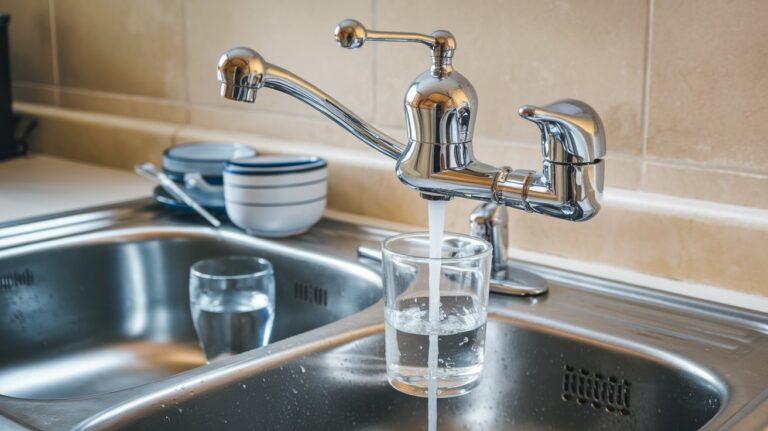
Observing water flow characteristics provides valuable pressure insights without specialized equipment. Strong, consistent streams indicate adequate pressure, while weak, inconsistent flows suggest pressure problems. Compare flow rates between different fixtures – significant variations indicate localized plumbing issues rather than system-wide pressure problems. Document these observations to help professional plumbers diagnose issues efficiently.
Testing Water Pressure in Specific Areas
Different areas of your home may experience varying water pressure levels due to pipe routing, elevation changes, and fixture types. Systematic testing throughout your property identifies problem areas and helps determine whether issues are localized or system-wide.
How to Test Water Pressure in Shower Systems
Testing shower pressure requires removing the shower head and attaching your pressure gauge directly to the shower arm. This bypasses flow restrictors and provides accurate pressure readings. Many modern shower heads include built-in pressure-reducing features, so direct arm testing reveals true available pressure for optimal shower performance.
Washing Machine Connection Testing
Washing machine connections provide excellent testing points due to their direct connection to main supply lines. Disconnect supply hoses and attach your gauge to the wall valves. These connections typically show pressure readings closest to municipal supply levels, making them ideal for baseline measurements when diagnosing system-wide pressure issues.
Professional Water Pressure Test Inspection Process
Professional plumbers conduct comprehensive pressure testing using calibrated equipment and systematic procedures. Their process includes static pressure measurement, flow rate analysis, and pressure loss calculations throughout the plumbing system. Professional testing identifies issues invisible to basic home testing methods.
Water pressure test inspection protocols involve testing at multiple points simultaneously, measuring pressure drops during usage, and evaluating pressure regulator function. Licensed plumbers use digital recording equipment to document pressure variations over time, identifying intermittent problems that single-point testing might miss. This comprehensive approach ensures accurate diagnosis of complex pressure-related issues.
How to Adjust Water Pressure in Your House
Once you’ve identified pressure problems through testing, several solutions can restore optimal water flow. Most homes include a pressure regulator near the main water meter, adjustable using a wrench to increase or decrease system pressure within safe operating ranges.
For homes without existing pressure regulators, installing one costs $300-500 and provides long-term pressure control. Low pressure issues often stem from partially closed main shutoff valves, clogged fixtures, or aging pipes requiring professional replacement. High pressure problems require immediate attention to prevent pipe damage and fixture wear, typically resolved through pressure regulator adjustment or replacement.
Troubleshooting Common Water Pressure Problems
Systematic troubleshooting helps identify root causes of water pressure problems before calling professional services. Begin by testing pressure at multiple locations to determine whether issues are localized or system-wide. Sudden pressure changes often indicate valve problems or pipe blockages requiring immediate attention.
Gradual pressure decline typically results from mineral buildup in pipes or fixtures, while inconsistent pressure suggests pressure regulator malfunction. Document pressure readings, times of occurrence, and affected fixtures to provide valuable diagnostic information for professional plumbers if professional service becomes necessary.
Related video about how to test water pressure
This video complements the article information with a practical visual demonstration.
Key Questions and Answers
How can I check the water pressure in my house without a gauge?
You can estimate water pressure using the bucket test method – time how long it takes to fill a one-gallon container from a fully-opened faucet. Normal pressure fills the bucket in 6-8 seconds. Times over 10 seconds indicate low pressure, while under 4 seconds suggests high pressure needing professional evaluation.
What is the normal water pressure in a house?
Normal residential water pressure ranges from 40-60 PSI, with the ideal range being 45-55 PSI according to 2024 plumbing standards. Pressure below 40 PSI causes poor fixture performance, while pressure above 80 PSI can damage pipes and appliances throughout your home.
How do plumbers do a pressure test?
Professional plumbers use calibrated digital gauges to measure static pressure at multiple points simultaneously. They test pressure drops during usage, evaluate pressure regulator function, and use recording equipment to document pressure variations over time, identifying intermittent problems basic testing might miss.
How do I adjust the water pressure in my house?
Most homes have a pressure regulator near the main water meter that’s adjustable using a wrench. Turn clockwise to increase pressure, counterclockwise to decrease. For homes without regulators, installation costs $300-500. Always adjust gradually and retest to avoid over-pressurizing your plumbing system.
Where is the best location to test water pressure?
Outdoor hose bibs provide the most accurate readings as they connect directly to the main water supply. Indoor washing machine connections are also excellent testing points. Avoid testing at shower heads or kitchen faucets with flow restrictors, as these don’t reflect true system pressure.
When should I call a professional for water pressure testing?
Contact a professional plumber if you discover pressure readings below 40 PSI or above 80 PSI, experience sudden pressure changes, or find significant pressure variations between fixtures. Professional testing is also recommended for intermittent pressure problems or when adjusting pressure regulators doesn’t resolve issues.
| Testing Method | Accuracy Level | Best Use Case |
|---|---|---|
| Professional Gauge | Highly Accurate (±1 PSI) | Precise measurements for system diagnosis |
| Bucket Test | Approximate Estimate | Quick pressure assessment without tools |
| Visual Flow Assessment | General Indication | Identifying obvious pressure problems |
| Professional Inspection | Most Comprehensive | Complex issues and system-wide analysis |