Best Whole House Water Filtration Systems 2025: Complete Guide
A whole house water filtration system provides clean, safe water throughout your entire home by filtering contaminants at the main water line. With water quality concerns affecting over 45 million Americans in 2024, these systems have become essential for protecting your family’s health and home appliances from harmful substances like chlorine, sediment, and heavy metals.
How Whole House Water Filtration Systems Work
A whole house water filtration system connects directly to your home’s main water line, ensuring every faucet, shower, and appliance receives filtered water. The system typically consists of pre-filters for sediment removal, carbon filters for chlorine and chemical elimination, and specialized filters targeting specific contaminants. Unlike point-of-use filters that only treat water at individual taps, these comprehensive systems protect your entire household water supply.
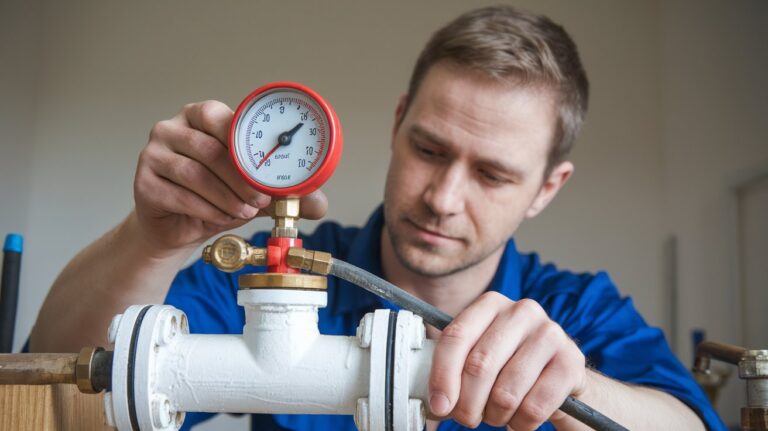
The filtration process begins when water enters your home through the main line, passing through multiple filter stages before reaching your plumbing system. Most systems include a bypass valve allowing unfiltered water for outdoor use, helping extend filter life while maintaining optimal performance for indoor consumption and bathing.
Types of Whole House Water Filtration Systems
Understanding the different types of filtration systems helps you choose the right solution for your specific water quality issues and household needs.
Sediment Filtration Systems
Sediment filters remove particles like sand, silt, and rust from your water supply, making them ideal for homes with well water or areas experiencing infrastructure issues. These systems typically use pleated or wound filters with micron ratings between 1-50, effectively capturing visible particles while maintaining good water flow rates throughout your home.
Carbon Block Systems
Carbon filtration systems excel at removing chlorine, volatile organic compounds (VOCs), and improving taste and odor. These systems use activated carbon to absorb chemical contaminants, making them perfect for municipal water treatment where chlorine levels often exceed 2 parts per million. Carbon systems require regular replacement every 6-12 months depending on usage and water quality.
Multi-Stage Systems
Multi-stage filtration systems combine sediment removal, carbon filtration, and specialized media to address multiple water quality issues simultaneously. These comprehensive systems often include KDF media for heavy metal removal, calcite for pH correction, and sometimes UV sterilization for bacterial elimination, providing the most thorough water treatment available.
Best Whole House Water Filter Systems in 2025
Based on extensive testing and Consumer Reports data from 2024-2025, several systems consistently rank as top performers in terms of contaminant removal, flow rate, and reliability.
Premium Performance Systems
The best whole house water filter systems according to Consumer Reports include the Aquasana Rhino EQ-1000, SpringWell CF1, and Pelican PC1000. These systems feature flow rates of 7-15 gallons per minute, NSF certification, and comprehensive contaminant removal including chlorine, heavy metals, and organic compounds. Professional installation typically costs $300-800 additional.
Budget-Friendly Options
For homeowners seeking affordable filtration solutions, the iSpring WGB32BM and Home Master HMF3SdgFeC offer excellent value under $500. These systems provide basic sediment and carbon filtration suitable for most municipal water supplies, with easy DIY installation and readily available replacement filters costing $60-120 annually.
Whole House Water Filtration System Cost Analysis
Understanding the total cost of ownership helps you make an informed investment decision for your home’s water quality needs.
Initial Purchase and Installation Costs
The whole house water filtration system cost ranges from $300 for basic systems to $4,500 for premium multi-stage units in 2025. Professional installation adds $200-1,200 depending on complexity, existing plumbing configuration, and local labor rates. Most homeowners invest $800-2,000 total for a quality system with professional installation.
Ongoing Maintenance Expenses
Annual maintenance costs typically range from $100-400, primarily for filter replacements. Sediment filters require changing every 3-6 months at $15-40 each, while carbon filters last 6-12 months at $50-150 per replacement. Higher-end systems may include additional specialized filters costing $75-200 annually, but provide superior contaminant removal.
Installation Requirements and Process
Proper installation ensures optimal performance and longevity of your water filtration system. Most installations require 2-4 hours and basic plumbing modifications to your main water line.
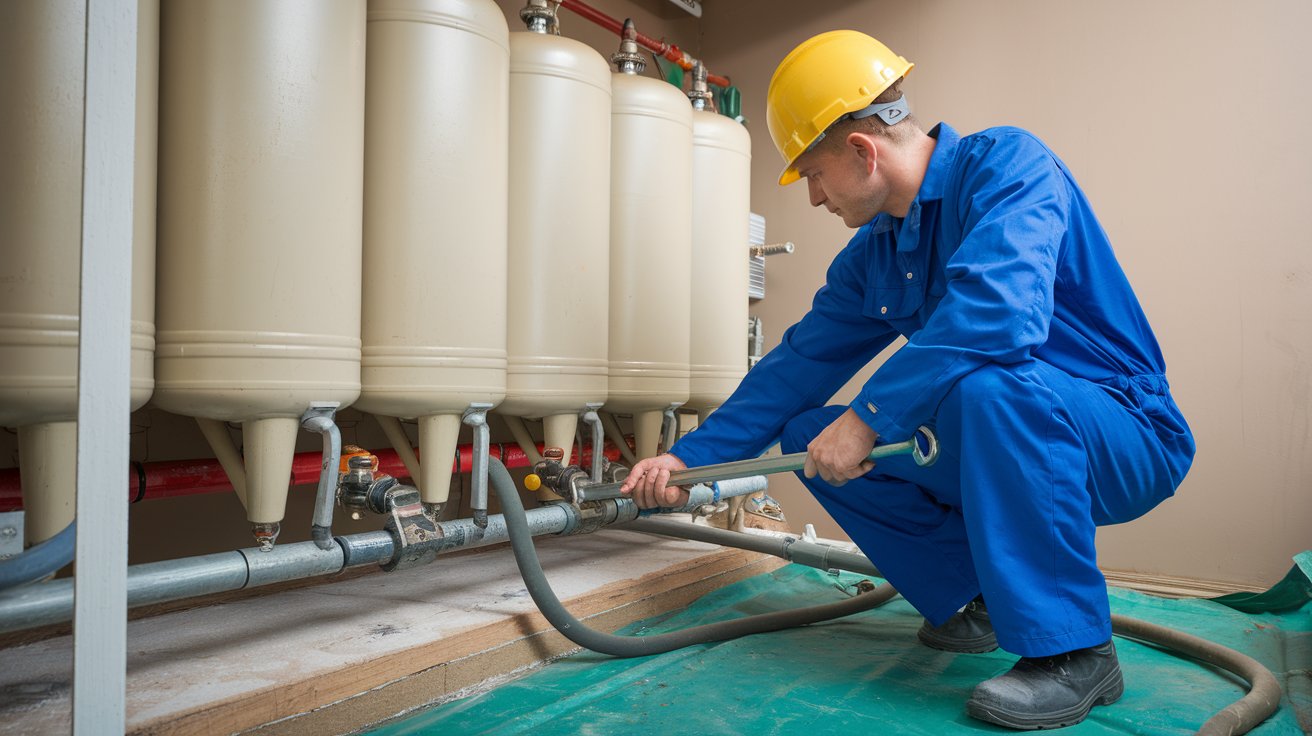
The installation process involves shutting off your main water supply, cutting into the main line, installing the system housing with bypass valves, and connecting all necessary fittings. Professional installers ensure proper sizing, adequate space for filter changes, and compliance with local plumbing codes. DIY installation is possible for mechanically inclined homeowners but may void warranties.
Whole House Water Filtration for Well Water
Well water presents unique challenges requiring specialized filtration approaches to address bacteria, minerals, and other naturally occurring contaminants.
Common Well Water Contaminants
Well water contamination often includes bacteria, iron, manganese, hydrogen sulfide, and hardness minerals. These contaminants require specific treatment methods beyond basic sediment and carbon filtration. UV sterilizers eliminate bacteria, iron filters remove metallic taste and staining, and water softeners address mineral buildup throughout your plumbing system.
Recommended Systems for Wells
The best whole house water filtration systems for well water include the SpringWell WS1, Pelican Iron & Manganese Filter, and SoftPro IronMaster. These systems combine multiple treatment stages specifically designed for well water challenges, featuring higher flow rates, corrosion-resistant components, and specialized media for iron and sulfur removal.
Disadvantages and Considerations
While whole house filtration systems offer significant benefits, several disadvantages require consideration before purchase. Initial costs can be substantial, ranging $800-4,500 including installation. Systems require regular maintenance and filter replacements, adding ongoing expenses of $100-400 annually. Water pressure may decrease slightly, particularly with older plumbing or undersized systems.
Space requirements can be challenging in smaller homes, as systems need accessible locations near the main water line. Some systems waste water during backwashing cycles, and certain specialized filters may remove beneficial minerals along with contaminants. Additionally, power-dependent systems like UV sterilizers become ineffective during outages, potentially leaving your water untreated.
Maintenance and Filter Replacement Schedule
Consistent maintenance ensures your filtration system continues providing clean, safe water while maximizing component lifespan and system efficiency.
Sediment pre-filters typically require replacement every 2-3 months in average conditions, or more frequently with heavily contaminated water supplies. Carbon filters last 6-12 months depending on chlorine levels and water usage. Specialized filters like iron removal or pH correction media may need annual replacement. Regular pressure gauge monitoring helps identify when filters need changing, as decreased flow rates indicate clogged components requiring immediate attention.
Related video about whole house water filtration system
This video complements the article information with a practical visual demonstration.
Important things to know about whole house water filtration system
How much does a whole house water filtration system cost?
Whole house water filtration systems cost $300-4,500 for the unit, plus $200-1,200 for professional installation in 2025. Basic systems start around $300-800, mid-range options cost $800-2,000, and premium multi-stage systems reach $2,000-4,500. Annual maintenance costs add $100-400 for filter replacements, making the total first-year investment typically $800-3,000 for most homeowners.
What are the disadvantages of a whole house water filter?
Main disadvantages include high upfront costs ($800-4,500), ongoing maintenance expenses ($100-400 annually), potential water pressure reduction, and space requirements near the main water line. Some systems waste water during backwashing, may remove beneficial minerals, and power-dependent components like UV lights fail during outages. Additionally, improper sizing or installation can reduce effectiveness and void warranties.
Do I really need a whole house water filtration system?
You need a whole house system if your water contains chlorine levels above 1 ppm, visible sediment, metallic taste, or odors affecting multiple uses like drinking, cooking, and bathing. Well water users often require filtration for bacteria, iron, and minerals. Municipal water customers benefit when chlorine causes skin irritation or appliance damage. Test your water first to determine specific contaminants before investing in filtration.
How long do whole house water filters last?
Filter lifespan varies by type and water quality. Sediment filters last 2-6 months, carbon filters 6-12 months, and specialized media 1-3 years. The system housing typically lasts 10-15 years with proper maintenance. Higher water usage, greater contamination levels, and municipal chlorine content reduce filter life. Regular monitoring of water pressure and taste helps determine optimal replacement timing for maximum efficiency.
Can I install a whole house water filter myself?
DIY installation is possible for mechanically skilled homeowners with basic plumbing knowledge, potentially saving $200-800 in labor costs. However, professional installation ensures proper sizing, code compliance, and warranty coverage. Complex installations involving electrical work for UV systems or structural modifications require licensed professionals. Most manufacturers recommend professional installation to maintain warranty protection and optimal system performance.
What size whole house water filter do I need?
System size depends on your home’s peak water demand, typically 6-12 gallons per minute for average households. A 2-3 bedroom home needs 6-8 GPM capacity, while larger homes require 10-15 GPM systems. Consider simultaneous usage like multiple showers, dishwashers, and washing machines. Undersized systems cause pressure drops and reduced effectiveness, while oversized units increase costs unnecessarily. Professional sizing ensures optimal performance for your specific needs.
| System Type | Cost Range | Best For |
|---|---|---|
| Basic Sediment/Carbon | $300-800 | Municipal water, basic filtration needs |
| Mid-Range Multi-Stage | $800-2,000 | Comprehensive contaminant removal |
| Premium Systems | $2,000-4,500 | Well water, severe contamination |
| Installation Cost | $200-1,200 | Professional setup and warranty |
| Annual Maintenance | $100-400 | Filter replacements and upkeep |