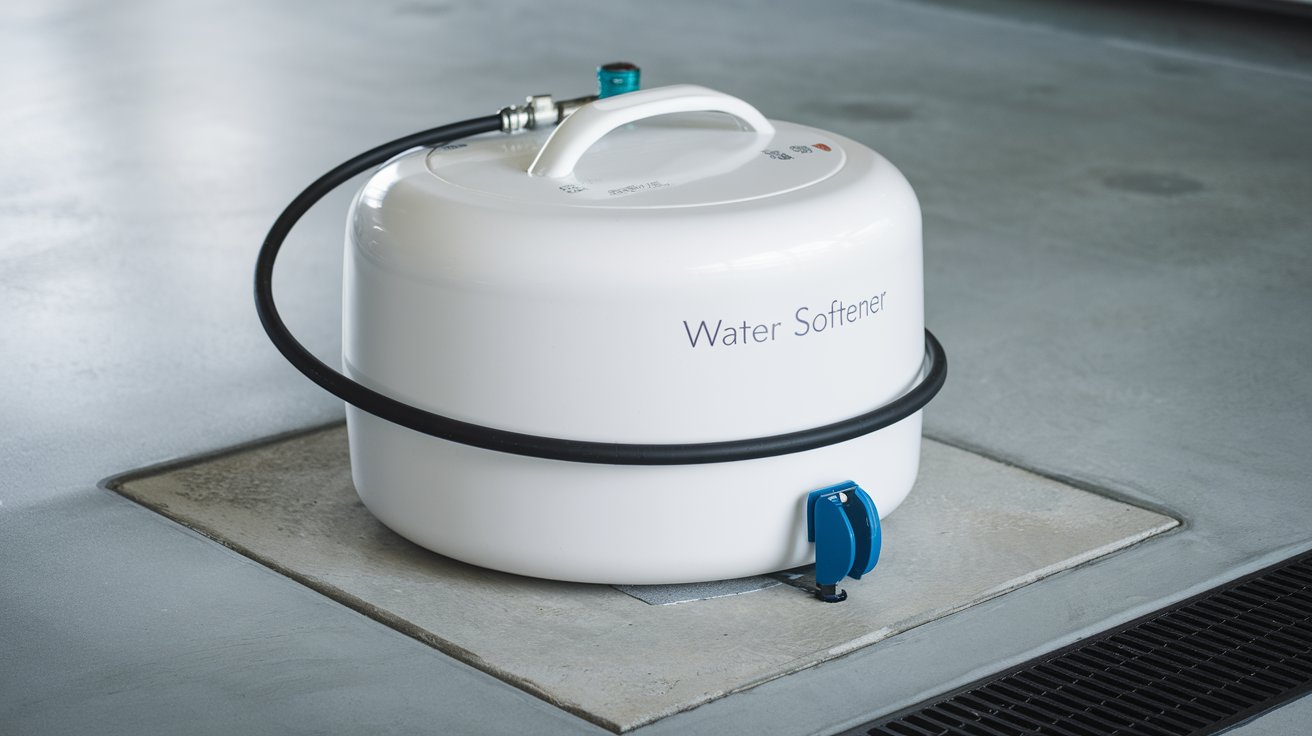
How Does a Water Softener Work? Complete 2025 Guide
A water softener system works by removing hard minerals like calcium and magnesium from your home’s water supply through a process called ion exchange. The system uses resin beads to capture hard minerals and replaces them with sodium ions, transforming hard water into soft water that’s gentler on your plumbing, appliances, and skin.
The Ion Exchange Process: How Water Softeners Work Step by Step
The ion exchange process is the core mechanism that makes water softeners effective. When hard water enters the system, it passes through a tank filled with negatively charged resin beads. These microscopic plastic beads are initially coated with sodium ions, creating the foundation for the softening process.
As hard water flows through the resin bed, the calcium and magnesium ions are attracted to the negatively charged beads. The resin beads release their sodium ions and capture the hard minerals instead. This exchange happens millions of times as water passes through the system, effectively removing the minerals that cause water hardness and replacing them with harmless sodium.
Essential Components of Water Softener Systems
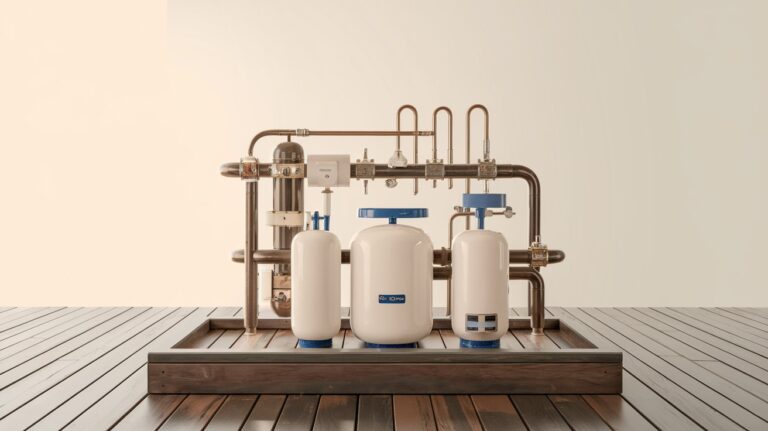
Understanding the key components helps explain how a water softener system functions efficiently. The mineral tank houses the resin beads where the actual softening occurs, while the control valve manages water flow and regeneration cycles. The brine tank stores salt solution necessary for the regeneration process.
Mineral Tank and Resin Beads
The mineral tank contains thousands of tiny resin beads made from polystyrene plastic. These beads carry a negative electrical charge that attracts positively charged calcium and magnesium ions. A typical residential system contains 1-2 cubic feet of resin, capable of softening thousands of gallons before requiring regeneration.
Brine Tank and Salt Storage
The brine tank holds water softener salt that dissolves to create the sodium chloride solution needed for regeneration. Most residential systems use a 40-pound bag of salt monthly, though usage varies based on water hardness and household consumption. The tank typically holds 200-300 pounds of salt to ensure continuous operation.
Water Softener Regeneration Cycle Explained
Water softener regeneration is the cleaning process that restores the resin beads’ ability to remove hard minerals. This automatic cycle typically occurs every 3-7 days, depending on water usage and hardness levels. Modern systems monitor water consumption to optimize regeneration timing.
During regeneration, the system stops softening incoming water and begins the four-stage cleaning process. The brine solution flows backward through the resin bed, displacing captured calcium and magnesium ions and recharging the beads with sodium. This process takes 2-3 hours and uses approximately 40-60 gallons of water.
Backwash Phase
The backwash phase reverses water flow to remove accumulated debris and sediment from the resin bed. This cleaning cycle lasts 10-15 minutes and helps maintain optimal resin performance by preventing clogging and ensuring proper ion exchange capacity throughout the system’s lifespan.
Brine Draw and Slow Rinse
During brine draw, concentrated salt solution flows through the resin bed, displacing hard minerals and recharging the beads with sodium ions. The slow rinse phase follows, thoroughly removing excess brine and ensuring the resin is properly conditioned for the next softening cycle.
Types of Water Softener Systems Available
Several types of water softeners serve different household needs and preferences in 2025. Understanding the differences helps homeowners choose the most appropriate system for their specific water conditions and usage requirements.
Salt-Based Ion Exchange Systems
Salt-based water softeners remain the most effective solution for removing hard minerals, accounting for 85% of residential installations in the United States. These systems use sodium chloride or potassium chloride to regenerate resin beads and can handle water hardness levels up to 25 grains per gallon, making them suitable for most American households.
Salt-Free Water Conditioners
Salt-free water softeners use template-assisted crystallization to change hard mineral structure without removing them from water. While these systems don’t technically soften water, they prevent scale buildup in pipes and appliances. They require minimal maintenance and produce no wastewater, appealing to environmentally conscious homeowners.
Water Softener Maintenance Requirements
Proper water softener maintenance ensures optimal performance and extends system lifespan to 15-20 years. Regular maintenance tasks include salt level monitoring, resin bed cleaning, and periodic system inspections. Modern systems require minimal intervention but benefit from professional servicing annually.
Monthly maintenance involves checking salt levels and ensuring the brine tank contains adequate sodium chloride. The system should maintain 2-3 inches of salt above the water line. Additionally, cleaning the brine tank every 2-3 years prevents salt bridging and maintains proper regeneration cycles.
Water Softener Advantages and Disadvantages
Water softener advantages include extended appliance lifespan, reduced soap usage, softer skin and hair, and eliminated mineral deposits on fixtures. Homeowners typically save $300-500 annually on cleaning products and appliance repairs. Soft water also improves water heater efficiency by up to 29%.
The primary disadvantages include initial installation costs ranging from $1,200-3,000, ongoing salt expenses, and slightly increased sodium content in drinking water. Some people prefer the taste of hard water, and soft water may feel slippery initially. Environmental concerns include salt discharge and increased water usage during regeneration.
Choosing the Right Water Softener System
Selecting an appropriate water softener system requires evaluating household water usage, hardness levels, and available installation space. Professional water testing determines exact hardness levels, measured in grains per gallon or parts per million, guiding system sizing decisions.
Sizing Based on Usage and Hardness
Calculate daily water consumption by multiplying household members by 75 gallons per person. Multiply this by your water hardness level to determine daily grain removal requirements. A family of four with 15 gpg hardness needs a system capable of removing 4,500 grains daily, requiring a 32,000-grain capacity unit with proper regeneration scheduling.
Installation Space and Bypass Valve Considerations
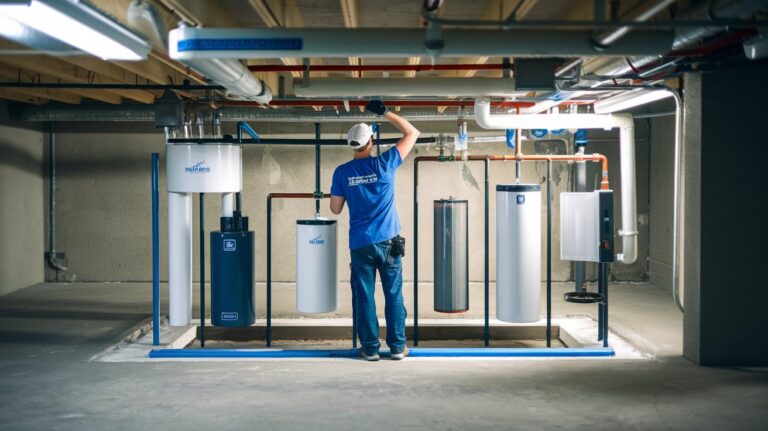
Most residential systems require 2×4 feet of floor space near the main water line entrance. A bypass valve allows water to flow around the system during maintenance or emergencies, preventing household water interruption. Professional installation ensures proper plumbing connections and optimal system performance from day one.
Related video about how does water softener work
This video complements the article information with a practical visual demonstration.
What you should know
What are the disadvantages of a water softener?
Water softener disadvantages include higher upfront costs ($1,200-3,000), ongoing salt expenses ($50-100 annually), slightly increased sodium in drinking water, and wastewater production during regeneration. Some people dislike the slippery feel of soft water and prefer hard water taste.
How does a water softener system work step by step?
Water softeners work through ion exchange: hard water enters the mineral tank, passes through negatively charged resin beads, calcium and magnesium ions attach to beads while sodium ions are released, soft water exits the system. Regeneration cycles restore resin beads using salt brine solution.
How long does a 40 lb bag of water softener salt last?
A 40-pound bag of water softener salt typically lasts 4-6 weeks for an average family of four with moderate water hardness. Usage depends on water hardness levels, household consumption, and system efficiency. Harder water and larger households require more frequent salt additions.
Is it healthier to drink hard or soft water?
Both hard and soft water are safe to drink. Hard water provides beneficial minerals like calcium and magnesium, while soft water contains slightly more sodium. The sodium increase is minimal (10-20mg per 8oz glass) and not significant for most people’s dietary restrictions.
How often should water softener regeneration occur?
Water softener regeneration typically occurs every 3-7 days, depending on water usage and hardness levels. Modern systems use demand-initiated regeneration, monitoring water consumption to optimize timing. High-usage households or extremely hard water may require more frequent regeneration cycles.
Can you use potassium chloride instead of salt in water softeners?
Yes, potassium chloride can replace sodium chloride in water softeners, making it suitable for people on low-sodium diets. However, potassium chloride costs 3-5 times more than regular salt and may require system adjustments for optimal performance and regeneration efficiency.
| Key Aspect | Important Details | Benefit |
|---|---|---|
| Ion Exchange Process | Resin beads capture calcium/magnesium, release sodium | Eliminates water hardness completely |
| Regeneration Cycle | Automatic cleaning every 3-7 days using salt brine | Maintains consistent soft water production |
| Salt Usage | 40-pound bag lasts 4-6 weeks average household | Low maintenance with predictable costs |
| System Lifespan | 15-20 years with proper maintenance | Long-term investment saves money |
| Water Savings | Reduces soap usage by 50-75% | Lower household cleaning costs |