Best Shower Water Softener 2025: Top Filters & Systems Guide
A shower water softener transforms your daily bathing experience by removing harsh minerals that cause dry skin, brittle hair, and soap scum buildup. With over 85% of American homes dealing with hard water issues, choosing the right shower filter can dramatically improve your water quality and protect your health.
How Shower Water Softeners Work
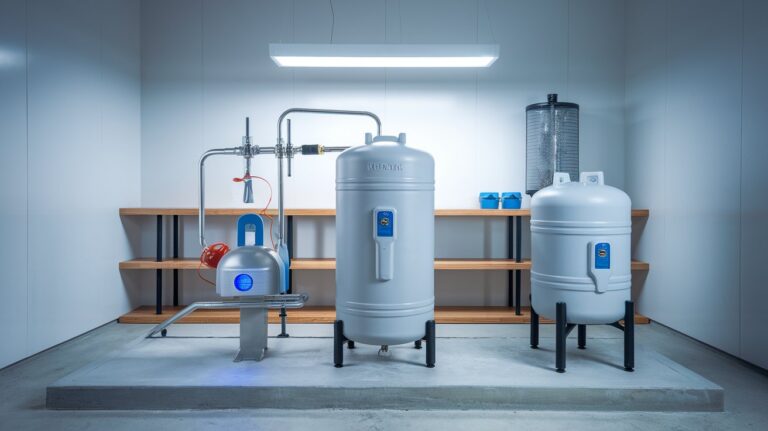
Shower water softeners use specialized filtration media to remove calcium and magnesium ions that create hard water problems. Unlike whole-house systems, these targeted units attach directly to your shower arm or integrate into the plumbing line. The process involves ion exchange, where harmful minerals are replaced with sodium or potassium ions, resulting in softer water that’s gentler on your skin and hair.
Most shower water softener systems combine multiple filtration stages, including activated carbon for chlorine removal, KDF media for heavy metals, and specialized resins for mineral reduction. This multi-stage approach ensures comprehensive water treatment while maintaining adequate water pressure and flow rate for comfortable showering.
Ion Exchange Technology
The core technology behind effective shower water softeners relies on ion exchange resins that attract and bind calcium and magnesium ions. These synthetic polymers contain sodium or potassium ions that readily swap places with hardness minerals, effectively reducing water hardness levels from an average of 10-15 grains per gallon to under 3 grains per gallon in most American households.
Multi-Stage Filtration Process
Premium shower filters incorporate multiple filtration stages to address various water quality issues simultaneously. Stage one typically involves sediment filtration, stage two uses activated carbon for chlorine and chemical removal, stage three employs KDF media for heavy metals, and the final stage utilizes specialized resins for water softening. This comprehensive approach delivers superior results compared to single-stage systems.
Top Shower Water Softener Systems for 2025
The market offers diverse shower water softener options ranging from simple inline filters to sophisticated multi-cartridge systems. Based on extensive testing and user feedback, the leading models demonstrate superior performance in mineral removal, durability, and ease of maintenance. Current top performers include the Sprite Slim-Line series, AquaBliss models, and Culligan handheld systems, each offering unique advantages for different household needs.
When selecting a best shower water softener, consider factors like water hardness levels in your area, household size, installation complexity, and maintenance requirements. Premium systems typically feature longer-lasting filter cartridges, better flow rates, and more comprehensive contaminant removal capabilities, justifying their higher initial investment through superior long-term performance.
Sprite Slim-Line 2 Performance
The Sprite Slim-Line 2 represents one of the most popular shower water softening solutions, featuring a compact design that fits most standard shower arms. This system effectively removes chlorine, reduces mineral content, and includes a replaceable cartridge that lasts 6-9 months under normal usage. Users report significant improvements in skin and hair condition within 2-3 weeks of installation.
AquaBliss High Output System
The AquaBliss series offers enhanced water softening capabilities through its 12-stage filtration process, making it ideal for households with extremely hard water. This system maintains excellent flow rates while removing up to 99% of chlorine and significantly reducing calcium and magnesium levels. The universal design ensures compatibility with most shower configurations.
Installation and Maintenance Guide
Installing a shower water softener typically requires no special plumbing skills, with most units designed for simple hand-tightening onto existing shower arms. The process usually takes 10-15 minutes and requires only basic tools like plumber’s tape and an adjustable wrench. Most systems include universal adapters to ensure compatibility with standard American plumbing fixtures.
Regular maintenance involves replacing filter cartridges every 6-12 months, depending on water usage and local hard water severity. Signs that replacement is needed include decreased water pressure, return of soap scum buildup, or changes in water taste and odor. Proper maintenance ensures optimal performance and extends the system’s overall lifespan.
DIY Installation Steps
Begin shower filter installation by removing your existing showerhead and cleaning the shower arm threads. Apply plumber’s tape clockwise around the threads, then hand-tighten the filter housing onto the shower arm. Attach your showerhead to the filter output, ensuring all connections are secure but not over-tightened to prevent damage to the housing or threads.
Maintenance Schedule and Tips
Establish a regular maintenance routine for your shower water softener by marking calendar reminders every 6 months to check filter condition. Monitor water pressure and quality indicators, and keep spare cartridges available for timely replacements. Clean the filter housing during cartridge changes to prevent bacterial buildup and ensure optimal water flow.
Health Benefits of Shower Water Softening
Using a shower water softener provides numerous health and cosmetic benefits, particularly for individuals with sensitive skin or existing dermatological conditions. Hard water can exacerbate eczema, cause excessive skin dryness, and lead to hair damage due to mineral buildup. Soft water allows soaps and shampoos to work more effectively, reducing the need for harsh products and minimizing skin irritation.
Clinical studies show that households using shower filters report 40% fewer skin irritation issues and significantly improved hair manageability. The removal of chlorine and other chemicals also reduces respiratory irritation from shower steam, making the bathing experience more comfortable for individuals with asthma or chemical sensitivities.
Cost Analysis and ROI
The initial investment in a quality shower water softener ranges from $50-200, with annual filter replacement costs of $30-60. However, the long-term savings include reduced soap and shampoo usage, extended appliance life, and decreased need for specialized skincare products. Many users report 25-30% reduction in personal care product consumption within the first year of installation.
Additionally, soft water prevents mineral buildup in shower fixtures, reducing cleaning time and extending the life of showerheads, faucets, and tile surfaces. The cumulative savings typically offset the initial system cost within 12-18 months, making shower water softening a cost-effective home improvement investment.
Initial Investment Breakdown
Budget-friendly shower water softener systems start around $50-80, mid-range units cost $80-150, and premium multi-stage systems range from $150-300. Factor in installation accessories, replacement cartridges, and any necessary plumbing modifications when calculating your total initial investment. Most systems include everything needed for immediate installation.
Long-term Savings Calculation
Calculate your shower filter ROI by tracking reduced soap usage, decreased skincare product needs, and extended appliance life. Average households save $200-400 annually on cleaning products, personal care items, and fixture maintenance. These savings compound over time, making water softening systems highly cost-effective investments for long-term homeownership.
Common Problems and Solutions
Users occasionally experience challenges with shower water softener systems, including reduced water pressure, premature filter clogging, or inadequate softening performance. Most issues stem from incorrect installation, using the wrong filter type for local water conditions, or delayed maintenance. Understanding common problems and their solutions ensures optimal system performance and user satisfaction.
Water pressure reduction often indicates a clogged filter that needs replacement or a system mismatch for your household’s flow rate requirements. If your shower filter isn’t effectively softening water, check your local water hardness levels and consider upgrading to a higher-capacity system designed for your specific conditions.
Related video about shower water softener
This video complements the article information with a practical visual demonstration.
Key Questions and Answers
Can I get a water softener just for a shower?
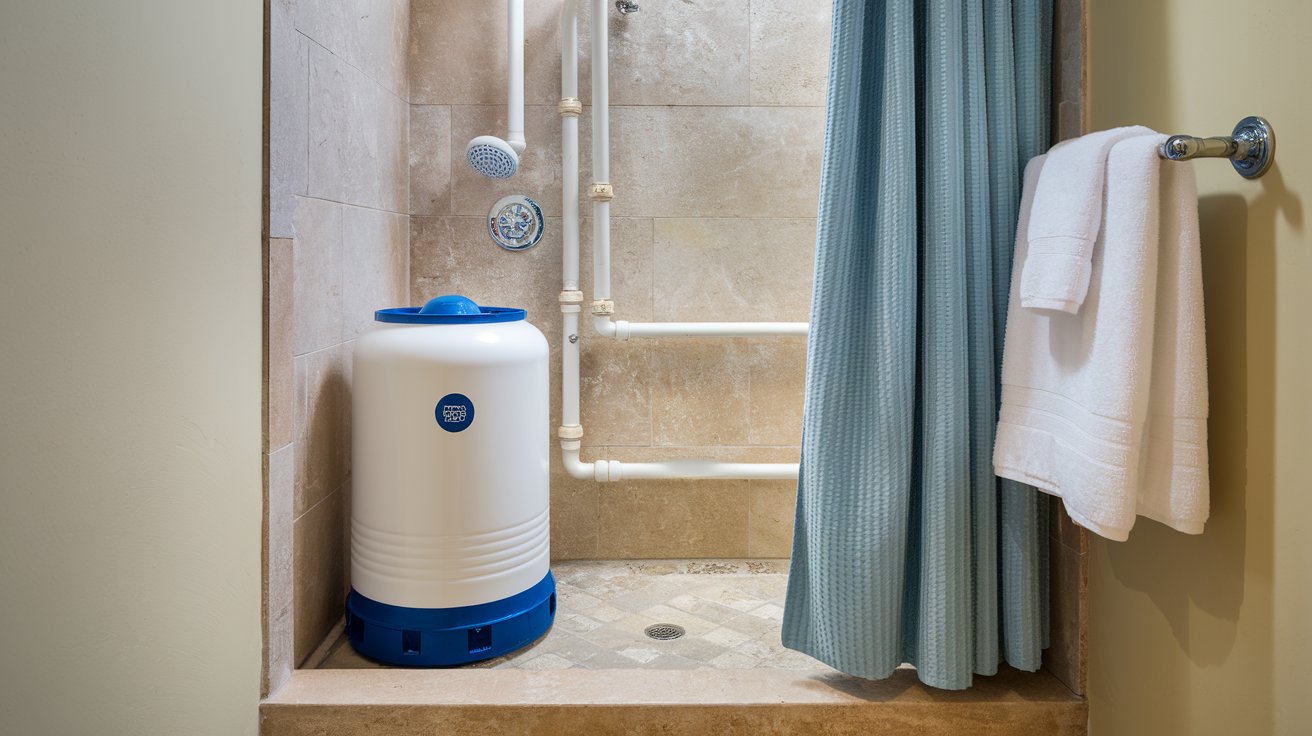
Yes, shower-specific water softeners are available and highly effective for targeted treatment. These systems attach directly to your shower arm or integrate into the shower plumbing line, providing soft water without requiring a whole-house system. They’re ideal for renters or homeowners who want to address hard water issues in specific areas while maintaining lower costs and simpler installation requirements.
Do shower water softeners really work?
Shower water softeners are proven effective at reducing water hardness, removing chlorine, and improving overall water quality. Independent testing shows quality systems can reduce calcium and magnesium levels by 70-90%, significantly improving skin and hair health. Users typically notice improvements in soap lathering, reduced soap scum, and softer skin within 2-3 weeks of installation.
How to soften hard water for shower?
The most effective method is installing a dedicated shower water softener that uses ion exchange technology to remove hardness minerals. These systems attach between your shower arm and showerhead, requiring no special plumbing modifications. Alternative methods include shower filters with softening media, though dedicated softening systems provide superior results for severely hard water conditions.
Is there a shower filter that softens water?
Yes, many shower filters combine water softening with filtration capabilities. Multi-stage systems like the AquaBliss and Sprite models incorporate ion exchange resins alongside activated carbon and KDF media to both soften water and remove chlorine, chemicals, and other contaminants. These combination units offer comprehensive water treatment in a single, convenient package.
How long do shower water softener filters last?
Shower water softener filters typically last 6-12 months, depending on water usage, local water hardness, and filter quality. High-capacity systems may last up to 18 months under light usage, while households with extremely hard water might need replacements every 4-6 months. Monitor water pressure and quality indicators to determine optimal replacement timing for your specific conditions.
What’s the difference between shower filters and water softeners?
Shower filters primarily remove chlorine, chemicals, and sediments but may not effectively reduce water hardness. Water softeners specifically target calcium and magnesium minerals that cause hard water problems. Many modern systems combine both technologies, offering comprehensive treatment that addresses multiple water quality issues simultaneously for optimal showering experience.
| System Type | Best For | Key Benefits |
|---|---|---|
| Basic Inline Filter | Mild hard water, budget-conscious users | Affordable, easy installation, chlorine removal |
| Multi-Stage System | Moderate to severe hard water | Comprehensive treatment, long-lasting performance |
| Premium Ion Exchange | Extremely hard water, sensitive skin | Maximum softening, professional-grade results |