Saltless Water Softener: Best Systems & Reviews 2025
A saltless water softener provides an eco-friendly alternative to traditional salt-based systems, using innovative technology to condition water without adding sodium or requiring ongoing salt refills. These systems offer significant benefits for health-conscious homeowners seeking water softener systems that protect plumbing and appliances while maintaining essential minerals in drinking water.
How Saltless Water Softeners Work
Unlike traditional systems, saltless water softeners use Template Assisted Crystallization (TAC) technology to alter the structure of mineral crystals rather than removing them entirely. This process transforms hard water minerals into harmless microscopic crystals that cannot stick to pipes or appliances. The system requires no electricity, produces zero wastewater, and maintains beneficial minerals like calcium and magnesium in your water supply.
The conditioning process occurs as water passes through specialized media that acts as a nucleation site for crystal formation. These transformed minerals lose their ability to cause scale buildup while retaining their beneficial properties for human consumption. Water softener systems using this technology typically last 6-10 years with minimal maintenance requirements compared to salt-based alternatives.
Saltless vs Salt Water Softener Comparison
Saltless water softener vs salt systems present distinct advantages and limitations for different household needs. Traditional salt-based softeners completely remove hardness minerals through ion exchange, producing truly soft water that creates better soap lather and prevents scale buildup effectively. However, they add sodium to water, require regular salt refills costing $50-150 annually, and produce brine wastewater that may harm septic systems.
In contrast, saltless water softeners condition rather than soften water, maintaining mineral content while preventing scale formation. They operate without electricity, produce no wastewater, and require minimal maintenance beyond periodic media replacement every 3-5 years. The initial investment ranges from $500-2,500 compared to $400-1,800 for salt systems, but operating costs remain significantly lower over time.
Benefits and Advantages
The primary benefit of saltless water softener systems lies in their environmental sustainability and health-conscious approach to water treatment. These systems preserve essential minerals like calcium and magnesium that support cardiovascular health and bone strength, while traditional softeners remove these beneficial compounds entirely. Homeowners with sodium-restricted diets particularly benefit from avoiding the 20-50mg of sodium per liter that salt-based systems typically add.
Maintenance requirements for saltless water softeners remain minimal, eliminating the need for monthly salt bag purchases, brine tank cleaning, or system regeneration cycles. The technology works continuously without power consumption, reducing utility costs and ensuring operation during power outages. Additionally, these systems produce zero wastewater, making them ideal for homes with septic systems or areas facing water conservation restrictions.
Drawbacks and Limitations
Disadvantages of salt-free water softener systems include their inability to create truly soft water, which means soap and detergents may not lather as effectively as with traditional systems. The conditioning process works best with moderately hard water (7-15 GPG), becoming less effective with extremely hard water exceeding 20 GPG. Some users report that while scale buildup reduces significantly, it may not eliminate completely in high-usage areas like shower heads or faucet aerators.
Another limitation involves the higher upfront cost of quality saltless water softener units compared to basic salt-based models. Professional installation often costs $300-800 additional, and replacement media cartridges range from $200-500 every 3-5 years. The technology also lacks the decades of proven performance data that traditional softeners possess, creating uncertainty about long-term effectiveness and durability for some consumers.
Best Saltless Water Softener Systems 2025
The best saltless water softener models for 2025 include the Pelican NaturSoft, offering whole-house conditioning for homes up to 6 bathrooms with a 5-year warranty and no-salt, no-electricity operation. The AquaTech Pro Series provides advanced TAC media with certified NSF components, handling water hardness up to 25 GPG while maintaining flow rates of 9-12 GPM for typical household usage.
Mid-range options include the iSpring ED2000, combining electronic descaling technology with affordable pricing under $200, though it works best as a supplementary system rather than primary treatment. For premium applications, the Filtertech FTC-H2O features medical-grade components and 10-year media life, costing $1,500-2,000 but providing superior performance for large homes with severe hardness issues.
Installation and Maintenance Requirements
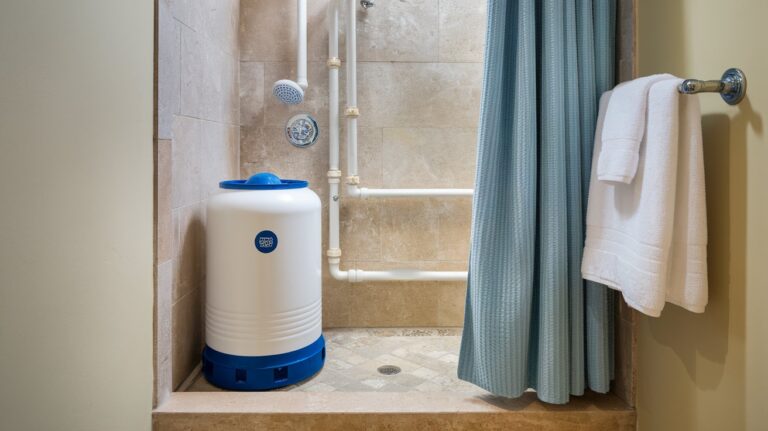
Installing a saltless water softener typically requires basic plumbing skills and 2-4 hours for completion, though professional installation ensures optimal performance and warranty compliance. The system connects directly to the main water line after the pressure tank and before the water heater, requiring 6 inches of clearance on both sides for maintenance access. Most units include compression fittings and detailed instructions, making DIY installation feasible for experienced homeowners.
Maintenance involves annual system inspection, periodic pre-filter replacement every 6-12 months, and media cartridge replacement every 3-5 years depending on water usage and quality. Unlike salt-based systems, saltless water softeners require no backwashing, regeneration cycles, or brine tank cleaning. Total annual maintenance costs typically range from $50-150, significantly less than the $150-300 required for traditional softener operation including salt purchases.
Cost Analysis and Value Comparison
Saltless water softener cost varies significantly based on capacity, features, and brand quality, with entry-level units starting around $300-500 for basic electronic descalers and premium whole-house systems reaching $2,000-3,000 for commercial-grade installations. Installation costs add $200-600 for professional setup, though DIY installation can reduce total project costs by 30-40% for mechanically inclined homeowners.
Long-term value analysis shows saltless water softeners typically cost $0.10-0.25 per 1,000 gallons treated over their lifespan, compared to $0.30-0.60 for salt-based systems including salt, electricity, and wastewater disposal fees. The payback period ranges from 3-7 years depending on local utility rates and water hardness levels, with greater savings in areas with high salt costs or wastewater surcharges.
Performance in Different Water Conditions
Saltless water softeners perform optimally in water with moderate hardness levels between 7-15 GPG (grains per gallon), where the TAC technology effectively transforms mineral crystals without becoming overwhelmed by excessive mineral content. Water temperature affects performance, with optimal results occurring between 40-100°F, making these systems suitable for most residential applications throughout the United States.
In extremely hard water exceeding 20 GPG, saltless water softener effectiveness diminishes, potentially requiring pre-treatment or hybrid systems combining salt and salt-free technologies. Iron content above 0.3 PPM can interfere with the conditioning process, necessitating additional iron filtration before the saltless system. pH levels between 6.5-8.5 provide optimal performance, while acidic water below 6.0 may require pH correction for maximum effectiveness.
Health and Environmental Impact
From a health perspective, saltless water softeners provide significant advantages by preserving beneficial minerals while eliminating scale-forming properties that can damage plumbing and appliances. The World Health Organization recommends maintaining calcium and magnesium in drinking water for cardiovascular health, making salt-free conditioning ideal for health-conscious households. These systems avoid adding sodium, benefiting individuals with hypertension, kidney disease, or sodium-restricted diets.
Environmental benefits include zero wastewater production, eliminating the 25-65 gallons of brine discharge per regeneration cycle that traditional softeners create. Saltless water softener systems also reduce plastic waste from salt bag purchases and minimize transportation-related carbon emissions from regular salt deliveries. The technology’s low energy requirements and long component lifespan further reduce environmental impact compared to conventional softening methods.
Related video about saltless water softener
This video complements the article information with a practical visual demonstration.
Your questions answered
Are saltless water softeners any good?
Saltless water softeners are effective for preventing scale buildup while maintaining beneficial minerals in water. They work best with moderate hardness levels (7-15 GPG) and provide excellent value for environmentally conscious homeowners. However, they don’t create truly soft water like traditional salt-based systems, so soap lathering may be reduced compared to conventional softeners.
Is saltless water softener better than salt?
Saltless water softeners are better for health and environmental concerns, preserving beneficial minerals while requiring minimal maintenance and producing no wastewater. Salt-based systems are better for creating truly soft water and maximum scale prevention. The choice depends on your priorities: health/environment (saltless) versus maximum softening effectiveness (salt-based).
Can you get a water softener without salt?
Yes, you can get water softener systems without salt using Template Assisted Crystallization (TAC) technology, electronic descaling, or magnetic conditioning methods. These salt-free alternatives condition water by altering mineral crystal structure rather than removing minerals entirely, providing scale prevention without sodium addition or wastewater production.
What is the best saltless water softener?
The best saltless water softener depends on your specific needs, but top-rated options include Pelican NaturSoft for whole-house applications, AquaTech Pro Series for high-capacity needs, and iSpring ED2000 for budget-conscious buyers. Consider factors like water hardness level, household size, budget, and maintenance preferences when selecting the optimal system.
How long do saltless water softeners last?
Saltless water softeners typically last 10-15 years with proper maintenance, while the conditioning media requires replacement every 3-5 years costing $200-500. This lifespan compares favorably to salt-based systems that last 8-12 years but require ongoing salt purchases and more frequent component replacements due to brine exposure.
Do saltless water softeners work with well water?
Saltless water softeners can work effectively with well water if hardness levels remain moderate (7-15 GPG) and iron content stays below 0.3 PPM. Well water with high iron, manganese, or hydrogen sulfide may require pre-treatment filtration before the saltless system to ensure optimal performance and prevent media fouling.
| Key Aspect | Saltless Water Softener | Traditional Salt System |
|---|---|---|
| Initial Cost | $500-2,500 | $400-1,800 |
| Annual Operating Cost | $50-150 | $150-300 |
| Health Impact | Preserves beneficial minerals | Removes minerals, adds sodium |
| Environmental Impact | Zero wastewater, minimal energy | 25-65 gallons wastewater per cycle |
| Maintenance Requirements | Media replacement every 3-5 years | Monthly salt refills, tank cleaning |