Best Portable Water Softeners 2025: Complete Buying Guide
A portable water softener transforms hard water into soft, mineral-free water wherever you need it. These compact systems eliminate calcium and magnesium deposits that damage appliances, leave soap scum, and irritate skin. Whether you’re living in an apartment, traveling in an RV, or need soft water for specific applications, the right portable system can provide immediate relief from hard water problems without permanent installation requirements.
How Portable Water Softeners Work
Portable water softeners use ion exchange technology to remove hard water minerals like calcium and magnesium. The system contains resin beads charged with sodium ions that attract and trap hardness minerals as water flows through. This process transforms hard water into soft water instantly, preventing scale buildup and improving soap effectiveness. Unlike traditional whole-house systems, portable units require no permanent plumbing modifications.
The regeneration process involves flushing the resin beads with salt water to remove trapped minerals and recharge the system. Most portable water softener units feature automatic regeneration cycles based on water usage or timer settings. This continuous cycle ensures consistent soft water output without manual intervention, making these systems ideal for temporary or mobile applications.
Best Portable Water Softeners for Different Applications
Choosing the right portable water softener depends on your specific needs and water usage patterns. Different applications require varying capacities, flow rates, and connection types to deliver optimal performance.
Portable Water Softener for RV
RV water softeners must handle 2-4 people’s daily water needs while fitting in limited storage space. The best portable water softener for RV use features 16,000-32,000 grain capacity with standard garden hose connections. These units typically measure 8-12 inches in diameter and weigh 15-25 pounds when loaded with salt. Popular models include built-in bypass valves and quick-connect fittings for easy setup at campgrounds with varying water hardness levels.
Portable Water Softener for Apartment
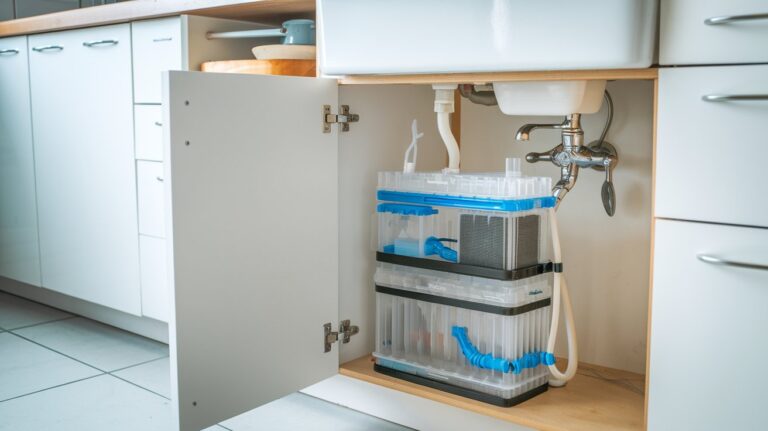
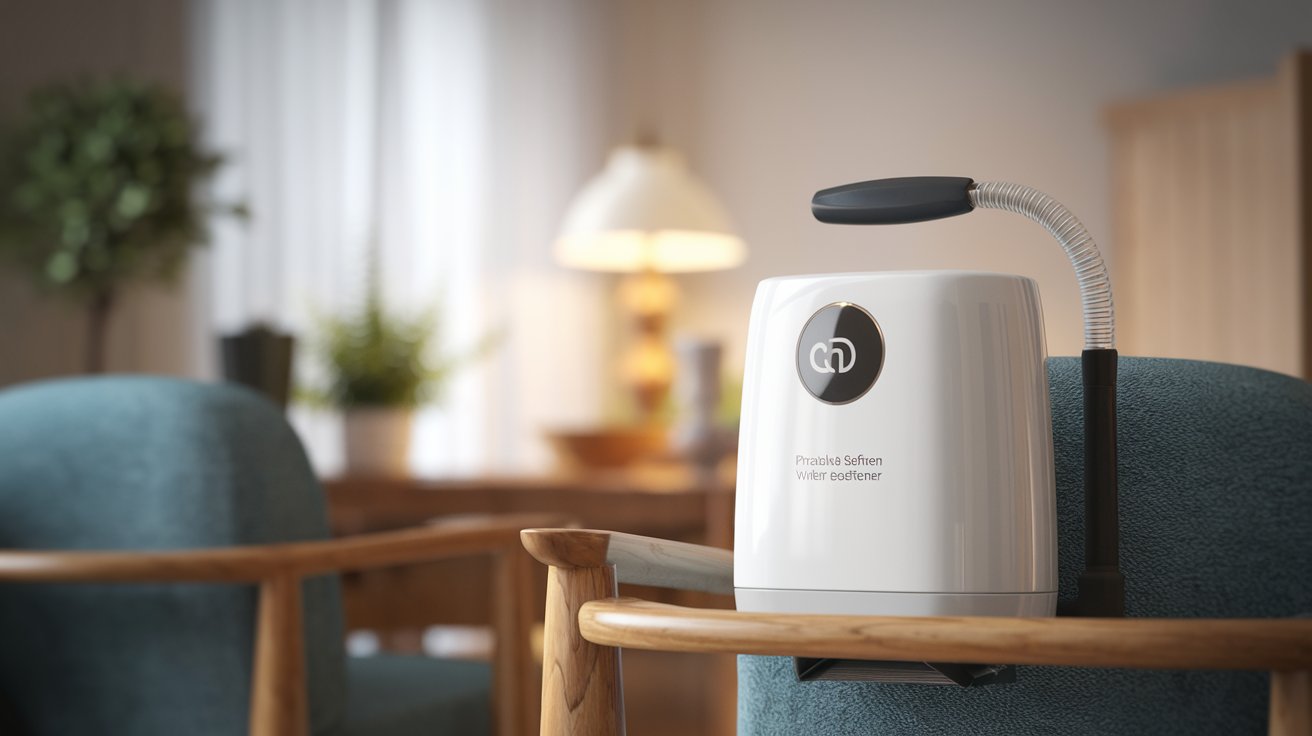
Apartment dwellers need compact systems that don’t require permanent installation or landlord approval. A portable water softener for apartment use connects directly to kitchen faucets or washing machines using standard threaded connections. These units typically process 5,000-10,000 grains of hardness and fit under sinks or in utility closets. Many feature countertop designs that complement modern kitchen aesthetics while providing soft water for drinking, cooking, and dishwashing.
Specialized Portable Water Softener Applications
Beyond general household use, portable water softeners serve specific applications requiring soft water for optimal performance and equipment protection.
Portable Water Softener for Pressure Washer
Pressure washing with hard water leaves mineral spots on vehicles, buildings, and equipment. A portable water softener for pressure washer eliminates these spots while extending pump life by preventing mineral buildup in internal components. These systems connect inline between the water source and pressure washer, typically handling 3-5 GPM flow rates. Professional detailers and contractors rely on these units to deliver spot-free cleaning results and reduce equipment maintenance costs.
Portable Water Softener for Car Wash
Car washing requires spot-free rinse water to avoid mineral deposits on paint and glass surfaces. Portable water softener for car wash applications typically feature quick-connect garden hose fittings and compact designs for easy transport. These units process 1,000-5,000 grains of hardness, sufficient for washing 5-10 vehicles before regeneration. Mobile detailing businesses and car enthusiasts use these systems to achieve professional-quality results without permanent water treatment installations.
Portable Water Softener for Shower Applications
Hard water creates soap scum, reduces lather quality, and can irritate sensitive skin during showering. A portable water softener for shower connects directly to existing shower heads or installs inline with flexible shower hoses. These compact units typically measure 4-6 inches and handle 1-2 GPM flow rates while removing 90-95% of hardness minerals. The result is noticeably softer water that improves soap performance and reduces skin and hair dryness.
Installation requires no tools or permanent modifications, making these systems perfect for renters or those seeking targeted soft water treatment. Many models feature replaceable cartridges that last 2-6 months depending on water hardness levels and usage frequency. The immediate improvement in shower water quality makes this one of the most popular portable water softener applications for individual users.
Do Portable Water Softeners Actually Work?
Yes, portable water softeners work effectively using the same ion exchange technology as full-size systems. Independent testing shows these units remove 85-98% of calcium and magnesium minerals when properly sized for the application. The key difference lies in capacity – portable units treat smaller volumes before requiring regeneration compared to whole-house systems. However, for targeted applications or temporary installations, they provide the same water quality benefits as permanent systems.
The effectiveness depends on proper sizing, regular maintenance, and appropriate regeneration frequency. Users typically notice immediate improvements in soap lathering, reduced scale buildup, and softer feeling water. While portable water softener systems may not handle whole-house needs as efficiently as permanent installations, they excel in specific applications where mobility and temporary installation are priorities.
Cheap Ways to Make Hard Water Soft
Budget-conscious consumers often ask about cheap ways to make hard water soft without investing in expensive equipment. Temporary solutions include using liquid fabric softener in washing machines, adding white vinegar to rinse cycles, and installing basic sediment filters. However, these methods only provide partial hardness reduction and don’t address the root cause of mineral content.
The most cost-effective long-term solution remains a properly sized portable water softener system. Entry-level units start around $150-200 and provide years of reliable service when maintained properly. Compared to constantly purchasing bottled water, specialty soaps, and replacing appliances damaged by hard water, a portable system quickly pays for itself while delivering consistent soft water quality.
Health Considerations: Hard vs Soft Water
Many consumers wonder if it’s healthier to drink hard or soft water when considering water treatment options. Hard water contains beneficial minerals like calcium and magnesium that contribute to daily mineral intake. However, the amounts are typically small compared to dietary sources, and most people get adequate minerals from food. Soft water removes these minerals but doesn’t pose health risks for most individuals when consumed as part of a balanced diet.
The World Health Organization notes that both hard and soft water can be part of a healthy lifestyle. The choice often depends on personal preference, taste, and practical considerations like appliance protection and skin comfort. For those concerned about mineral intake, consuming a varied diet rich in fruits, vegetables, and dairy products provides far more calcium and magnesium than portable water softener treated water removes.
Best Portable Water Filtration Systems vs Softeners
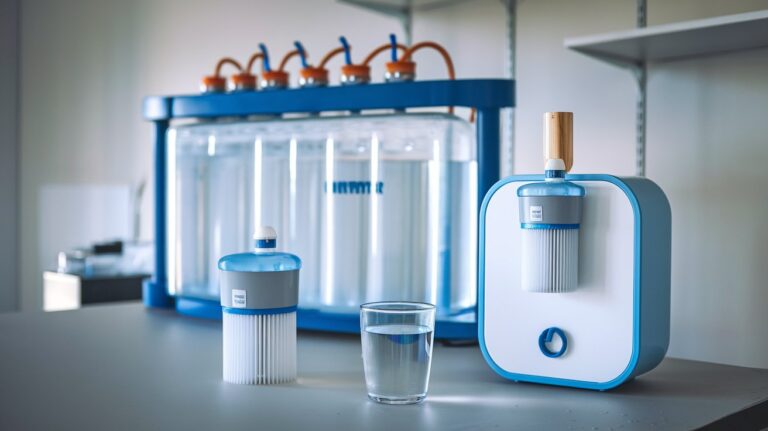
Understanding the difference between filtration and softening helps consumers choose the right solution. The best portable water filtration system removes contaminants like chlorine, sediment, and bacteria but doesn’t address hardness minerals. Water filters improve taste and odor while providing cleaner drinking water, but they won’t prevent scale buildup or improve soap performance like water softeners do.
Some hybrid systems combine filtration and softening technologies to address multiple water quality issues simultaneously. These units typically cost more but provide comprehensive treatment for users dealing with both contamination and hardness problems. When choosing between filtration and softening, consider your primary water quality concerns – if scale buildup and soap performance are priorities, a portable water softener is the better choice.
Maintenance and Operating Costs
Proper maintenance ensures optimal performance and extends portable water softener lifespan. Regular salt additions, periodic resin cleaning, and annual system inspections are essential maintenance tasks. Salt costs typically range from $10-25 monthly depending on water hardness and usage volume. Replacement parts like O-rings and control valves may need periodic replacement but generally last 3-5 years with proper care.
Operating costs remain significantly lower than alternatives like bottled water or frequent appliance replacement due to hard water damage. Most users find that the convenience and effectiveness of a portable water softener justify the minimal maintenance requirements. Automated regeneration cycles reduce manual intervention while ensuring consistent soft water output for years of reliable service.
Related video about portable water softener
This video complements the article information with a practical visual demonstration.
FAQ – Common Questions
Do portable water softeners work as well as whole-house systems?
Portable water softeners use the same ion exchange technology as whole-house systems and achieve 85-98% hardness removal when properly sized. The main difference is capacity – portable units treat smaller volumes and require more frequent regeneration. For targeted applications like RVs, apartments, or specific equipment protection, they provide equivalent water quality results.
Is there a cheap way to make hard water soft without buying equipment?
Temporary solutions include adding white vinegar to laundry rinse cycles, using liquid fabric softener, or installing basic sediment filters. However, these methods provide only partial hardness reduction. The most cost-effective long-term solution is a portable water softener starting around $150, which quickly pays for itself by preventing appliance damage and improving soap effectiveness.
What is the best portable water filtration system for drinking water?
The best portable filtration systems use multi-stage carbon and ceramic filters to remove chlorine, sediment, bacteria, and improve taste. Popular options include gravity-fed systems with 0.1-micron filters that process 1-4 gallons per hour. However, filtration systems don’t address water hardness – you need a water softener for scale prevention and soap performance improvement.
Is it healthier to drink hard or soft water?
Both hard and soft water can be healthy when consumed as part of a balanced diet. Hard water contains beneficial minerals like calcium and magnesium, but in small amounts compared to food sources. Soft water removes these minerals but poses no health risks for most people. The World Health Organization confirms both types are acceptable for drinking when properly treated.
How often do portable water softeners need salt refills?
Salt refill frequency depends on water hardness levels and usage volume. Most portable units require salt every 2-8 weeks with typical residential use. RV systems may need weekly refills during active travel periods, while apartment units serving one person might last 6-10 weeks. Monitor salt levels regularly and regenerate when the salt level drops below the water line.
Can I use a portable water softener for my entire apartment?
Portable water softeners work best for specific applications rather than whole-apartment treatment. They can effectively soften water for kitchen use, laundry, or shower applications when connected to individual fixtures. For comprehensive apartment-wide soft water, consider multiple units or a compact whole-house system if permitted by your lease agreement.
| Application Type | Recommended Capacity | Key Benefits |
|---|---|---|
| RV Travel | 16,000-32,000 grains | Protects plumbing, improves shower quality |
| Apartment Living | 5,000-10,000 grains | No permanent installation required |
| Pressure Washing | 10,000-20,000 grains | Spot-free cleaning results |
| Car Washing | 1,000-5,000 grains | Prevents water spots on vehicles |
| Shower Use | 2,000-4,000 grains | Softer skin and hair |