Best Water Filter for Camping: 2025 Guide to Safe Drinking
Finding the right water filter for camping is crucial for safe outdoor adventures. With contaminated water sources posing serious health risks, choosing an effective portable water filter can mean the difference between an enjoyable trip and a medical emergency. This comprehensive guide reviews the top water filtration systems for 2025.
Why You Need a Water Filter for Camping
Camping water sources in the United States contain numerous contaminants that can cause severe illness. According to the EPA’s 2024 water quality report, over 65% of natural water sources contain harmful bacteria like E. coli and Giardia. Without proper filtration, campers risk waterborne diseases that can hospitalize them for weeks.
The best water filter system removes 99.9% of bacteria, parasites, and protozoa while maintaining portability for backpacking. Modern camping filters have evolved significantly, offering lightweight solutions that don’t compromise on safety or convenience for outdoor enthusiasts.
Top Water Filter Systems for Camping 2025
Selecting the right water purification system depends on your specific camping needs, group size, and water source quality. The market offers various technologies including squeeze filters, pump filters, gravity-fed systems, and UV purifiers, each with distinct advantages for different camping scenarios.
Sawyer Squeeze Water Filter Systems
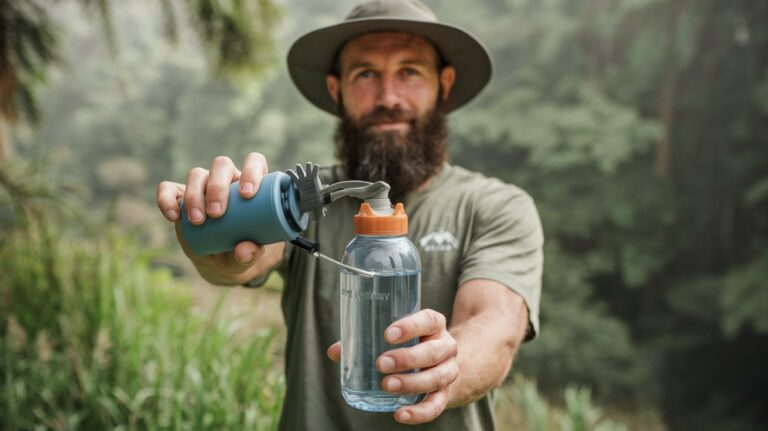
The Sawyer Squeeze remains the gold standard for lightweight camping filters in 2025. Weighing only 3 ounces, it filters up to 100,000 gallons and removes 99.99999% of bacteria and 99.9999% of protozoa. The filter connects directly to standard water bottles or included squeeze pouches, making it versatile for solo camping and backpacking adventures throughout the United States.
Katadyn BeFree Water Filter Bottle
The Katadyn BeFree offers exceptional flow rate at 2 liters per minute, perfect for fast water purification during active camping. Its collapsible design saves pack space while the wide opening simplifies filling from shallow water sources. The 0.1-micron filter effectively removes bacteria and parasites, though it requires more frequent cleaning than competitors.
Chemical Water Treatment Methods
Chemical treatments provide reliable backup options when mechanical filters fail or for treating large water quantities. Water purification tablets like Aquamira offer lightweight, fool-proof disinfection that kills viruses, bacteria, and protozoa within 30 minutes of contact time.
Aquamira Water Treatment Drops
Aquamira’s two-part chlorine dioxide system treats up to 30 gallons per package, making it ideal for group camping scenarios. The treatment neutralizes Cryptosporidium and Giardia while improving water taste compared to iodine-based alternatives. Mix times require 5 minutes activation plus 15 minutes treatment, demanding planning ahead for safe drinking water.
Iodine and Chlorine Tablet Options
Traditional purification tablets remain popular for emergency preparedness and ultralight backpacking. Iodine tablets neutralize most pathogens within 30 minutes but leave an unpleasant taste and aren’t safe for pregnant women or those with thyroid conditions. Chlorine tablets offer broader spectrum protection with less taste impact.
UV Water Purification Technology
UV purifiers like the SteriPEN Ultra provide chemical-free water treatment using ultraviolet light to destroy DNA in harmful microorganisms. These devices treat one liter in 90 seconds and work effectively against viruses that filters cannot remove. However, they require clear water and battery power, limiting use in remote camping situations.
The 2025 models feature improved LED technology extending battery life to 8,000 treatments per charge. UV purification systems work best combined with pre-filtering for cloudy water sources common in United States wilderness areas during spring runoff seasons.
Gravity-Fed Water Filter Systems
Gravity filters excel for group camping and base camp scenarios where large water volumes need processing with minimal effort. Systems like the Platypus GravityWorks filter 4 liters in 2.5 minutes using gravity flow, freeing campers for other tasks while water processes automatically.
These systems typically weigh 10-16 ounces but eliminate pumping fatigue during extended camping trips. The best gravity filter options include clean and dirty reservoirs, preventing cross-contamination while maintaining easy field maintenance throughout multi-day adventures.
Pump-Style Water Filters for Camping
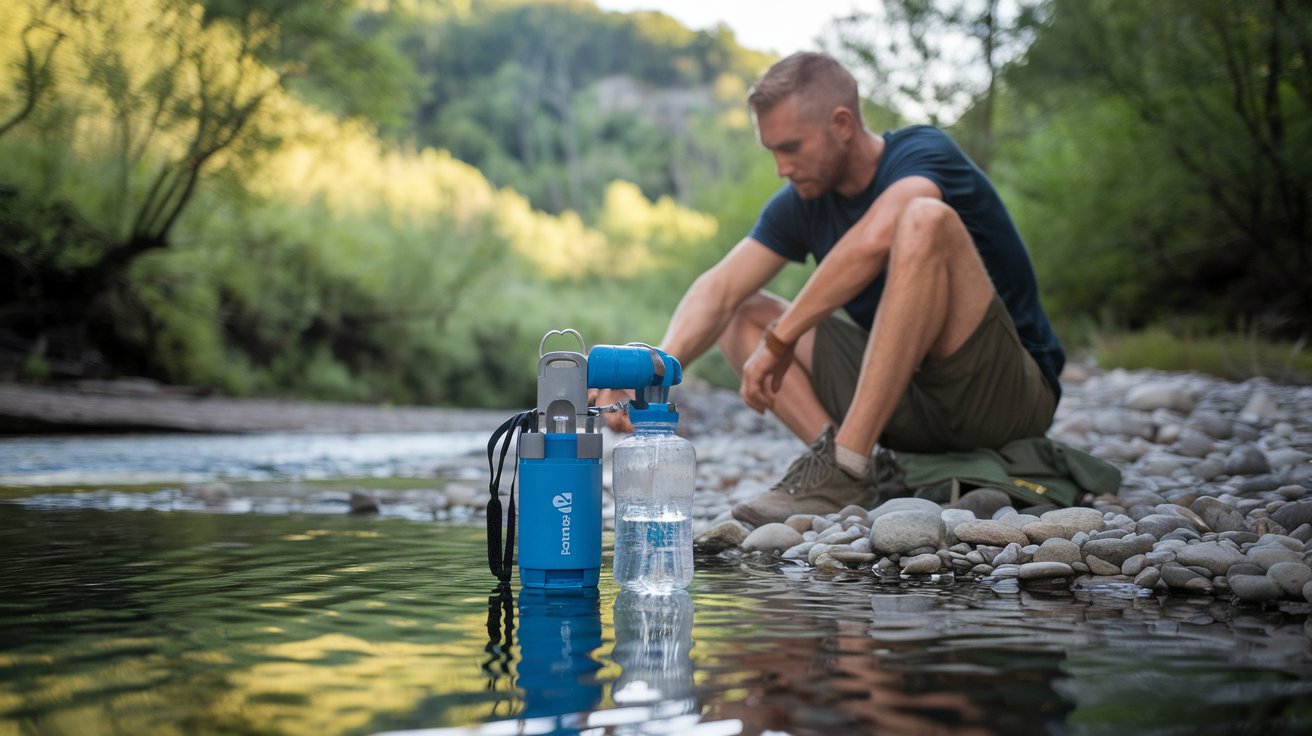
Hand pump filters provide reliable performance in challenging conditions where squeeze filters might struggle. The MSR Guardian pump delivers military-grade filtration removing viruses, bacteria, and protozoa while self-cleaning with each stroke to prevent clogging in murky water conditions.
Pump filters work effectively in shallow water sources and can fill large containers quickly. Though heavier than alternatives, they offer consistent flow rates regardless of user strength and don’t require separate collection containers for filtered water storage.
Water Filter Maintenance in the Field
Proper maintenance extends filter life and ensures continued protection during camping trips. Filter cleaning involves backflushing with clean water or using manufacturer-provided cleaning tools every few days depending on water quality and usage volume.
Freeze damage poses the biggest threat to camping water filters during cold weather adventures. Store filters inside sleeping bags overnight and carry backup purification methods when temperatures drop below freezing. Replace filter cartridges according to manufacturer specifications – typically every 1,000-3,000 gallons depending on the water filter system chosen.
Choosing the Right Water Filter System
The best water filter for camping balances weight, capacity, ease of use, and reliability for your specific outdoor activities. Solo backpackers benefit from lightweight squeeze filters, while car campers can utilize larger capacity pump or gravity systems without weight penalties.
Consider water source quality in your camping areas – clear mountain streams require less filtration than muddy lake water. Budget $30-150 for quality camping filters, with premium options offering faster flow rates and longer lifespan. Always carry backup purification methods regardless of your primary water purification system choice.
Related video about water filter for camping
This video complements the article information with a practical visual demonstration.
FAQ – Common Questions
What is the best water filter system for camping?
The Sawyer Squeeze offers the best balance of weight, reliability, and effectiveness for most campers. Weighing only 3 ounces, it filters 100,000 gallons and removes 99.99999% of bacteria and 99.9999% of protozoa. For group camping, gravity-fed systems like Platypus GravityWorks provide higher capacity with hands-free operation.
Can you really drink any water with LifeStraw?
LifeStraw filters remove 99.9999% of waterborne bacteria and 99.9% of waterborne parasites but cannot filter viruses, chemicals, or heavy metals. It works well for natural freshwater sources in the United States but isn’t suitable for contaminated urban water or overseas travel where viral contamination is common.
Do I need a water filter for camping?
Yes, water filters are essential for safe camping. The EPA reports that over 65% of natural water sources contain harmful bacteria like E. coli and Giardia. Even crystal-clear mountain streams can harbor invisible pathogens that cause severe illness. A quality water filter provides insurance against waterborne diseases during outdoor adventures.
What is the best way to purify water while camping?
Combination approaches work best – use a physical filter to remove bacteria and parasites, then add UV treatment or chemical purification for viruses. For most United States camping, a quality 0.1-micron filter like Sawyer Squeeze provides adequate protection. Always carry backup purification tablets for emergency situations or filter failure.
How often should I clean my camping water filter?
Clean your camping water filter every 2-3 days of use or when flow rate decreases noticeably. Backflush with clean filtered water or use manufacturer cleaning tools. In muddy conditions, daily cleaning prevents clogging. Replace filter cartridges every 1,000-3,000 gallons depending on the system and usage conditions.
Can camping water filters remove viruses?
Most portable camping filters cannot remove viruses due to their tiny size (0.004-0.1 microns). Standard 0.1-micron filters only remove bacteria and parasites. For virus protection, use UV purifiers like SteriPEN, boil water for one minute, or add chemical treatments like Aquamira after filtering for comprehensive protection.
| Filter Type | Best Use Case | Key Benefit |
|---|---|---|
| Squeeze Filters | Solo backpacking | Ultralight and reliable |
| Gravity Systems | Group camping | High capacity, hands-free |
| UV Purifiers | Clear water sources | Kills viruses and bacteria |
| Chemical Treatment | Emergency backup | Lightweight, long shelf life |