Best Water Filter for Hiking 2025: Complete Guide
Finding the right water filter for hiking is crucial for safe outdoor adventures in 2025. With over 12 million Americans hiking annually, waterborne illnesses remain a significant concern, affecting approximately 7 million people yearly. This comprehensive guide covers the best water filtration systems available, helping you choose the perfect filter for your hiking needs while ensuring clean, safe drinking water on every trail.
Best Water Filter Systems for Hiking in 2025
The market for hiking water filters has evolved significantly in 2025, with manufacturers focusing on lightweight, durable designs that effectively remove bacteria, protozoa, and sediment. Modern water filtration systems now weigh between 2-16 ounces and can filter up to 100,000 gallons during their lifespan. The most popular filter types include squeeze filters, gravity systems, and pump filters, each designed for specific hiking scenarios and group sizes.
Current testing standards require water filters to remove 99.9999% of bacteria and 99.9% of protozoa to meet EPA guidelines. The latest models feature improved flow rates of 1-2 liters per minute, making them ideal for hikers who need quick water access during long-distance treks. Price ranges vary from $25 for basic squeeze filters to $200 for advanced gravity systems with multiple filtration stages.
Sawyer Squeeze and Mini Water Filters
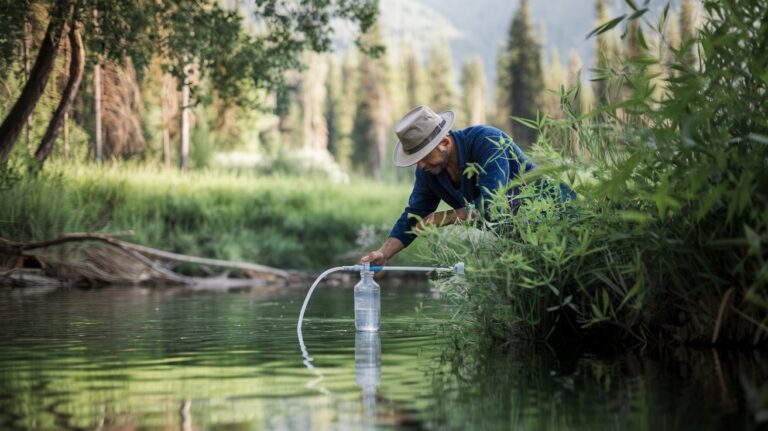
The Sawyer Squeeze remains the gold standard among hiking water filters in 2025, weighing only 3 ounces while filtering up to 100,000 gallons. This system uses hollow fiber membrane technology to remove 99.99999% of bacteria and 99.9999% of protozoa without chemicals or batteries. Hikers appreciate its versatility, allowing direct drinking from water sources or filling hydration bladders. The filter threads onto standard water bottles and features a flow rate of 1.7 liters per minute when properly maintained.
Katadyn BeFree Water Filter Collection
Katadyn’s BeFree series revolutionized portable water filtration with its innovative collapsible bottle design and fast flow rate of up to 2 liters per minute. The 2025 models include sizes from 0.6L to 3L, making them perfect for solo hikers to small groups. The hollow fiber filter removes bacteria and protozoa while the soft flask design saves significant pack space. The system requires no backflushing and can be cleaned by simple shaking and swishing, making maintenance effortless during multi-day treks.
How Water Filters Work for Hiking Applications
Water filters for hiking use various technologies to remove contaminants from natural water sources. The most common method involves hollow fiber membranes with microscopic pores measuring 0.1 microns, effectively blocking bacteria and protozoa while allowing water molecules to pass through. Advanced filtration systems may combine multiple stages, including pre-filters for sediment, activated carbon for taste improvement, and ion exchange resins for chemical removal.
Understanding filter mechanics helps hikers choose appropriate systems for their needs. Squeeze filters work through manual pressure, pushing water through membranes at rates up to 2 liters per minute. Gravity systems use elevation differences to create natural flow, ideal for filtering large volumes without manual effort. Pump filters provide consistent pressure regardless of water source height, making them reliable for challenging terrain where gravity systems may not function effectively.
Chemical Water Treatment Options for Hikers
Chemical treatment remains a popular backup method among experienced hikers, with options including chlorine dioxide tablets, UV sterilizers, and iodine solutions. Aquamira Water Treatment, using chlorine dioxide technology, eliminates 99.9% of bacteria, viruses, and Cryptosporidium within 15-30 minutes. This system weighs only 3 ounces and treats up to 30 gallons per kit, making it an excellent lightweight option for long-distance hikers.
Modern chemical treatments address taste concerns that plagued earlier products. The 2025 formulations neutralize chlorine taste while maintaining effectiveness against waterborne pathogens. UV purification systems like the SteriPEN Ultra have gained popularity, killing 99.9% of bacteria, viruses, and protozoa in 90 seconds using UV-C light technology. These devices require batteries but offer rapid treatment without wait times or chemical aftertastes that some hikers find objectionable.
Chlorine Dioxide Tablet Systems
Chlorine dioxide tablets represent the most reliable chemical water purification method for hiking, with each tablet treating one liter of water in 15-30 minutes depending on water temperature and turbidity. These tablets eliminate bacteria, viruses, protozoa, and Cryptosporidium that standard filters might miss. The 2025 formulations include flavor neutralizing compounds that eliminate the chemical taste associated with earlier versions, making treated water more palatable during extended outdoor adventures.
UV Light Purification Devices
UV purification technology has advanced significantly in 2025, with devices like the SteriPEN delivering 40mJ/cm² of UV-C energy to destroy DNA in harmful microorganisms. These lightweight systems weigh 4-8 ounces and treat 8,000-50,000 liters per battery charge. Hikers appreciate the 90-second treatment time and lack of chemical taste, though UV devices require clear water and protection from impact damage during rugged outdoor use.
Gravity-Fed Water Filtration Systems
Gravity water filters excel in group hiking scenarios where large volumes need filtering without manual effort. The 2025 models feature improved flow rates of 1.5-2 liters per minute and can filter 2-10 liters simultaneously. Popular systems like the Platypus GravityWorks and Sawyer Complete feature dual-bag designs that separate clean and dirty water, preventing cross-contamination that could compromise filter effectiveness during multi-day expeditions.
These systems work by elevating the dirty water reservoir 6 feet above the clean water collection point, using gravity to force water through the filtration membrane. Modern designs include quick-disconnect fittings, making setup and breakdown faster for hikers managing camp logistics. The latest models weigh 10-16 ounces and pack into compact stuff sacks, though they require more space than individual squeeze filters in backpack configurations.
Maintenance and Care of Hiking Water Filters
Proper maintenance extends water filter lifespan and ensures consistent performance throughout hiking seasons. Most hollow fiber filters require backflushing every 50-100 liters to remove accumulated sediment and maintain flow rates. The process involves reversing water flow through the filter using a cleaning syringe, typically taking 30-60 seconds. Freeze damage represents the primary threat to filter integrity, as ice formation can crack hollow fibers and create pathways for contaminants to bypass filtration.
Hikers should clean filters with filtered water only, avoiding tap water that may contain chlorine compounds damaging to filter materials. Storage requires complete drying to prevent bacterial growth and mold formation during off-season periods. The 2025 filter models include improved materials resistant to UV degradation and chemical damage, extending operational life to 5-7 years with proper care and maintenance protocols followed consistently.
Backflushing Techniques and Frequency
Effective backflushing maintains optimal flow rates and extends filter lifespan by removing sediment buildup from hollow fiber membranes. The process involves connecting a cleaning syringe to the clean water outlet and forcing filtered water backward through the system, ejecting trapped particles through the dirty water inlet. Most manufacturers recommend backflushing every 50-100 liters or when flow rate decreases noticeably, typically indicated by increased effort required during squeezing operations.
Winter Storage and Freeze Prevention
Preventing freeze damage requires complete water removal from filter components before temperatures drop below 32°F. Hikers should shake out residual water, blow air through the system, and store filters in warm, dry locations during winter months. Some manufacturers recommend filling filters with propylene glycol solution for additional freeze protection, though this requires thorough flushing before use. Frozen filters often develop hairline cracks that compromise filtration effectiveness, making prevention critical for equipment longevity.
Water Sources and Contamination Risks While Hiking
Natural water sources present varying contamination risks that influence water filter selection for specific hiking environments. Mountain streams above tree line typically contain fewer pathogens than lowland sources near agricultural areas or human settlements. However, even pristine alpine sources can harbor Giardia and Cryptosporidium from wildlife, making filtration essential for safe drinking water. The 2025 CDC data indicates waterborne illness rates of 3-5% among unprotected outdoor recreationalists, emphasizing filtration importance.
Source selection significantly impacts filter performance and maintenance requirements. Clear, fast-moving water requires less pre-filtration than turbid sources containing sediment and organic matter. Hikers should avoid stagnant pools, water downstream from livestock areas, and sources with visible algae blooms that may clog filters rapidly. Pre-filtering through bandanas or coffee filters extends primary filter life and maintains flow rates during extended wilderness expeditions where replacement filters are unavailable.
Comparing Filter Types: Pros and Cons for Hikers
Each water filtration system offers distinct advantages depending on hiking style, group size, and environmental conditions. Squeeze filters provide the lightest weight option at 2-4 ounces but require manual effort for each use, potentially causing hand fatigue during high-volume filtering sessions. Gravity systems excel for group use and camp filtering but add 10-16 ounces to pack weight and require suitable terrain for proper setup and operation.
Pump filters deliver consistent performance regardless of elevation differences but weigh 12-20 ounces and include mechanical components susceptible to field damage. Chemical treatments offer the lightest backup option but require wait times and may not address taste or odor issues in challenging water sources. UV purifiers provide rapid treatment without consumables but depend on battery power and clear water conditions for effectiveness, limiting utility in sediment-heavy water sources common during certain seasons.
Related video about water filter for hiking
This video complements the article information with a practical visual demonstration.
Questions & Answers
What is the best water filtration system for hiking?
The Sawyer Squeeze and Katadyn BeFree are top choices for 2025, offering reliable hollow fiber filtration at 2-3 ounces weight. The Sawyer Squeeze filters 100,000 gallons and costs around $35, while the BeFree offers faster flow rates at 2 liters per minute. Choice depends on your priorities: maximum durability (Sawyer) or fastest flow rate (Katadyn). Both remove 99.99999% of bacteria and 99.9999% of protozoa meeting EPA standards.
Can you really drink any water with LifeStraw?
LifeStraw filters remove bacteria and protozoa but not viruses, chemicals, or heavy metals, limiting its effectiveness in all water sources. The 2025 models filter up to 4,000 liters and weigh 2 ounces, making them suitable for basic filtration needs. However, water from sources near agriculture, industry, or human settlements may require more comprehensive treatment. LifeStraw works best for clear, natural water sources away from contamination sources.
How do hikers purify water?
Hikers use multiple purification methods depending on conditions: hollow fiber filters (most popular), chemical treatments like chlorine dioxide tablets, UV sterilizers, and boiling. The 2025 standard combines filtration for physical contaminants with chemical or UV treatment for viruses. Most experienced hikers carry primary filters weighing 2-4 ounces plus backup chemical treatment weighing 1-3 ounces, providing comprehensive protection against waterborne pathogens.
Do water filters work hiking?
Modern hiking water filters are highly effective when properly maintained, removing 99.99999% of bacteria and 99.9999% of protozoa according to EPA testing standards. The 2025 models feature improved hollow fiber technology lasting 5-7 years with proper care. However, most portable filters don’t remove viruses, requiring additional treatment in areas with human contamination. Success depends on choosing appropriate filters for your water sources and following maintenance protocols.
What water filter removes the most contaminants for hiking?
Multi-stage systems combining hollow fiber filtration with activated carbon and ion exchange provide the most comprehensive contaminant removal. The Katadyn Pocket and MSR Guardian remove bacteria, protozoa, viruses, and many chemicals, though they weigh 20+ ounces. For lightweight options, combining a standard filter with chemical treatment provides virus protection while maintaining packability under 6 ounces total weight.
How often should I replace my hiking water filter?
Hollow fiber filters last 5-7 years or 100,000+ gallons with proper maintenance, while carbon components need replacement every 100-300 gallons depending on water quality. Signs requiring replacement include cracked housings, persistent odors after cleaning, or inability to restore flow rates through backflushing. Most hikers replace filters based on time rather than volume, typically every 3-5 years for regular users, as storage and handling impact lifespan more than actual filtration volume.
| Filter Type | Weight Range | Best Use Case |
|---|---|---|
| Squeeze Filters | 2-4 ounces | Solo hiking, ultralight backpacking |
| Gravity Systems | 10-16 ounces | Group camping, base camp filtering |
| Chemical Treatment | 1-3 ounces | Emergency backup, virus protection |
| UV Purifiers | 4-8 ounces | Clear water sources, fast treatment |