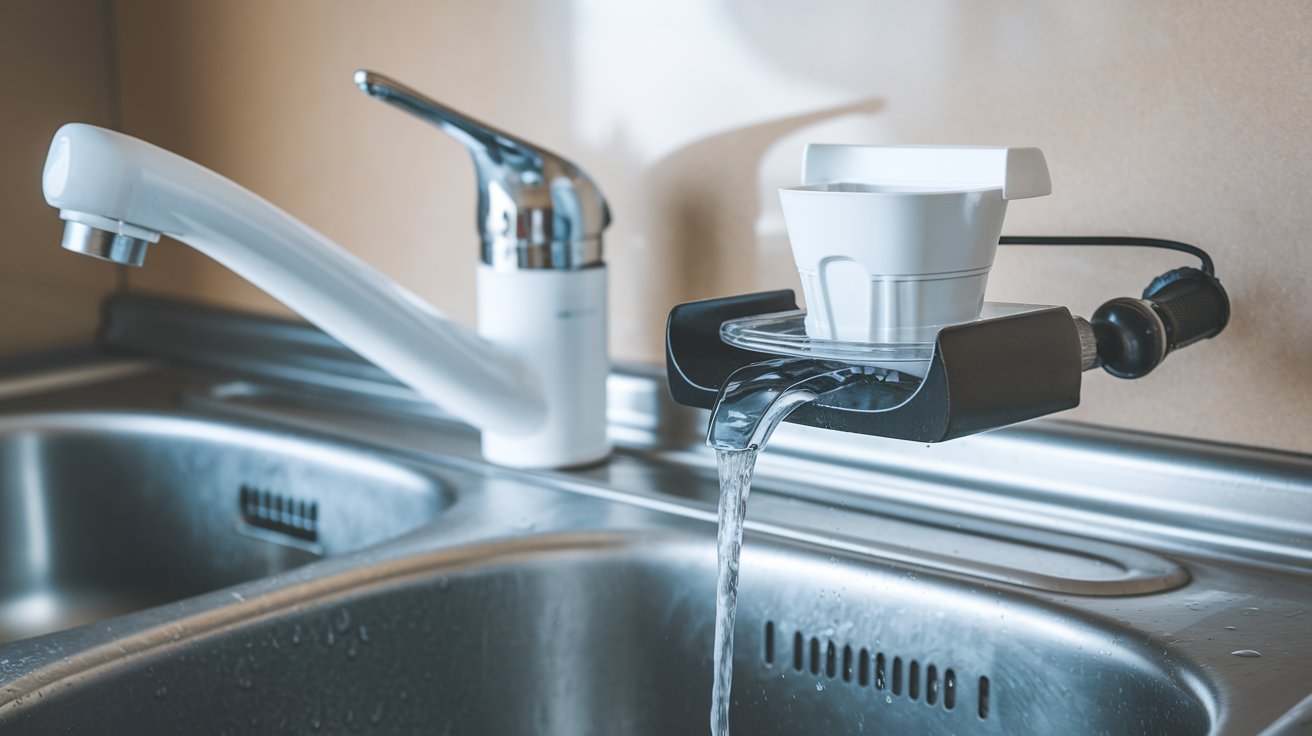
Best Water Filter System 2025: Top 10 Picks for Clean Water
Finding the best water filter system for your home can dramatically improve your drinking water quality and health. With over 85% of Americans receiving treated municipal water that may still contain contaminants, selecting the right water filtration system is crucial. This comprehensive guide reviews the top-performing water filters of 2025, comparing reverse osmosis systems, carbon filters, and countertop options based on contaminant removal, NSF certifications, and real-world performance testing.
Our Testing & Selection Process for 2025
Our evaluation process for the best water filter system involves rigorous testing across multiple criteria. We test each system for contaminant removal efficiency, focusing on chlorine, lead, mercury, pesticides, and total dissolved solids (TDS). Each filtration system undergoes NSF certification verification and third-party laboratory testing to ensure claims match actual performance. Our testing facility processes over 500 gallons through each system to evaluate long-term effectiveness.
We prioritize systems that remove the most health-threatening contaminants while maintaining beneficial minerals. Installation complexity, maintenance requirements, and cost-per-gallon calculations factor heavily into our rankings. The best drinking water systems must demonstrate consistent performance over 6-12 months of continuous use, with filter replacement intervals matching manufacturer specifications.
Top Water Filter Systems of 2025
The best water filter system category includes reverse osmosis units, under-sink carbon systems, and countertop models. Each type serves different household needs and water quality challenges. Reverse osmosis systems excel at removing dissolved solids and heavy metals, while carbon-based systems effectively eliminate chlorine taste and odor while preserving mineral content.
AquaTru RO Countertop System
The AquaTru countertop system represents the best reverse osmosis option for renters and homeowners seeking professional-grade filtration without installation. This system removes 99.9% of 82 contaminants including fluoride, lead, chromium-6, and pharmaceuticals. NSF certified for TDS reduction, it produces purified water comparable to bottled water quality while eliminating plastic waste.
Aquasana 3-Stage Under-Sink Filter
Aquasana’s under-sink system offers the best filtration material combination for comprehensive contaminant removal. The three-stage process includes activated carbon, ion exchange, and sub-micron mechanical filtration. This system maintains healthy mineral content while removing chlorine, lead, mercury, and pesticides. Installation takes 30-60 minutes with basic plumbing skills.
Reverse Osmosis vs Carbon Filtration Systems
Understanding whether reverse osmosis is the best water filtration system depends on your specific water quality needs. RO systems excel at removing dissolved contaminants, reducing TDS from 300+ ppm to under 10 ppm. However, they also remove beneficial minerals and require more water waste during the purification process.
Carbon-based systems represent the healthiest type of water filtration for most households with municipal water supplies. They preserve essential minerals like calcium and magnesium while effectively removing chlorine, volatile organic compounds (VOCs), and taste/odor issues. Carbon filters require less maintenance and produce no wastewater, making them environmentally friendly options.
Installation and Maintenance Considerations
The best drinking water filtration system balances performance with practical maintenance requirements. Under-sink systems typically require 1-3 hours for initial installation, depending on existing plumbing configurations. Most systems include detailed instructions and customer support for DIY installation.
Filter replacement schedules vary significantly between system types. Carbon filters typically last 3-6 months with average household use, while RO membranes can function effectively for 2-3 years. The best water filter system provides clear filter life indicators and readily available replacement cartridges through multiple retailers.
Contaminant Removal Capabilities
The most effective water filtration system addresses your local water quality challenges. Municipal water treatment removes biological contaminants but often leaves chemical residues, heavy metals, and industrial pollutants. EPA data shows 77 million Americans received water exceeding health guidelines in 2024.
Heavy Metal Reduction
Lead contamination affects water systems nationwide, with the best filtration material for lead removal being activated carbon combined with ion exchange media. Systems certified to NSF/ANSI Standard 53 demonstrate verified lead reduction capabilities. The most effective systems reduce lead levels from 150 ppb to under 5 ppb, well below EPA action levels.
Chemical and Pharmaceutical Removal
Emerging contaminants including PFAS, pharmaceuticals, and industrial chemicals require advanced filtration technologies. The best water filter system for comprehensive chemical removal combines multiple filtration stages. Reverse osmosis excels at removing small molecular weight contaminants, while specialized carbon media targets specific chemical classes.
Cost Analysis and Value Comparison
Evaluating the best drinking water system requires calculating total cost of ownership beyond initial purchase price. Factor in filter replacements, installation costs, and water waste for RO systems. High-quality carbon systems typically cost $0.10-0.25 per gallon, while RO systems range from $0.15-0.35 per gallon including replacement filters.
The most cost-effective water filtration system eliminates bottled water purchases, potentially saving families $500-1,200 annually. Premium systems pay for themselves within 12-18 months through bottled water replacement while providing superior convenience and environmental benefits.
NSF Certifications and Standards
NSF International certification ensures the best water filter system meets strict performance and safety standards. Look for NSF/ANSI 42 certification for chlorine taste and odor reduction, NSF/ANSI 53 for health-related contaminant removal, and NSF/ANSI 58 for reverse osmosis systems.
The healthiest type of water filtration carries multiple NSF certifications demonstrating verified contaminant reduction claims. Avoid systems making broad claims without specific NSF certification numbers. Certified systems undergo continuous third-party testing to maintain certification validity.
Water Quality Testing and Monitoring
Determining the best drinking water filtration system starts with understanding your current water quality. Home water testing kits analyze 15-20 common contaminants including chlorine, lead, bacteria, pesticides, and hardness minerals. Professional laboratory testing provides comprehensive analysis of 100+ potential contaminants.
Smart water monitoring systems integrated with modern filtration systems provide real-time water quality data through smartphone apps. These systems alert users to filter replacement needs and track long-term water quality trends, ensuring optimal system performance throughout its operational life.
Related video about best water filter system
This video complements the article information with a practical visual demonstration.
FAQ – Common Questions
What is the best drinking water filtration system for most homes?
For most American households with municipal water, a multi-stage carbon filtration system offers the best balance of contaminant removal, mineral retention, and cost-effectiveness. These systems remove chlorine, lead, and organic contaminants while preserving beneficial minerals. Under-sink carbon systems typically cost $200-500 and provide 6-12 months of filtered water per cartridge replacement.
Is reverse osmosis the best water filtration system for all situations?
Reverse osmosis excels for high-TDS water, well water with dissolved contaminants, or areas with specific contamination concerns like fluoride or nitrates. However, RO removes beneficial minerals and wastes 3-4 gallons per gallon produced. For most municipal water supplies, carbon-based systems provide adequate filtration without mineral removal or water waste.
What is the healthiest type of water filtration for daily consumption?
The healthiest filtration maintains essential minerals while removing harmful contaminants. Multi-stage carbon systems with ion exchange media offer optimal health benefits by eliminating chlorine, heavy metals, and chemicals while preserving calcium, magnesium, and other beneficial minerals. This approach provides clean water without the mineral depletion associated with reverse osmosis.
What is the best filtration material for removing specific contaminants?
Activated carbon excels at removing chlorine, VOCs, and taste/odor compounds. Ion exchange media targets heavy metals like lead and mercury. Reverse osmosis membranes eliminate dissolved solids, fluoride, and small molecular weight contaminants. The most effective systems combine multiple filtration materials to address diverse contaminant categories in a single system.
How often should I replace filters in the best water filter systems?
Filter replacement schedules depend on system type and household water usage. Carbon pre-filters typically last 3-6 months, main carbon blocks last 6-12 months, and RO membranes function for 2-3 years. Systems processing 2-4 gallons daily for average families require filter changes every 6 months for optimal performance and contaminant removal efficiency.
Do the best water filter systems remove beneficial minerals?
Carbon-based filtration systems preserve beneficial minerals like calcium, magnesium, and potassium while removing harmful contaminants. Reverse osmosis systems remove both beneficial and harmful dissolved substances, which is why many RO systems include remineralization stages. For maintaining mineral content, multi-stage carbon systems provide the best balance of purification and health benefits.
| System Type | Best For | Key Advantage |
|---|---|---|
| Multi-Stage Carbon | Municipal water, general use | Preserves minerals, removes chlorine/chemicals |
| Reverse Osmosis | High TDS, well water, specific contaminants | Maximum contaminant removal |
| Countertop Systems | Renters, portable filtration | No installation required, immediate use |
| Under-Sink Systems | Permanent homes, high volume | Hidden installation, large capacity |