Best Water Softener System for Home: Complete 2025 Guide
A water softener system removes minerals like calcium and magnesium from your home’s water supply through ion exchange technology. With over 85% of American households dealing with hard water issues, choosing the right water softener system for home use has become essential for protecting appliances, improving water quality, and reducing maintenance costs throughout your property.
How Water Softener Systems Work in 2025
Modern water softener systems utilize advanced ion exchange technology to transform hard water into soft water. The process begins when hard water enters a resin tank filled with sodium-charged beads that attract and capture calcium and magnesium ions. These mineral ions stick to the resin beads while sodium ions are released into the water, effectively reducing water hardness levels from an average of 10-15 grains per gallon to less than 1 grain per gallon.
The regeneration cycle occurs automatically based on water usage patterns, typically every 3-7 days depending on household consumption. During this process, a concentrated salt brine solution flushes the accumulated minerals from the resin beads, restoring their sodium charge. Advanced water softener system models in 2025 feature smart technology that monitors water usage and optimizes regeneration timing, reducing salt consumption by up to 40% compared to traditional timer-based systems.
Types of Water Softener Systems Available
Understanding which type of water softener system works best for your specific needs requires comparing the main categories available in today’s market. Each system offers distinct advantages and limitations that directly impact performance, maintenance requirements, and long-term costs for homeowners across different regions.
Salt-Based Ion Exchange Systems
Salt-based water softeners represent the most effective and widely-used technology for treating hard water in American homes. These systems achieve 99% mineral removal efficiency and work effectively with water hardness levels ranging from 3 to 50+ grains per gallon. The average water softener system cost for salt-based units ranges from $800 to $2,500 depending on capacity and features, making them the most economical choice for households with moderate to severe hard water problems.
Salt-Free Water Conditioners
Salt-free water softener systems use template-assisted crystallization (TAC) or electromagnetic fields to alter mineral structure without removing calcium and magnesium from water. While these systems prevent scale buildup in pipes and appliances, they don’t actually soften water according to traditional hardness measurements. The cost typically ranges from $1,200 to $4,000, and they require minimal maintenance while providing environmental benefits by eliminating salt discharge into wastewater systems.
Water Softener System Cost Analysis for 2025
The total water softener system cost encompasses initial purchase price, professional installation, ongoing maintenance, and operational expenses over the system’s 15-20 year lifespan. Installation costs vary significantly across the United States, with professional installation ranging from $300 to $800 depending on local labor rates and plumbing complexity. DIY installation can reduce initial costs but may void warranties and create potential issues with local building codes.
Monthly operational costs include salt purchases ($10-20 per month), electricity consumption ($2-5 monthly), and periodic maintenance services. Premium water softener system models with smart features may cost 20-30% more initially but often reduce long-term expenses through optimized salt usage and extended component lifespans. Homeowners should budget approximately $50-100 annually for routine maintenance and filter replacements to ensure optimal performance.
Choosing the Best Water Softener System for Your Home
Selecting the optimal water softener system for home installation requires evaluating multiple factors that directly impact system performance and satisfaction. The decision process involves analyzing your household’s specific water conditions, usage patterns, available space, and budget constraints to identify the most suitable technology and capacity.
Water Hardness Testing and Capacity Requirements
Professional water testing reveals the exact mineral content and hardness level of your water supply, which determines the appropriate system capacity needed for your household. Water hardness levels between 7-10 grains per gallon require a 32,000-grain capacity unit for families of 4-6 people, while extreme hardness above 15 grains may necessitate a 48,000-grain or dual-tank system. Most water utility companies provide annual water quality reports that include hardness measurements for your specific service area.
Installation Space and Plumbing Considerations
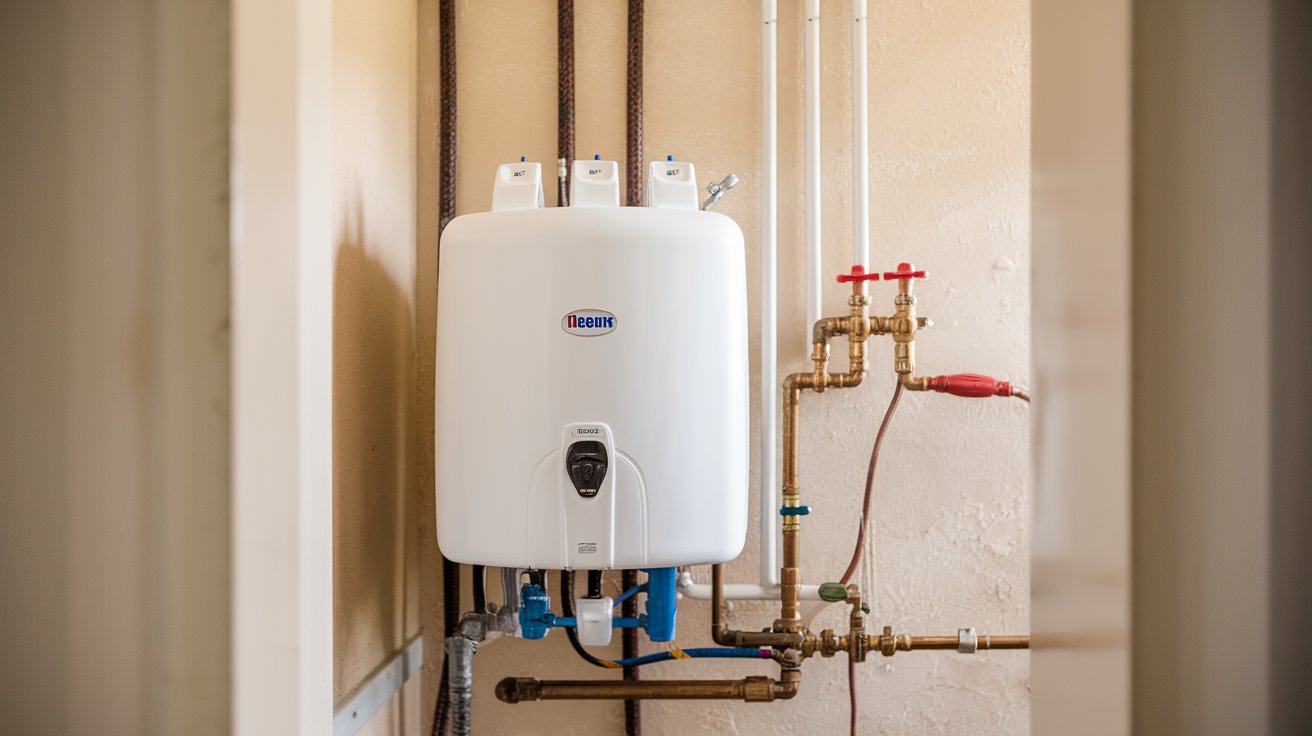
Available space determines which water softener system configuration works best for your property layout. Standard units require 4-6 feet of vertical clearance and 2-3 feet of horizontal space near the main water line entry point. Compact models designed for tight spaces may cost 15-25% more but offer the same performance in smaller footprints. Installation locations must provide adequate drainage access, electrical outlets, and protection from freezing temperatures throughout winter months.
Water Softener System Installation Process
Professional installation of a water softener system typically takes 2-4 hours and involves connecting the unit to your home’s main water line, installing bypass valves, and programming the control head for optimal operation. Licensed plumbers ensure compliance with local building codes and proper integration with existing plumbing systems. The installation process includes testing water pressure, verifying electrical connections, and conducting initial system programming based on your household’s specific water usage patterns.
DIY installation requires intermediate plumbing skills and specialized tools including pipe cutters, soldering equipment, and pressure testing devices. Many manufacturers provide detailed installation guides and video tutorials, but improper installation can void warranties and create expensive repair issues. Professional installation typically includes a one-year service warranty and initial system setup optimization that maximizes performance and efficiency from day one.
Health Effects: Hard vs Soft Water Consumption
The question of whether it’s healthier to drink hard or soft water has generated considerable debate among health professionals and water quality experts. Hard water naturally contains beneficial minerals like calcium and magnesium that contribute to daily nutritional intake, providing approximately 5-15% of recommended daily mineral requirements depending on hardness levels. These minerals support bone health, cardiovascular function, and muscle development throughout life.
Conversely, soft water contains higher sodium levels due to the ion exchange process, which may concern individuals following low-sodium diets or managing hypertension. However, the sodium content in softened water typically ranges from 20-100 milligrams per liter, significantly less than many processed foods and beverages. Most health professionals recommend using a bypass valve for drinking water taps or installing a reverse osmosis system for optimal drinking water quality while maintaining soft water for household use.
Maintenance and Care Requirements
Proper maintenance ensures your water softener system operates efficiently for 15-20 years while minimizing repair costs and performance issues. Monthly tasks include checking salt levels in the brine tank, cleaning the brine tank quarterly, and monitoring water softness using test strips. Salt levels should remain above the water line but below the tank’s maximum fill line to prevent salt bridging and ensure proper regeneration cycles.
Annual maintenance performed by qualified technicians includes resin tank cleaning, control valve inspection, and system performance optimization. Professional service calls typically cost $100-200 and help identify potential problems before they cause system failures. Regular maintenance extends component lifespan, maintains warranty coverage, and ensures consistent water quality throughout your home’s plumbing system.
Popular Retailers and Where to Buy
Major retailers offer extensive selections of water softener systems with competitive pricing and installation services. Home Depot carries leading brands like Whirlpool, GE, and Morton with prices ranging from $400-3,000, plus professional installation services available in most markets. Costco members can access exclusive water softener system Costco bundles that include installation, extended warranties, and bulk salt delivery services at discounted rates.
Local water treatment specialists often provide superior customer service, customized system recommendations, and ongoing maintenance support compared to big-box retailers. Many homeowners find valuable insights on water softener system Reddit communities where users share experiences, troubleshooting tips, and unbiased product reviews. Online retailers like Amazon offer competitive pricing but may not include professional installation or local service support that many homeowners require for optimal system performance.
Common Problems and Troubleshooting Solutions
Understanding potential issues helps homeowners maintain optimal water softener system performance and avoid costly repairs. Salt bridging occurs when humidity causes salt to form hard crusts in the brine tank, preventing proper regeneration cycles and reducing system effectiveness. Breaking up salt bridges manually and switching to high-purity salt pellets typically resolves this common problem that affects 30-40% of systems annually.
Iron fouling represents another frequent issue that reduces resin efficiency and causes reddish-brown water discoloration. Systems treating water with iron levels above 3 parts per million require periodic resin cleaning with iron removal products or installation of pre-treatment filtration. Regular monitoring of water quality and system performance indicators helps identify problems early and maintain consistent soft water delivery throughout your home’s plumbing network.
Related video about water softener system
This video complements the article information with a practical visual demonstration.
Questions & Answers
What is the downside of a water softener?
The main downside of water softeners includes increased sodium content in drinking water, monthly salt costs averaging $15-25, and potential environmental impact from salt discharge. Some people also miss the natural mineral content found in hard water and may need to install bypass valves for drinking water taps.
How much does it cost to install a water softener system?
Professional water softener system installation costs range from $300-800 depending on your location and plumbing complexity. Total system costs including equipment range from $1,100-3,300 for most homes, with ongoing monthly expenses of $20-40 for salt and maintenance.
Which type of water softener system is best?
Salt-based ion exchange systems are considered the best for most homes, offering 99% mineral removal efficiency and proven reliability. For households with mild hardness or environmental concerns, salt-free conditioners provide scale prevention without sodium addition, though they don’t technically soften water.
Is it healthier to drink hard or soft water?
Hard water provides beneficial minerals like calcium and magnesium contributing to daily nutrition, while soft water contains added sodium from the treatment process. Most health experts recommend hard water for drinking and soft water for household use, or installing a bypass valve for drinking water taps.
How long do water softener systems last?
Quality water softener systems typically last 15-20 years with proper maintenance. Premium models with advanced controls may extend to 25 years, while basic units average 10-15 years. Regular maintenance, quality salt usage, and professional annual service significantly impact system lifespan.
Can I install a water softener system myself?
DIY installation is possible for homeowners with plumbing experience, but professional installation ensures warranty coverage and code compliance. Most manufacturers recommend professional installation to avoid voiding warranties, and local building codes may require licensed plumber installation in many areas.
| System Type | Initial Cost Range | Key Benefit |
|---|---|---|
| Salt-Based Ion Exchange | $800-$2,500 | 99% mineral removal efficiency |
| Salt-Free Conditioner | $1,200-$4,000 | No sodium addition to water |
| Professional Installation | $300-$800 | Warranty coverage and code compliance |
| Monthly Operating Costs | $20-$40 | Includes salt, electricity, and maintenance |