Best Well Water Filtration System Guide 2025 – Complete Setup
A well water filtration system is essential for homeowners relying on private wells, as untreated groundwater can contain bacteria, sediment, iron, sulfur, and other contaminants. With over 43 million Americans using private wells, choosing the right whole house water filter ensures safe drinking water throughout your home. This comprehensive guide covers everything from system types and costs to installation requirements for 2025.
Types of Well Water Filtration Systems
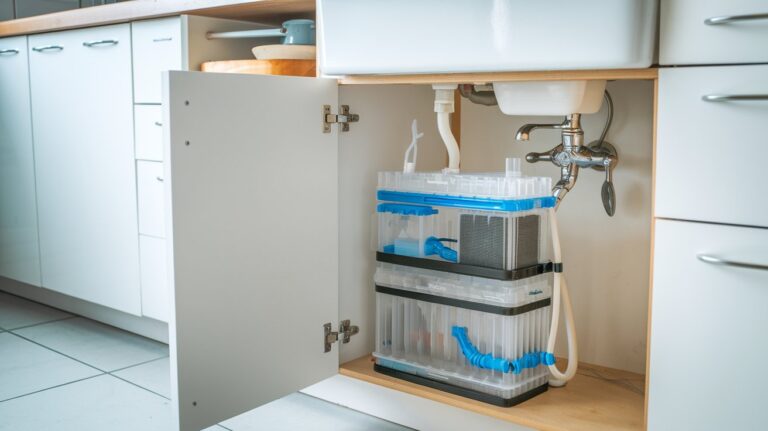
Understanding the different type of filtration system options helps you choose the most effective solution for your well water quality. Each system targets specific contaminants commonly found in groundwater, from basic sediment to complex chemical compounds. Modern well water filtration system for home installations typically combine multiple filtration stages for comprehensive protection.
The most effective approach involves testing your water first to identify specific contaminants, then selecting a filtration system designed to address those particular issues. This targeted approach ensures optimal performance while avoiding unnecessary equipment costs.
Sediment and Pre-Filtration Systems
Sediment filters represent the first line of defense in any well water filtration system diagram, removing particles like sand, silt, and rust before they reach downstream equipment. These pre-filters typically use 5-20 micron ratings and require replacement every 3-6 months depending on sediment levels. Installing proper sediment filtration extends the life of more expensive downstream components significantly.
Iron and Manganese Removal Systems
Iron and manganese create the characteristic metallic taste and orange staining that plague many well water users. Specialized water filtration system designs use oxidation followed by filtration to convert dissolved metals into particles that can be trapped. These systems often include backwashing capabilities to maintain peak performance and handle high iron concentrations exceeding 10 ppm.
Activated Carbon Filtration
Activated carbon systems excel at removing chlorine, volatile organic compounds, and taste and odor issues from well water. Carbon-based whole house water filter systems provide broad-spectrum chemical reduction while maintaining healthy mineral content. High-quality carbon filters can process thousands of gallons before requiring replacement, making them cost-effective for most households.
Well Water Filtration System Cost Analysis
Understanding well water filtration system price factors helps budget for both initial investment and ongoing maintenance expenses. Basic systems start around $300-500 for simple sediment and carbon filtration, while comprehensive whole house solutions range from $1,500-4,000 depending on capacity and features. Professional installation typically adds $500-1,200 to total project costs.
The question how much does a whole-house well water filtration system cost depends heavily on water quality test results and required treatment stages. Systems addressing multiple contaminants like iron, bacteria, and hardness naturally command higher prices but provide comprehensive protection for your entire home.
Equipment and Installation Costs
Basic drinking water filtration system for home installations range from $800-1,500 including equipment and professional setup. More complex systems requiring UV sterilization, iron removal, or pH correction can reach $3,000-5,000 installed. Labor costs vary by region but typically represent 25-30% of total project expense when hiring qualified plumbing professionals.
Ongoing Maintenance and Replacement Costs
Annual maintenance costs for well water filtration system equipment average $150-400 depending on system complexity and water usage. Filter cartridge replacements represent the largest ongoing expense, with sediment filters costing $15-30 each and carbon filters ranging from $40-80. UV lamp replacements, required annually, cost $60-120 plus professional service fees.
Best Water Filtration System Selection Guide
Choosing the best water filtration system for home use requires matching system capabilities to your specific water quality challenges. Professional water testing reveals exact contaminant levels, enabling precise system sizing and component selection. The best whole house water filter Consumer reports consistently recommend systems that address your specific water issues rather than generic solutions.
Consider factors like water usage patterns, available space, and local service availability when evaluating options. The most effective system balances performance, reliability, and operating costs while providing comprehensive protection for your family’s health and home appliances.
Water Testing and System Sizing
Comprehensive water testing should analyze bacteria, pH, hardness, iron, sulfur, nitrates, and total dissolved solids before system selection. Professional labs provide detailed reports indicating which contaminants exceed safe drinking water standards. System sizing calculations must account for peak flow rates, typically 8-12 gallons per minute for average households, to ensure adequate pressure throughout your home.
Brand and Warranty Considerations
Leading manufacturers offer comprehensive warranties ranging from 1-10 years on different components, with tanks and housings typically covered longest. Research local service availability for your chosen brand, as prompt filter changes and system maintenance ensure optimal performance. Established brands with nationwide dealer networks provide better long-term support than regional or online-only suppliers.
Installation Requirements and Process
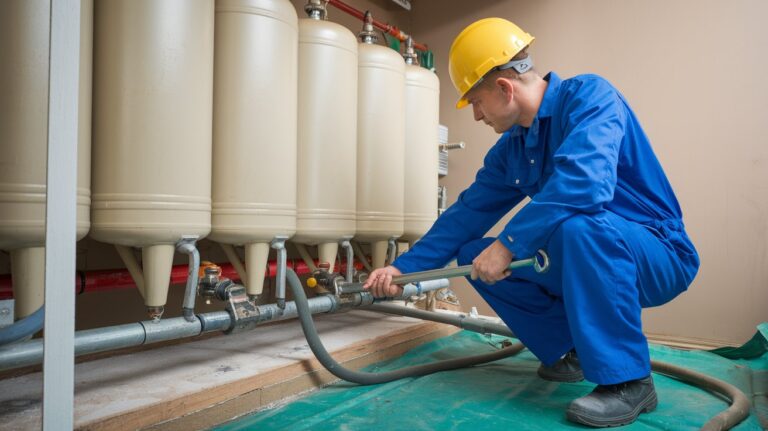
Professional installation ensures your well water filtration system operates safely and efficiently while maintaining appropriate water pressure throughout your home. The installation process typically requires 4-8 hours depending on system complexity and existing plumbing configuration. Proper installation includes adequate drainage, electrical connections for UV or electronic components, and bypass valving for maintenance access.
Local building codes may require permits for whole-house filtration system installations, particularly when electrical work is involved. Working with licensed contractors ensures compliance with all regulations while protecting your investment through proper warranty coverage.
Space and Location Requirements
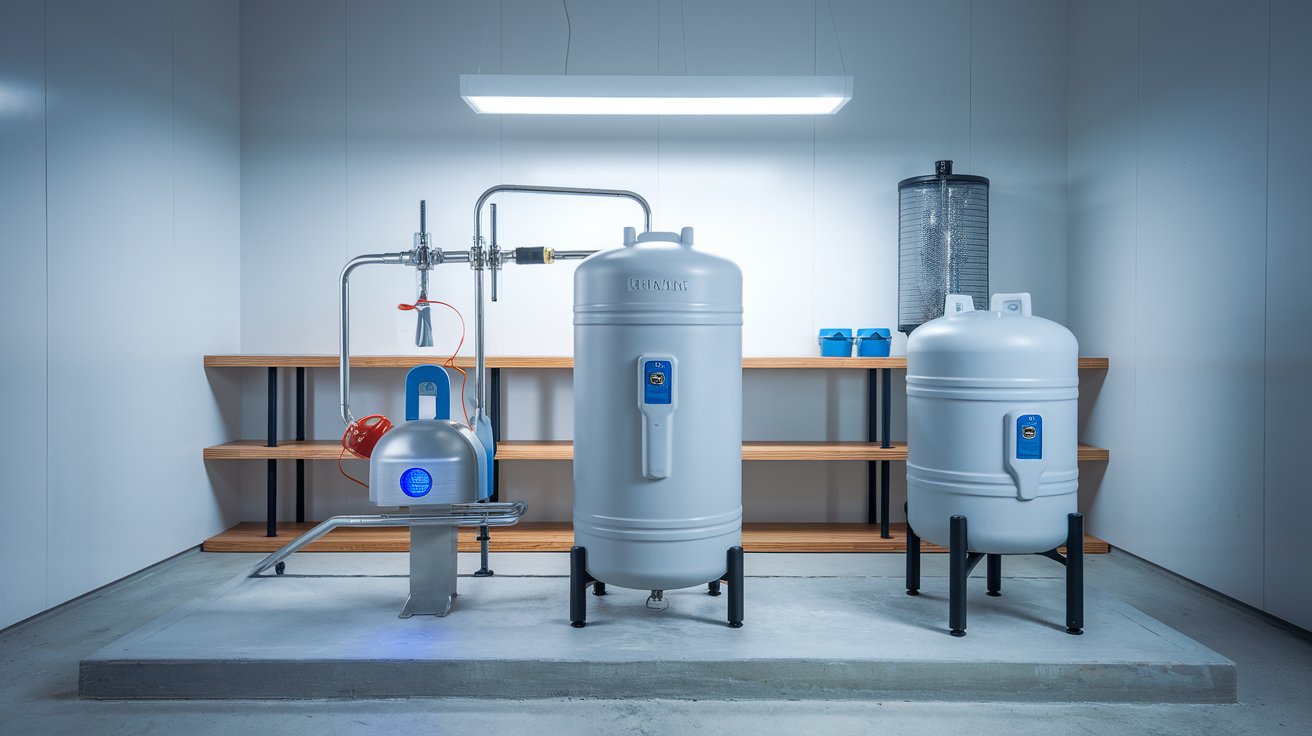
Most whole house water filter systems require 6-8 feet of horizontal space and 7-8 feet of vertical clearance for component access and maintenance. Installation typically occurs near your pressure tank in basement, utility room, or well house locations. Adequate drainage must be available for backwash cycles and system maintenance, with floor drains preferred over sump pump systems.
Plumbing and Electrical Connections
Standard installations require copper or PEX plumbing connections with shutoff valves and bypass loops for maintenance access. UV sterilization systems need dedicated 120V electrical circuits with GFCI protection, while basic filtration systems operate without electricity. Professional installers ensure proper grounding and electrical safety compliance during system integration with existing household plumbing.
Maintenance and Filter Replacement Schedule
Regular maintenance ensures your well water filtration system continues providing safe, clean water while maximizing component lifespan. Sediment pre-filters typically require replacement every 3-6 months, while carbon filters last 6-12 months depending on usage and contaminant levels. UV lamps must be replaced annually regardless of usage to maintain effective bacteria and virus elimination.
Establishing a maintenance schedule prevents system failures and maintains warranty coverage. Many homeowners find quarterly filter inspections help identify replacement needs before water quality deteriorates or flow rates decrease significantly.
Common Well Water Problems and Solutions
Understanding typical well water issues helps identify the most effective filtration system solutions for your specific situation. Iron staining, sulfur odors, bacterial contamination, and pH imbalances represent the most common challenges requiring specialized treatment approaches. Each problem requires targeted solutions beyond basic sediment and carbon filtration.
Professional water analysis reveals the full scope of treatment needs, often identifying multiple issues requiring comprehensive system design. Addressing all problems simultaneously proves more cost-effective than adding components piecemeal as issues arise.
Iron and Rust Staining Issues
Iron concentrations exceeding 0.3 ppm cause orange staining on fixtures, laundry, and dishes that standard water filtration system for home setups cannot address effectively. Specialized iron removal systems use oxidation tanks or chemical injection followed by filtration to eliminate both dissolved and particulate iron. These systems often solve the rusty well water problem completely when properly sized and maintained.
Bacterial Contamination and UV Treatment
Bacterial contamination requires UV sterilization as the final treatment stage in any comprehensive well water filtration system for home installations. UV systems destroy bacteria, viruses, and other microorganisms without adding chemicals to your water supply. Annual lamp replacement and pre-filtration ensure UV systems maintain 99.99% pathogen destruction rates required for safe drinking water.
Finding Water Filtration System Installers Near You
Locating qualified installers for your water filtration system for home near me search requires evaluating experience, licensing, and local reputation. Licensed plumbing contractors with water treatment experience provide the best installation results and warranty support. Many manufacturers maintain dealer networks offering both sales and service support for their equipment lines.
Request multiple quotes when searching for well water filtration system near me options, comparing not just prices but also system recommendations and service availability. Local water treatment specialists often provide better ongoing support than general plumbing contractors unfamiliar with filtration system maintenance requirements.
Related video about well water filtration system
This video complements the article information with a practical visual demonstration.
Essential Q&A about well water filtration system
What type of filtration system is best for well water?
The best well water filtration system depends on your specific water quality issues identified through professional testing. Most effective systems combine sediment pre-filtration, iron removal if needed, activated carbon for taste and odor, and UV sterilization for bacterial protection. Comprehensive whole-house systems addressing multiple contaminants provide the best long-term value and protection.
How much does a whole-house well water filtration system cost?
Whole-house well water filtration systems typically cost $1,500-4,000 including installation, depending on water quality issues and required treatment stages. Basic sediment and carbon systems start around $800-1,500, while comprehensive systems addressing iron, bacteria, and pH issues can reach $3,000-5,000. Annual maintenance costs average $150-400 for filter replacements and service.
Should I have a water filtration system on well water?
Yes, well water filtration systems are highly recommended since private wells are not regulated by EPA drinking water standards. Well water commonly contains bacteria, sediment, iron, sulfur, and other contaminants that can affect health and damage appliances. Professional water testing reveals specific treatment needs, with most homeowners benefiting from at least basic sediment and carbon filtration plus UV sterilization.
How much does it cost to put in a filtration system to a well?
Installing a well water filtration system costs $300-5,000 depending on system complexity and local labor rates. Basic point-of-use systems cost $300-800, while comprehensive whole-house installations range from $1,500-4,000. Professional installation adds $500-1,200 to equipment costs but ensures proper operation, warranty coverage, and code compliance for most installations.
| System Type | Cost Range | Best For |
|---|---|---|
| Basic Sediment & Carbon | $800-1,500 | General taste, odor, and sediment removal |
| Iron Removal System | $1,200-2,500 | High iron content causing staining |
| Comprehensive Whole House | $2,500-4,000 | Multiple contaminants including bacteria |
| Point-of-Use Drinking | $300-800 | Kitchen drinking water only |