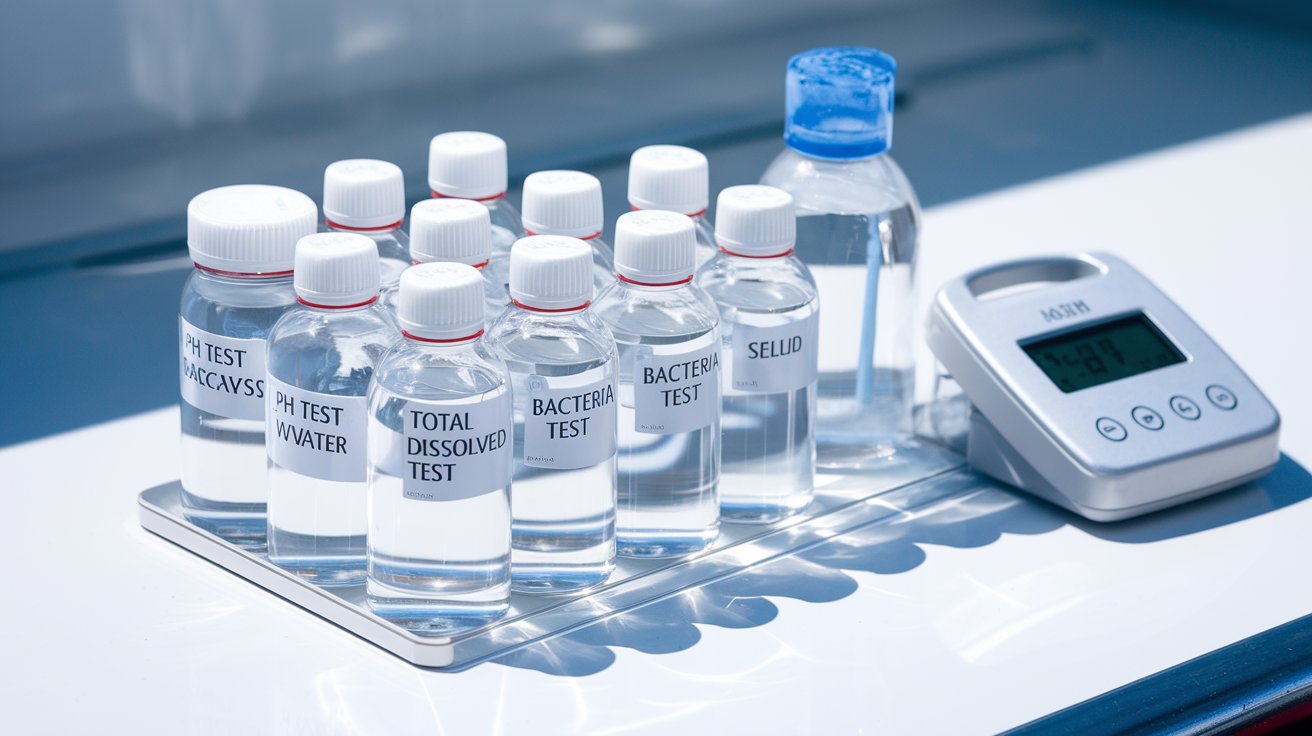
Best Well Water Testing Kit 2025: Complete Safety Guide
Protecting your family’s health starts with ensuring your well water testing kit provides accurate results for contaminants, bacteria, and chemical pollutants. With over 15 million American households relying on private wells, choosing the right testing solution has become critical for maintaining safe drinking water standards in your home.
How Accurate Are Home Well Water Test Kits in 2025
Modern home well water test kits have achieved remarkable accuracy rates, with laboratory-grade options reaching 95-99% precision for standard contaminants. The Environmental Protection Agency reports that certified testing kits can reliably detect bacteria, heavy metals, pH levels, and chemical pollutants when used correctly. However, accuracy varies significantly between different manufacturers and price points.
Professional-grade well water testing kits typically offer higher accuracy than basic strip tests, which may only achieve 70-85% reliability. The key factors affecting accuracy include sample collection methods, storage conditions, and the specific contaminants being tested. Most reputable manufacturers provide detailed instructions and quality control measures to maximize testing precision.
Laboratory vs Home Testing Accuracy Comparison
Laboratory analysis remains the gold standard with 99.9% accuracy, while professional water test kits for home use can achieve 95-98% accuracy for most parameters. Basic test strips typically range from 70-85% accuracy, making them suitable for preliminary screening but not definitive health decisions. The margin of error decreases when following proper sampling protocols and using certified testing equipment.
Factors That Impact Testing Accuracy
Sample contamination during collection is the leading cause of inaccurate results, affecting up to 30% of well water testing kit outcomes. Temperature fluctuations, exposure to light, and delayed processing can also compromise accuracy. Following manufacturer guidelines for sample collection, storage, and timing ensures optimal testing precision and reliable health safety assessments.
Can I Test My Well Water Myself Safely
Self-testing your well water is not only possible but recommended by the CDC for private well owners. Well water testing kits designed for consumer use provide comprehensive screening capabilities without requiring professional technician visits. The process involves collecting water samples following specific protocols and either using instant test methods or sending samples to certified laboratories.
Safety considerations include proper sample handling, understanding result limitations, and knowing when professional intervention is necessary. Most home well water test kits include detailed instructions, safety equipment, and interpretation guides to ensure accurate self-testing procedures. However, complex contamination issues may still require professional assessment and remediation services.
Essential Safety Protocols for Self-Testing
Proper well water testing kit usage requires sterile sample collection, typically using provided containers and following specific flushing procedures. Wear protective gloves when handling samples, avoid contaminating collection containers, and maintain proper chain of custody for mail-in tests. Document collection times, weather conditions, and any unusual circumstances that might affect results.
When to Seek Professional Testing Services
Professional intervention becomes necessary when well water testing kits indicate contamination levels exceeding EPA standards, particularly for bacteria, nitrates, or heavy metals. Complex issues like petroleum products, pesticides, or industrial chemicals often require specialized laboratory analysis beyond typical consumer testing capabilities. Annual professional testing supplements regular home monitoring for comprehensive water safety assurance.
Best Well Water Testing Methods for 2025
The most effective well water testing approach combines multiple methodologies tailored to specific regional contamination risks and household needs. Strip tests provide immediate results for basic parameters, while mail-in laboratory analysis offers comprehensive contaminant screening. Digital testing devices and smartphone-connected kits represent emerging technologies gaining popularity among tech-savvy homeowners.
Comprehensive testing should include bacterial screening, chemical analysis, heavy metals detection, and pH measurement. The best well water testing kit varies based on regional contamination patterns, with agricultural areas requiring pesticide screening and industrial regions needing heavy metals analysis. Seasonal testing schedules help identify contamination patterns and ensure consistent water safety monitoring.
Strip Tests vs Laboratory Analysis
Strip tests offer immediate results within 15 minutes but provide limited accuracy for complex contaminants. Professional water test kits with laboratory analysis deliver comprehensive results within 5-7 business days, covering 50+ parameters including bacteria, chemicals, and heavy metals. Cost considerations range from $20-50 for strips to $150-300 for comprehensive laboratory testing.
Digital Testing Technology Advances
Smart well water testing kits now feature Bluetooth connectivity, smartphone apps, and cloud-based result tracking. These devices provide real-time monitoring capabilities and historical data analysis for trend identification. While more expensive than traditional methods, digital solutions offer convenience and ongoing monitoring benefits for health-conscious households.
How to Test if Your Well Water is Safe
Determining water safety requires systematic testing for bacterial contamination, chemical pollutants, and physical parameters affecting health and taste. The EPA recommends annual testing for bacteria and nitrates, with additional screening based on regional contamination risks. Well water testing kits should evaluate coliform bacteria, E. coli, heavy metals, pH levels, and dissolved solids for comprehensive safety assessment.
Safe water standards are defined by EPA maximum contaminant levels, which serve as benchmarks for evaluating well water testing kit results. Understanding these standards helps homeowners interpret results and make informed decisions about water treatment needs. Documentation of testing results creates historical records useful for identifying contamination trends and system performance changes.
Well Water Testing Kit Cost Analysis 2025
Budget considerations for well water testing kit cost range from basic $15 test strips to comprehensive $400 professional analysis packages. Mid-range options priced between $75-150 typically provide adequate screening for most residential applications. Regional pricing variations and bulk purchasing options can significantly impact overall testing expenses for regular monitoring programs.
Cost-effectiveness analysis should consider testing frequency, result accuracy, and potential health risks when comparing options. Well water testing kit investments represent preventive healthcare measures that can identify costly problems before they impact family health or require expensive remediation efforts. Annual testing costs typically range from $100-300 per household depending on contamination risks and testing comprehensiveness.
Budget-Friendly Testing Options
Economical well water testing kit solutions include basic bacterial test strips ($15-25), pH testing kits ($20-35), and multi-parameter strips covering common contaminants ($30-50). These options provide essential safety screening for budget-conscious homeowners while maintaining reasonable accuracy for primary health concerns. Bulk purchasing and annual testing plans often reduce per-test costs significantly.
Premium Testing Package Value
High-end professional water test kits priced $200-400 include comprehensive laboratory analysis, expert consultation, and detailed remediation recommendations. These packages typically screen 50+ contaminants and provide EPA-certified results suitable for health assessments and property transactions. Premium options offer best value for households with complex contamination concerns or health vulnerabilities.
Well Water Bacteria Test Kit Selection Guide
Bacterial contamination represents the most immediate health threat in well water systems, making well water bacteria test kits essential for household safety. Coliform bacteria testing indicates potential pathogen presence, while specific E. coli detection confirms fecal contamination requiring immediate remediation. Modern testing kits provide results within 24-48 hours using simplified incubation methods suitable for home use.
Selection criteria for well water bacteria test kit options include detection sensitivity, result timing, and ease of use. EPA-approved testing methods ensure accurate bacterial enumeration compatible with health safety standards. Temperature-sensitive incubation requirements and proper sample handling protocols are critical for reliable bacterial testing outcomes.
Where to Find Well Water Testing Kits Near You
Local availability of well water testing kit near me includes hardware stores, home improvement retailers, and specialized water treatment suppliers. Home Depot, Lowe’s, and Menards typically stock basic testing options, while specialized dealers offer professional-grade equipment and expert consultation services. Online retailers provide broader selection and competitive pricing for comprehensive testing solutions.
Regional water quality laboratories often sell testing kits directly and provide local expertise on area-specific contamination concerns. County health departments frequently offer discounted well water testing kits and may provide free testing for income-qualified households. Professional water treatment companies typically stock premium testing equipment and offer installation and interpretation services.
Related video about well water testing kit
This video complements the article information with a practical visual demonstration.
What you should know
How accurate are home well water test kits compared to professional testing?
Modern home well water test kits achieve 95-99% accuracy for standard contaminants when used correctly, compared to 99.9% accuracy for professional laboratory analysis. Basic test strips typically achieve 70-85% reliability, while professional-grade home kits can match laboratory precision for most common parameters including bacteria, pH, and heavy metals.
Can I test my well water myself without professional help?
Yes, self-testing is both safe and recommended by the CDC for private well owners. Well water testing kits include detailed instructions, safety equipment, and interpretation guides. However, complex contamination issues like petroleum products or industrial chemicals may require professional laboratory analysis and remediation services.
What is the best testing method for well water safety?
The most effective approach combines multiple testing methods: bacterial screening for immediate health threats, chemical analysis for long-term contaminants, and regular pH monitoring. Comprehensive laboratory analysis covering 50+ parameters provides the most thorough safety assessment, while strip tests offer quick screening for basic parameters.
How do I know if my well water is safe to drink?
Safe well water meets EPA maximum contaminant levels for bacteria, chemicals, and heavy metals. Test annually for bacteria and nitrates, with additional screening based on regional risks. Safe water shows no coliform bacteria, pH between 6.5-8.5, nitrates below 10 mg/L, and heavy metals within EPA limits.
How much does a well water testing kit cost in 2025?
Well water testing kit costs range from $15 for basic test strips to $400 for comprehensive professional analysis. Mid-range options ($75-150) provide adequate screening for most homes. Annual testing costs typically range $100-300 per household depending on contamination risks and testing comprehensiveness.
Where can I buy a reliable well water testing kit?
Reliable well water testing kits are available at Home Depot, Lowe’s, specialized water treatment suppliers, and online retailers. Local water quality laboratories and county health departments often provide testing kits with regional expertise. Professional water treatment companies stock premium testing equipment with expert consultation services.
| Testing Method | Accuracy Rate | Cost Range | Best Use Case |
|---|---|---|---|
| Basic Test Strips | 70-85% | $15-50 | Quick screening |
| Home Laboratory Kits | 95-99% | $75-150 | Regular monitoring |
| Professional Analysis | 99.9% | $200-400 | Comprehensive safety |
| Bacterial Testing | 95-98% | $25-75 | Health safety priority |