Is Well Water Safe to Drink? Complete US Safety Guide 2025
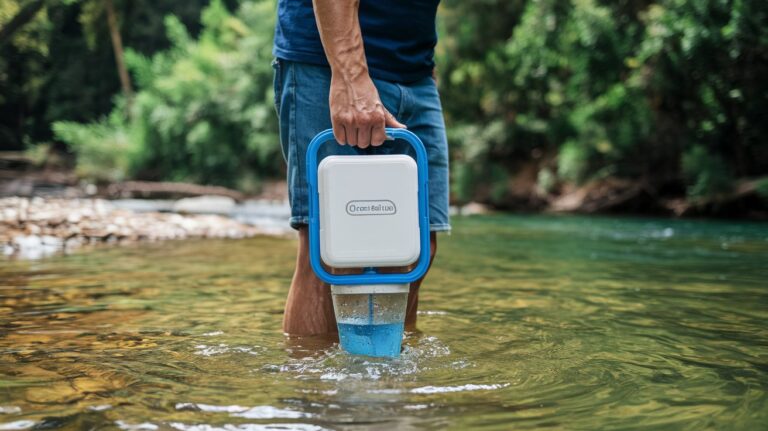
Well water safety is a critical concern for over 43 million Americans who rely on private wells for their drinking water supply. Unlike municipal water systems, well water isn’t regulated by the EPA, making homeowners responsible for ensuring their water meets safety standards. Understanding potential contaminants, testing requirements, and proper maintenance can determine whether your well water is safe to drink and protect your family’s health.
Understanding Well Water Safety Fundamentals
Private well water can be perfectly safe to drink when properly maintained and regularly tested. The safety of your well water depends on several factors including groundwater quality, well construction, surrounding land use, and maintenance practices. In the United States, approximately 15% of the population relies on private wells, with higher concentrations in rural areas where municipal water systems aren’t available.
The primary difference between well water and tap water lies in treatment and regulation. Municipal water systems are required to meet strict EPA standards and undergo continuous monitoring, while private well owners are responsible for their own water quality testing and treatment. This means well water safety varies significantly from location to location based on geological conditions and environmental factors.
Natural Water Quality Factors
Groundwater quality naturally varies based on geological formations, soil composition, and local environmental conditions. Some regions have naturally occurring contaminants like arsenic, radon, or high mineral content that can affect taste and safety. Understanding your local geology helps determine which contaminants are most likely to appear in your well water and guides appropriate testing protocols.
Construction and Location Impact
Proper well construction is crucial for safe drinking water. Wells should be located at least 100 feet from potential contamination sources like septic systems, livestock areas, or chemical storage. The well casing must extend at least 20 feet below ground and be properly sealed to prevent surface contamination from entering the water supply.
Common Well Water Contaminants and Health Risks
Well water can contain various contaminants that pose health risks if present in high concentrations. Bacterial contamination is the most immediate concern, potentially causing gastrointestinal illness within hours of consumption. E. coli and coliform bacteria indicate fecal contamination and require immediate attention to prevent serious illness.
Chemical contaminants present longer-term health risks. Nitrates from agricultural runoff can cause methemoglobinemia in infants, while heavy metals like lead and arsenic increase cancer risk over time. Pesticides and industrial chemicals can also infiltrate groundwater, particularly in agricultural or industrial areas.
Bacterial and Microbial Contamination
Bacterial contamination is the leading cause of well water illness in the United States. Total coliform bacteria serve as indicators of potential contamination, while E. coli specifically indicates fecal contamination. Symptoms of bacterial contamination include nausea, vomiting, diarrhea, and fever. Immunocompromised individuals face higher risks and may experience more severe symptoms.
Chemical and Heavy Metal Contamination
Chemical contamination often occurs gradually and may not cause immediate symptoms. Heavy metals like arsenic are particularly concerning because they’re odorless and tasteless but can cause cancer, skin problems, and cardiovascular disease with long-term exposure. Nitrates are especially dangerous for infants and pregnant women, potentially causing blue baby syndrome.
Essential Well Water Testing Requirements
Regular testing is the only way to ensure well water safety. The CDC recommends annual testing for bacteria, nitrates, and any contaminants of local concern. New wells should undergo comprehensive testing before use, including bacteria, nitrates, pH, total dissolved solids, and metals analysis.
How to test well water involves collecting samples according to specific protocols to avoid contamination during collection. Most state health departments provide testing services or can recommend certified laboratories. Testing costs typically range from $150 to $400 depending on the comprehensiveness of analysis required.
Annual Testing Protocol
Annual bacterial testing is essential for all private wells. Coliform bacteria testing costs approximately $25-50 and provides rapid results about bacterial contamination. Additional testing should include nitrates, pH levels, and any contaminants identified as concerns in your specific geographic area based on state health department recommendations.
Comprehensive Testing Schedule
Every three to five years, wells should undergo comprehensive testing for heavy metals, pesticides, and industrial chemicals. This expanded testing helps identify contamination trends and ensures long-term water safety. Properties near agricultural areas should test more frequently for pesticides and nitrates due to seasonal application cycles.
Signs Your Well Water May Be Making You Sick
Physical symptoms can indicate well water contamination before test results confirm problems. Gastrointestinal symptoms like nausea, diarrhea, or stomach cramps appearing within hours of drinking water suggest bacterial contamination. Skin irritation, unusual fatigue, or recurring illness in household members may indicate chemical contamination.
Visual and sensory changes in water quality often precede health symptoms. Changes in water color, unusual odors, or metallic taste can indicate contamination. However, many dangerous contaminants are odorless and tasteless, making regular testing essential even when water appears normal.
Making Well Water Safe to Drink
Multiple treatment options can make contaminated well water safe for consumption. Bacterial contamination requires disinfection through chlorination, UV treatment, or boiling. Chemical contamination may require specialized filtration systems designed for specific contaminants identified through testing.
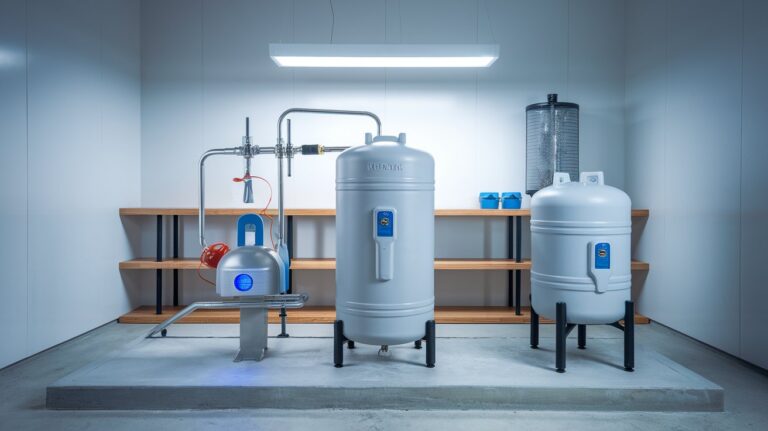
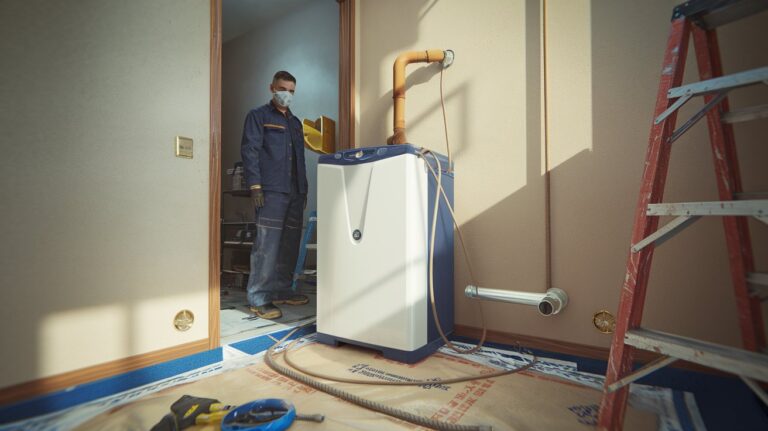
Whole-house treatment systems provide comprehensive water treatment solutions but require significant investment and ongoing maintenance. Point-of-use systems treating only drinking water are more affordable but don’t protect against contamination during bathing or cooking. Professional water treatment specialists can recommend appropriate systems based on specific contamination issues.
Disinfection Methods
UV disinfection systems effectively eliminate bacteria and viruses without adding chemicals to water. These systems require annual lamp replacement and work only on clear water. Chlorination systems provide residual protection but may affect taste and require careful monitoring to maintain proper chlorine levels.
Filtration and Treatment Systems
Reverse osmosis systems remove most chemical contaminants but waste significant water and remove beneficial minerals. Activated carbon filters effectively remove chlorine, pesticides, and organic compounds but don’t eliminate bacteria or heavy metals. Combination systems addressing multiple contamination types provide comprehensive treatment but require professional installation and maintenance.
Well Water vs Tap Water: Health Comparison
The question of whether well water or tap water is healthier depends on specific circumstances. Municipal tap water undergoes extensive treatment and testing but may contain chlorine, fluoride, or trace pharmaceuticals. Well water avoids these additives but may contain naturally occurring contaminants or lack essential minerals.
Properly maintained and tested well water can be healthier than tap water in areas with high-quality groundwater. However, poorly maintained wells or those in contaminated areas pose significantly higher health risks than regulated municipal water. The key difference lies in responsibility – municipal systems are professionally managed while well owners must ensure their own water safety.
Special Considerations for Vulnerable Populations
Well water safety for babies requires extra precautions due to their developing immune systems and smaller body size. Infants are particularly vulnerable to nitrate contamination, which can cause methemoglobinemia or blue baby syndrome. Pregnant women should also exercise caution, as certain contaminants can affect fetal development.
Elderly individuals and immunocompromised people face higher risks from bacterial contamination in well water. These populations should consider more frequent testing and may benefit from additional water treatment systems. Pets can also serve as early warning systems, as they may show symptoms of contamination before humans due to their smaller size and different metabolism.
Advantages and Benefits of Well Water
Despite potential risks, well water offers several advantages over municipal water when properly maintained. Well water typically contains beneficial minerals like calcium and magnesium that are often removed during municipal treatment processes. Many people prefer the taste of well water, finding it fresher and more natural than treated tap water.
Economic benefits include freedom from monthly water bills and independence from municipal rate increases. Well water systems provide reliable access to water during municipal outages or emergencies. Environmental benefits include reduced reliance on energy-intensive water treatment plants and transportation infrastructure required for municipal systems.
Well Maintenance and Protection Strategies
Protecting your well water source prevents contamination and ensures long-term safe drinking water. Regular well inspection should include checking the well cap, casing integrity, and surrounding area for potential contamination sources. Annual professional inspection costs $100-200 but can prevent costly contamination problems.
Proper landscaping around wells prevents surface contamination from reaching groundwater. Maintaining distance from septic systems, chemical storage, and livestock areas protects water quality. Installing a proper well cap and ensuring the area slopes away from the well prevents surface water infiltration during heavy rainfall.
Related video about is well water safe drink
This video complements the article information with a practical visual demonstration.
Most asked questions about is well water safe drink
How safe is well water to drink?
Well water can be very safe to drink when properly maintained and regularly tested. Over 43 million Americans safely drink well water daily. Safety depends on regular bacterial testing, appropriate treatment for identified contaminants, and proper well maintenance. Annual testing for bacteria and nitrates, plus comprehensive testing every 3-5 years, ensures continued safety.
What is the downside of well water?
The main downsides of well water include responsibility for testing and maintenance costs, potential for contamination without immediate detection, and lack of regulatory oversight. Well owners pay for testing, treatment systems, and repairs. Power outages can affect electric pumps, and some wells may have naturally occurring contaminants requiring ongoing treatment.
What’s healthier, well water or tap water?
Properly maintained well water can be healthier than tap water because it contains beneficial minerals and avoids chemical additives like chlorine. However, untested or contaminated well water poses higher health risks than regulated municipal water. The healthier choice depends on water quality, testing frequency, and appropriate treatment for any identified contaminants.
How often should I test my well water?
Test well water annually for bacteria and nitrates at minimum. Conduct comprehensive testing every 3-5 years for heavy metals, chemicals, and other contaminants. Test immediately if you notice changes in taste, odor, or color, or if family members experience unexplained illness. New wells require complete testing before first use.
Can well water make you sick?
Yes, contaminated well water can cause illness ranging from immediate gastrointestinal problems to long-term health effects. Bacterial contamination causes acute symptoms like nausea and diarrhea, while chemical contaminants may cause chronic health problems over time. Regular testing and appropriate treatment prevent most well water-related illnesses.
Is it safe to shower in well water?
Showering in well water is generally safe for most contaminants, as skin absorption is minimal compared to drinking. However, bacterial contamination or very high chemical levels may pose risks. People with compromised immune systems or open wounds should be more cautious. If water is unsafe to drink, consider showering precautions until treatment resolves contamination issues.
| Safety Factor | Requirement | Benefit |
|---|---|---|
| Annual Testing | Bacteria, nitrates, pH levels | Early contamination detection |
| Proper Well Construction | Sealed casing, appropriate depth | Prevents surface contamination |
| Treatment Systems | UV disinfection, filtration as needed | Removes specific contaminants |
| Regular Maintenance | Professional inspection, cap replacement | Long-term water safety |