Complete Guide to Water Testing for Well Water in 2025
Testing your well water is crucial for ensuring safe drinking water for your family. With over 15 million American households relying on private wells, proper water testing for well water helps identify potential contaminants including bacteria, chemicals, and heavy metals. Regular testing protects your health and ensures compliance with EPA recommendations for private well owners.
Essential Types of Well Water Tests
Understanding which tests your well water requires depends on your location, well age, and potential contamination sources. The EPA recommends annual testing for coliform bacteria and nitrates, with additional testing every three years for other contaminants. These comprehensive tests help identify health risks and ensure your water meets safety standards.
Modern well water testing covers multiple categories including microbiological, chemical, physical, and radiological parameters. Each test type serves a specific purpose in evaluating water quality and safety for consumption. Professional laboratories use advanced equipment to detect even trace amounts of harmful substances in your water supply.
Coliform Bacteria Testing
Coliform bacteria testing represents the most critical annual test for private well owners, typically costing $20-35 per test in 2025. This test detects harmful microorganisms that indicate fecal contamination and potential presence of disease-causing bacteria. State health departments often provide discounted coliform testing services, with results available within 24-48 hours of sample collection.
Metals and Minerals Analysis
Comprehensive metals testing analyzes your water for lead, arsenic, mercury, copper, and other potentially harmful elements, with costs ranging from $50-150 depending on the panel selected. This testing becomes especially important for wells in agricultural areas or near industrial sites. Heavy metals can accumulate in the body over time, making regular monitoring essential for long-term health protection.
PFAS and Chemical Contaminants
Per- and Polyfluoroalkyl Substances (PFAS testing) has become increasingly important as these forever chemicals are detected in water supplies nationwide. PFAS testing costs $200-400 but provides crucial information about these persistent contaminants linked to various health issues. The EPA has established drinking water standards for several PFAS compounds, making testing essential for wells in affected areas.
How to Get Your Well Water Tested
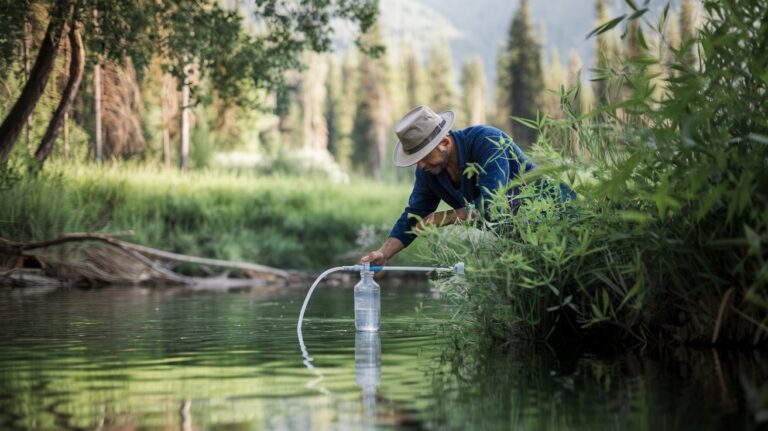
Getting your well water tested involves choosing between certified laboratories, health department services, or home testing kits. Certified labs provide the most comprehensive analysis with legally defensible results, while health departments often offer basic testing at reduced costs. The process typically requires collecting water samples according to specific protocols to ensure accurate results.
When selecting a testing facility, verify their certification through your state’s environmental agency. Certified laboratories must meet strict quality control standards and participate in proficiency testing programs. Many states maintain lists of approved testing facilities, making it easier to find reliable services in your area.
State Health Department Testing Services
Health Department well water testing services offer affordable options for basic water quality analysis, with many states providing coliform testing for $15-25. These programs often include educational resources and guidance on interpreting test results. Contact your local health department to learn about available testing programs, sample collection procedures, and turnaround times for results.
Certified Private Laboratory Testing
Certified well water testing through private laboratories provides comprehensive analysis with faster turnaround times and detailed reporting. These facilities offer customized testing panels based on your specific concerns and local contamination risks. Prices vary from $100-500 depending on the scope of testing, but results are typically available within 3-7 business days.
Well Water Test Kit Options for Home Testing
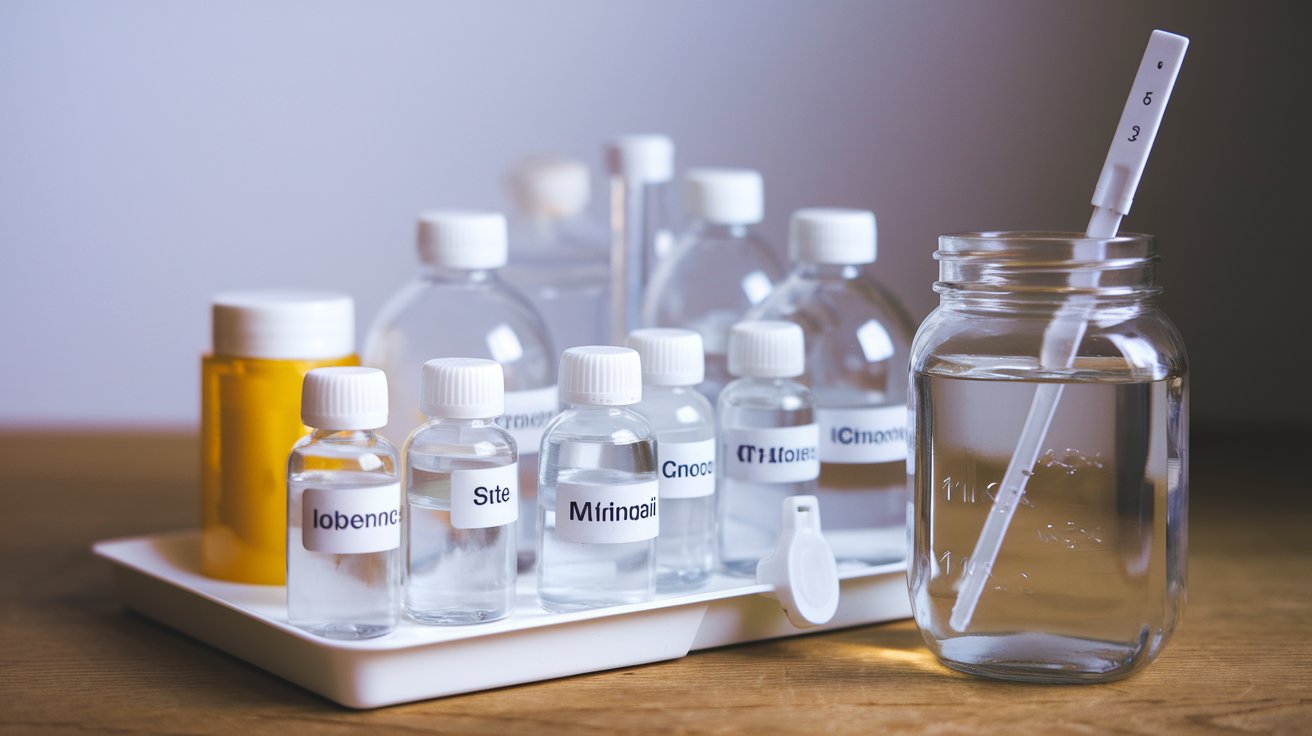
Well water test kits provide convenient screening options for homeowners, though results may not meet regulatory requirements for official documentation. These kits range from simple strip tests for basic parameters to comprehensive mail-in kits that provide laboratory analysis. While cost-effective at $25-150, home kits should supplement rather than replace professional testing.
Popular test kit brands include SimpleLab, Health Metric, and Test Assured, each offering different testing parameters and price points. These kits typically include detailed instructions for sample collection and prepaid shipping to certified laboratories. Results are usually available online within 7-14 days of sample receipt.
Cost Breakdown for Well Water Testing in 2025
Understanding the cost of well water testing helps you budget for regular monitoring and choose appropriate testing levels. Basic bacterial testing costs $20-35, while comprehensive analysis including metals, chemicals, and other contaminants can range from $150-500. Many laboratories offer package deals that reduce per-test costs when multiple parameters are analyzed simultaneously.
Annual testing expenses for most homeowners range from $100-300, depending on local contamination risks and desired testing scope. Some insurance plans cover water testing costs, particularly when recommended by healthcare providers or required for mortgage approvals. Compare pricing from multiple certified laboratories to find the best value for your testing needs.
Understanding Your Well Water Test Results
Interpreting test results requires understanding EPA maximum contaminant levels and state-specific standards for various parameters. Most laboratories provide detailed reports comparing your results to regulatory limits and health advisory levels. Results outside acceptable ranges require immediate attention and may necessitate water treatment or alternative water sources.
Key indicators include bacterial counts, pH levels, nitrate concentrations, and heavy metal content. Your water test report should include recommendations for addressing any issues identified during analysis. Many laboratories offer consultation services to help you understand results and develop appropriate response strategies.
When and How Often to Test Well Water
The EPA recommends annual testing for coliform bacteria and nitrates, with additional testing every three years for other contaminants. However, specific circumstances may require more frequent testing, including nearby contamination sources, changes in water taste or odor, or gastrointestinal illness among household members. Establish a regular testing schedule based on your local risk factors and regulatory recommendations.
Seasonal variations, weather events, and nearby activities can affect water quality, making strategic timing important for accurate results. Spring testing often provides the most representative sample after winter contamination risks have passed. Keep detailed records of all testing results to track changes over time and identify emerging issues.
Free and Low-Cost Well Water Testing Options
Free water testing opportunities exist through various programs, including state health departments, local environmental groups, and utility companies. Many counties offer annual well water testing clinics with reduced-cost services for residents. Additionally, some nonprofit organizations provide testing assistance for low-income households or areas with known contamination issues.
University extension programs often conduct research studies that include free testing for participants. These programs provide valuable water quality data while offering homeowners no-cost analysis. Check with your state’s agricultural extension service or environmental health department for available programs in your area.
Related video about water testing for well water
This video complements the article information with a practical visual demonstration.
Your questions answered
What water tests should be done on a well?
Essential well water tests include annual coliform bacteria and nitrate testing, plus comprehensive analysis every three years for metals, chemicals, pH, hardness, and total dissolved solids. Additional testing for PFAS, pesticides, and volatile organic compounds may be necessary based on local contamination sources and regulatory requirements.
How much does it cost to test a water well?
Well water testing costs range from $20-35 for basic coliform bacteria testing to $150-500 for comprehensive analysis including metals, chemicals, and other contaminants. Most homeowners spend $100-300 annually on testing, with package deals available from certified laboratories to reduce per-parameter costs.
How can I get my well water tested?
You can get well water tested through certified private laboratories, state health department programs, or home test kits. Contact your local health department for affordable basic testing options, or search for EPA-certified laboratories in your area for comprehensive analysis. Proper sample collection procedures are essential for accurate results.
Can you test well water at home?
Yes, home well water test kits are available for screening purposes, ranging from simple strip tests to comprehensive mail-in laboratory analysis. While convenient and cost-effective at $25-150, home tests should supplement rather than replace professional testing from certified laboratories, especially for regulatory compliance or health concerns.
How often should private well water be tested?
The EPA recommends testing private wells annually for coliform bacteria and nitrates, with comprehensive testing every three years for other contaminants. More frequent testing may be necessary if you notice changes in water taste, odor, or appearance, or if contamination sources exist nearby such as septic systems, agriculture, or industrial activities.
What are the most common well water contaminants?
Common well water contaminants include coliform bacteria, nitrates, lead, arsenic, iron, hardness minerals, and volatile organic compounds. Regional variations exist based on geology and land use, with agricultural areas seeing higher nitrate and pesticide levels, while urban areas may have more chemical contamination from industrial sources.
| Testing Method | Cost Range | Key Benefit |
|---|---|---|
| Health Department Testing | $15-35 | Affordable basic screening |
| Certified Laboratory | $100-500 | Comprehensive professional analysis |
| Home Test Kit | $25-150 | Convenient screening option |
| Annual Bacterial Test | $20-35 | Essential safety monitoring |