How to Test Pool Water: Complete Testing Guide 2024-2025
Testing pool water regularly is essential for maintaining safe swimming conditions and protecting your investment. Proper pool water testing helps you monitor chlorine levels, pH balance, and alkalinity to ensure swimmers stay healthy while preventing costly equipment damage. With multiple testing methods available, understanding which approach works best for your needs will keep your pool crystal clear and swim-ready year-round.
Essential Pool Water Testing Parameters
Understanding what to test in your pool water is crucial for maintaining safe swimming conditions. The most important pool water testing parameters include chlorine levels, pH balance, total alkalinity, and calcium hardness. Chlorine should measure between 1.0-3.0 parts per million (ppm), while pH must stay between 7.2-7.6 for optimal swimmer comfort and sanitizer effectiveness. Total alkalinity acts as a pH buffer and should range from 80-120 ppm to prevent rapid pH fluctuations.
Additional parameters worth monitoring include cyanuric acid levels, which should stay between 30-50 ppm in outdoor pools to protect chlorine from UV degradation. Testing for these key factors ensures your pool water remains balanced, safe, and comfortable for swimmers while extending the life of your pool equipment and surfaces.
How to Test Pool Water with Test Strips
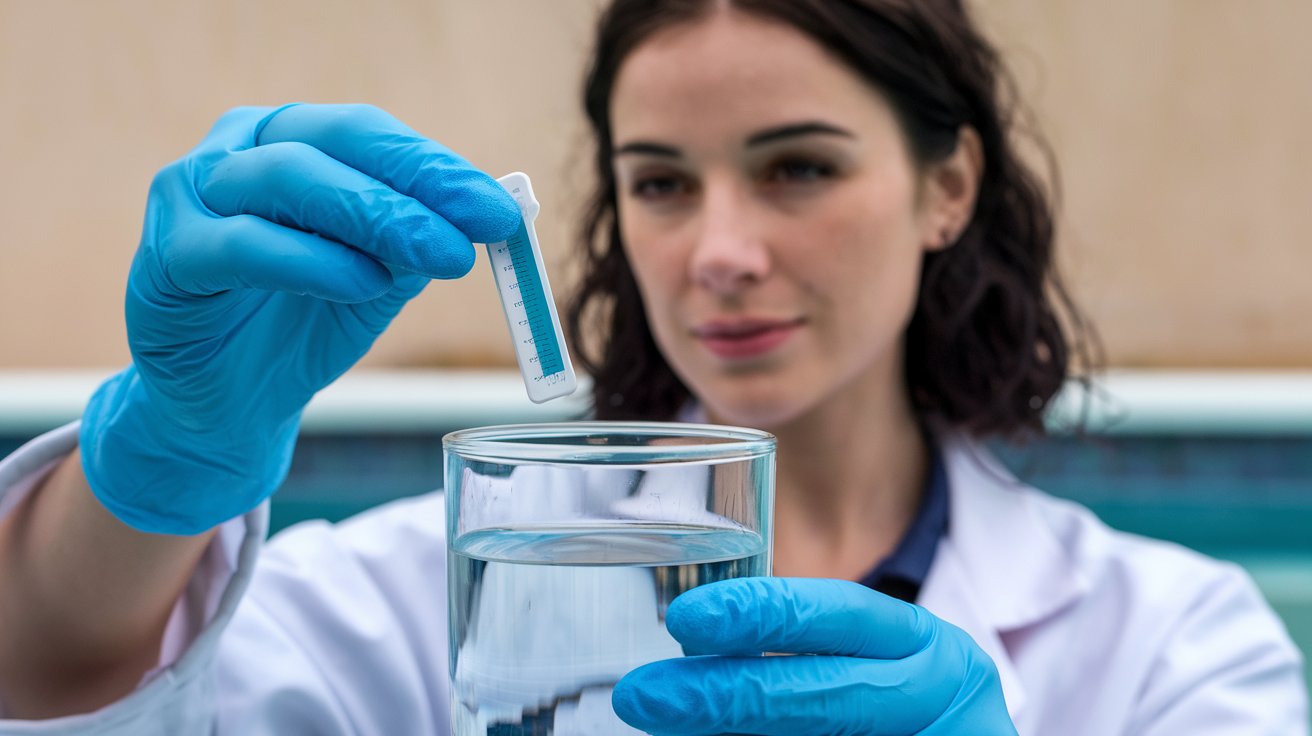
Test strips offer the quickest and most convenient method for regular pool water testing. These plastic strips contain chemical reagents that change color when exposed to different chemical levels in your pool. To get accurate results, collect a water sample from elbow depth, away from return jets and skimmers, preferably in the evening when chlorine levels are most stable after daily swimming activities.
The testing process involves dipping the strip into the water sample for the specified time, typically 1-2 seconds, then immediately removing it without shaking off excess water. Compare the colored pads to the chart within 15-30 seconds for the most accurate readings, as colors continue to develop and may give false readings if read too late.
Step-by-Step Test Strip Process
Begin by collecting a fresh water sample in a clean container from at least 18 inches below the surface and 6 feet away from any return jets. Dip the test strips straight down into the sample, ensuring all test pads are completely submerged for exactly 1 second. Remove the strip and shake once to remove excess water, then wait exactly 15 seconds before comparing colors to the provided chart for the most reliable results.
Reading and Interpreting Strip Results
Hold the test strip next to the color chart in good lighting, matching each pad to its corresponding color range. Read chlorine and pH levels first, as these are time-sensitive measurements. If colors fall between two ranges on the chart, choose the higher reading for safety. Document your results to track trends over time, and remember that testing should be done 2-3 times per week during swimming season for optimal water quality maintenance.
Using Digital Test Kits for Pool Water Analysis
Digital test kits represent the most advanced accurate method for pool water testing, providing precise numerical readings rather than color interpretation. These electronic devices eliminate guesswork and human error common with visual color matching. Popular models like the Solaxx SafeDip Digital Chemistry Tester can measure chlorine, pH, and other parameters with laboratory-grade accuracy, making them ideal for pool professionals and serious pool owners.
The digital testing process typically involves collecting a water sample in the provided vial, adding the appropriate reagent drops, and inserting the sample into the meter. The device displays exact numerical readings within seconds, allowing for precise chemical adjustments. While more expensive than strips, digital test kits pay for themselves through accurate dosing and reduced chemical waste.
Advantages of Digital Pool Testing
Digital testers eliminate color-blind testing errors and provide consistent results regardless of lighting conditions. They store previous readings for trend analysis and often include temperature compensation for enhanced accuracy. Many models feature automatic calibration and can test multiple parameters simultaneously, making them invaluable tools for maintaining precise water chemistry in residential and commercial pools.
Operating Digital Test Equipment
Before each use, rinse the testing chamber with distilled water to prevent contamination from previous tests. Collect your sample from the same location each time for consistency, and ensure the digital meter is calibrated according to manufacturer specifications. Most units require periodic calibration with standard solutions to maintain accuracy, typically every 30-60 days depending on usage frequency and pool water conditions.
Liquid Test Kits for Precise Pool Chemistry
Liquid test kits, particularly the drop test method, provide the most accurate results for critical measurements like chlorine and pH levels. These kits use liquid reagents that create distinct color changes proportional to chemical concentrations in your pool water. The Taylor K-2006 and similar professional-grade kits are preferred by pool service technicians because they deliver laboratory-quality results at an affordable price point.
The liquid testing process involves filling test vials with pool water samples, then adding precise drops of reagent while counting each drop. For chlorine testing, you add reagent drops until the sample changes color, with each drop representing a specific concentration level. This method provides exact measurements crucial for proper chemical balancing and swimmer safety.
Performing Chlorine Drop Tests
Fill the chlorine test vial to the marked line with your pool water sample, then add reagent drops one at a time while swirling gently. Count each drop as you add them until the sample changes from pink to clear. Each drop typically represents 0.2 ppm of chlorine, so 10 drops equals 2.0 ppm. This precise counting method ensures you can determine exact chlorine levels for proper sanitization without overdosing.
pH Testing with Liquid Reagents
For pH testing, fill the designated vial to the line and add exactly 5 drops of phenol red indicator solution. The resulting color corresponds to specific pH ranges on the provided chart. Red indicates high pH above 7.8, while yellow shows low pH below 7.2. The ideal range produces an orange-red color indicating pH between 7.2-7.6, which is safe for swimmers and equipment.
When and How Often to Test Pool Water
Regular testing frequency depends on pool usage, weather conditions, and bather load. During peak swimming season, test your pool water 2-3 times per week, with daily testing recommended for heavily used pools or during hot weather when chemical consumption accelerates. Test in the evening after swimming activities have ended but before adding any chemicals, as this timing provides the most accurate baseline readings.
Increase testing frequency after heavy rainfall, pool parties, or when you notice visible water quality changes. Storm events can dilute chemical levels and introduce contaminants, while high bather loads consume chlorine rapidly. Weekly testing may suffice during winter months when pools see minimal use, but always test before reopening after extended closure periods to ensure safe swimming conditions.
Understanding Safe Swimming Water Levels
Knowing when your pool water is safe for swimming requires understanding acceptable ranges for each tested parameter. Free chlorine should read between 1.0-3.0 ppm for effective sanitization without causing eye or skin irritation. pH levels between 7.2-7.6 ensure chlorine effectiveness while maintaining swimmer comfort. Total alkalinity should stay within 80-120 ppm to stabilize pH and prevent equipment corrosion.
Never allow swimmers to enter when free chlorine exceeds 5.0 ppm or drops below 1.0 ppm, as high levels cause irritation while low levels permit dangerous bacteria growth. Similarly, pH levels outside the 6.8-7.8 range can damage equipment and cause swimmer discomfort. Always wait at least 30 minutes after adding chemicals before retesting to allow proper circulation and mixing throughout the pool water system.
Troubleshooting Common Pool Water Testing Issues
Several factors can affect the accuracy of your pool water testing results. Expired test strips or reagents produce unreliable readings, so replace these materials annually or when colors appear faded. High cyanuric acid levels above 100 ppm can interfere with chlorine test accuracy, requiring dilution tests or professional analysis to obtain correct readings.
Extremely high chlorine levels may bleach test strip pads white, making them appear to show zero chlorine when actually over-chlorinated. In such cases, dilute your sample with distilled water at a 1:1 ratio and multiply results by two. Temperature extremes also affect testing accuracy, so allow hot tub or heated pool samples to cool to room temperature before testing for the most reliable results.
Dealing with Inconsistent Test Results
When test results seem inconsistent, first verify your testing technique and reagent expiration dates. Collect samples from multiple pool locations to ensure proper mixing and circulation. If using test strips, ensure they’re stored in a cool, dry place with the cap tightly sealed. Cross-check results using a different testing method or take a sample to your local pool store for professional verification and troubleshooting guidance.
Maintaining Testing Equipment
Proper equipment maintenance ensures consistent, accurate results over time. Rinse test vials with distilled water after each use and store in a clean, dry location. Replace liquid reagents annually and test strips every two years, even if unused. Digital meters require periodic calibration with standard solutions and battery replacement according to manufacturer specifications to maintain precision in your pool water testing routine.
Professional vs. Home Testing Options
While home testing covers basic maintenance needs, professional testing provides comprehensive analysis including parameters like phosphates, metals, and salt levels that home test kits cannot measure. Many pool stores offer free computerized water analysis using advanced equipment that provides detailed chemical recommendations and balancing instructions. This service proves invaluable for problem-solving persistent water quality issues or seasonal pool opening and closing procedures.
Combine regular home testing with monthly professional analysis for optimal results. Use home tests for routine monitoring and immediate adjustments, while relying on professional testing for complete water evaluation and seasonal maintenance planning. This approach ensures your pool water stays perfectly balanced while identifying potential problems before they become costly repairs or health hazards.
Related video about how to test pool water
This video complements the article information with a practical visual demonstration.
Key Questions and Answers
How can I test my pool water myself at home?
You can easily test your pool water at home using test strips, liquid test kits, or digital testers. Test strips are the quickest method – simply dip them in pool water for 1 second, remove, and compare colors to the chart within 15 seconds. For more accurate results, use liquid drop tests that provide exact numerical readings for chlorine and pH levels.
What is the most accurate method of pool testing?
Liquid test kits using the drop-count method provide the most accurate results for home testing. Digital testers offer laboratory-grade precision but cost more. Professional computerized testing at pool stores delivers the highest accuracy and can measure parameters like phosphates and metals that home kits cannot detect.
How often should I test my pool water for safety?
Test your pool water 2-3 times per week during swimming season, with daily testing recommended for heavily used pools or during hot weather. Increase frequency after storms, pool parties, or when you notice water quality changes. Winter months may only require weekly testing when pool usage is minimal.
How do I know if my pool water is safe to swim in?
Pool water is safe for swimming when free chlorine reads 1.0-3.0 ppm, pH stays between 7.2-7.6, and total alkalinity measures 80-120 ppm. Never swim when chlorine exceeds 5.0 ppm or drops below 1.0 ppm. Always wait 30 minutes after adding chemicals before retesting and swimming.
Can I test pool water without using a test kit?
While you cannot accurately measure chemical levels without proper testing equipment, you can observe visual signs like cloudy water, strong chlorine odor, or algae growth that indicate water problems. However, these visual cues don’t provide specific chemical readings needed for safe swimming and proper water balance.
How do I test pool water for bacteria?
Home test kits cannot detect bacteria directly. Maintaining proper chlorine levels (1.0-3.0 ppm) and pH balance (7.2-7.6) prevents most bacterial growth. For suspected bacterial contamination, collect samples in sterile containers and send to certified laboratories for professional microbial analysis, especially after sewage contamination or illness outbreaks.
| Testing Method | Accuracy Level | Best For |
|---|---|---|
| Test Strips | Good for basic monitoring | Quick daily checks |
| Liquid Test Kits | High accuracy | Precise chemical balancing |
| Digital Testers | Laboratory precision | Professional maintenance |
| Professional Testing | Highest accuracy | Complex problem solving |