How to Test Water Quality at Home: Complete 2025 Guide
Testing your water quality at home is crucial for ensuring safe drinking water for your family. With over 15,000 public water systems in the United States potentially containing contaminants, understanding how to evaluate your water’s safety has never been more important. This comprehensive guide covers professional testing methods, DIY solutions, and free EPA testing options available in 2025.
Understanding Water Quality Testing Basics
Water quality testing involves analyzing your drinking water for various contaminants including bacteria, chemicals, heavy metals, and pH levels. The EPA regulates over 90 different contaminants in public water supplies, but your home’s water can still be affected by local pipes, well conditions, or treatment facility issues. Regular testing helps identify problems before they impact your health.
The quality of your water can vary significantly based on your location, source, and distribution system. Municipal water typically undergoes treatment, but private wells serve approximately 15% of American households and require individual testing responsibility. Understanding these basics helps you choose the most appropriate testing method for your specific situation.
Professional Water Testing Options
Professional water testing services provide the most comprehensive and accurate results for evaluating your water quality. These services typically cost between $150-$500 depending on the scope of testing required.
Laboratory Testing Services
Certified laboratories offer detailed analysis of your water samples with results typically available within 5-10 business days. These facilities test for bacteria, heavy metals, pesticides, volatile organic compounds, and other contaminants. Many labs provide easy-to-understand reports with recommendations for addressing any identified issues. The accuracy of laboratory testing makes it ideal for comprehensive health assessments or when selling real estate.
EPA-Certified Testing Programs
The EPA maintains a list of certified testing facilities across all 50 states, ensuring standardized testing procedures and reliable results. These EPA-certified labs must meet strict quality control standards and participate in regular proficiency testing. Many state health departments also offer testing services or can recommend certified local laboratories for comprehensive water analysis.
Home Water Test Kits
DIY water test kits provide convenient and affordable options for basic water quality assessment. These kits typically cost $20-$200 and can detect common contaminants within minutes or hours of testing.
Strip Test Kits
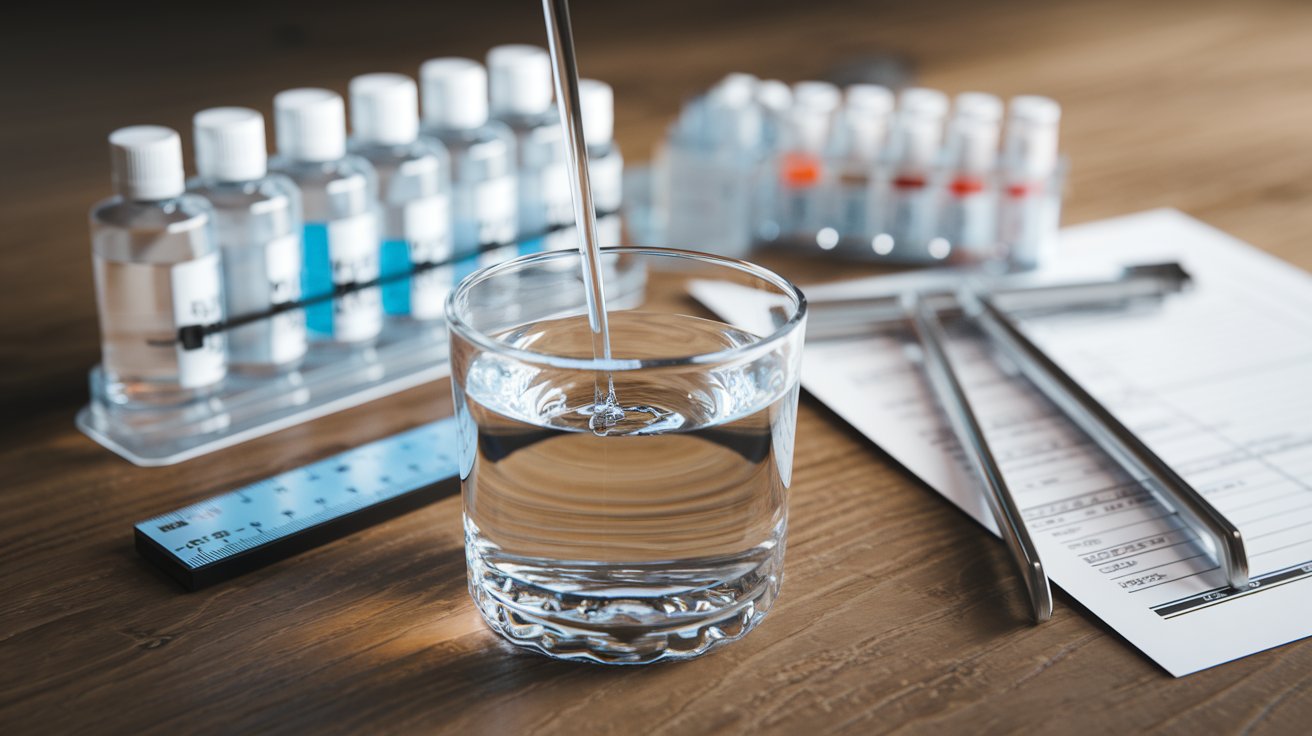
Test strips offer immediate results for basic parameters like pH levels, chlorine, hardness, and iron content. Simply dip the strip in your water sample and compare colors to the provided chart. While convenient and inexpensive at $10-$30, these tests provide limited accuracy and cannot detect bacteria or many serious contaminants. They’re best used for ongoing monitoring rather than comprehensive safety assessment.
Mail-In Test Kits
Mail-in kits combine convenience with laboratory accuracy by allowing you to collect samples at home and send them to certified facilities. Popular options include Tap Score Advanced tests ranging from $180-$400, which analyze dozens of contaminants including lead, bacteria, and pesticides. Results typically arrive within 7-14 days via email with detailed explanations and recommendations.
Free Water Testing Resources
Several free testing options are available for homeowners concerned about water quality, particularly for specific contaminants or emergency situations.
Local Health Department Programs
Many county and state health departments offer free water testing for bacteria, nitrates, and other health-related contaminants. These programs often prioritize private well owners, pregnant women, and families with infants. Contact your local health department to inquire about available services, eligibility requirements, and testing schedules in your area.
EPA Emergency Testing
The EPA provides emergency testing services during contamination events or public health emergencies. While not available for routine testing, these free EPA services become accessible during declared emergencies or when contamination affects multiple households. Additionally, some EPA grants fund community testing programs in underserved areas.
Testing for Specific Contaminants
Different contaminants require specialized testing approaches and equipment. Understanding which tests to prioritize based on your water source and local conditions helps ensure comprehensive safety assessment.
Bacteria and Microbial Testing
Testing for bacteria in water requires special sample collection procedures and incubation periods. Coliform bacteria testing costs $25-$75 and indicates potential contamination from sewage or animal waste. Private well owners should test for bacteria at least annually, while those experiencing stomach issues or unusual taste should test immediately. Proper sample collection using sterile containers is crucial for accurate results.
Heavy Metal Detection
Lead, copper, and other heavy metals require specialized testing due to their serious health implications. Lead testing is particularly important for homes built before 1986 or those with older plumbing systems. Many testing kits specifically target lead detection for $20-$50, while comprehensive heavy metal panels cost $100-$200. First-draw samples collected after water sits in pipes overnight provide the most accurate results.
DIY Testing Without Commercial Kits
While not as accurate as commercial testing, several methods allow basic water quality assessment using household items and simple observations.
Visual and Sensory Testing
Observing your water’s appearance, smell, and taste provides initial quality indicators. Clear, odorless water with no unusual taste suggests basic safety, while cloudiness, discoloration, or chemical odors indicate potential problems requiring professional testing. Document any changes in water appearance or taste, as these often signal developing contamination issues.
Simple pH Testing
Pool test strips or digital pH meters can measure your water’s acidity levels. Safe drinking water pH should range between 6.5-8.5 according to EPA guidelines. Values outside this range may indicate corrosion issues or treatment problems. While not comprehensive, pH testing costs under $10 and provides valuable baseline information about your water’s chemical balance.
When and How Often to Test
Testing frequency depends on your water source, local conditions, and previous results. Private well water testing should occur annually at minimum, while municipal water users might test every 2-3 years or when experiencing problems. New homeowners should test within 30 days of moving, and any changes in taste, odor, or appearance warrant immediate testing regardless of previous results.
Seasonal testing considerations include spring testing after snow melts, which can introduce surface contaminants, and testing after heavy rains or flooding events. Additionally, testing after plumbing work, nearby construction, or industrial activity helps identify newly introduced contamination sources in your house water supply.
Related video about how to test water quality
This video complements the article information with a practical visual demonstration.
Your questions answered
How can I test the quality of my water at home?
You can test water quality at home using test strips ($10-30), mail-in kits ($50-400), or digital meters for specific parameters. Test strips provide immediate basic results, while mail-in kits offer laboratory accuracy. Contact local health departments for free testing options, especially for bacteria and nitrates.
Can I test my water at home for free?
Yes, several free options exist including local health department programs, EPA emergency testing during contamination events, and some community grant programs. Many counties offer free bacteria testing for private wells. Contact your local health department to inquire about available free testing services in your area.
How do you test house water quality without a kit?
Basic testing without commercial kits includes visual inspection for cloudiness or discoloration, smell testing for chemical odors, and taste evaluation. You can use pool pH strips for acidity testing and observe water pressure or mineral buildup. However, these methods cannot detect bacteria or many harmful contaminants requiring professional testing.
Where can I get my water tested for free?
Free water testing is available through county health departments, state environmental agencies, EPA emergency programs, and some university extension services. Many areas offer free bacteria testing for private wells. Search ‘free water testing [your county]’ or contact your local health department for specific programs and eligibility requirements.
How often should I test my drinking water?
Private well owners should test annually for bacteria and every 3 years for chemical contaminants. Municipal water users should test every 2-3 years or when experiencing taste, odor, or appearance changes. New homeowners should test within 30 days, and everyone should test after plumbing work or nearby contamination events.
What contaminants should I test for first?
Priority testing includes bacteria (coliform), lead, nitrates, and pH levels. Well water requires additional testing for arsenic and fluoride. Urban areas should test for chlorine byproducts and industrial chemicals. Agricultural regions need pesticide testing. Start with basic safety parameters before expanding to comprehensive chemical analysis.
| Testing Method | Cost Range | Best For |
|---|---|---|
| Test Strips | $10-$30 | Quick basic screening |
| Mail-in Kits | $50-$400 | Comprehensive home testing |
| Professional Lab | $150-$500 | Most accurate results |
| Health Department | Free | Basic safety screening |