Is Tap Water Safe to Drink? 2025 US Safety Guide & Facts
Tap water safety in the United States is generally safe to drink due to strict federal regulations, with over 90% of public water systems meeting EPA standards. However, concerns about contaminants, aging infrastructure, and regional variations make it important to understand how to know if tap water meets safety standards in your specific area.
Is Tap Water Safe to Drink in the United States?
The Environmental Protection Agency (EPA) regulates tap water safety through the Safe Drinking Water Act, establishing maximum contaminant levels for over 90 substances. As of 2025, approximately 286 million Americans receive water from public systems that meet federal safety standards. The EPA requires regular testing and public reporting, making US tap water among the safest globally.
Public water utilities must test for bacteria, viruses, chemicals, and heavy metals daily or weekly depending on the contaminant type. When violations occur, utilities must notify customers within 24 hours for acute health risks or within one year for less immediate concerns. This regulatory framework ensures that drinking water from tap sources maintains consistent quality across most American communities.
How Can Tap Water Become Unsafe?
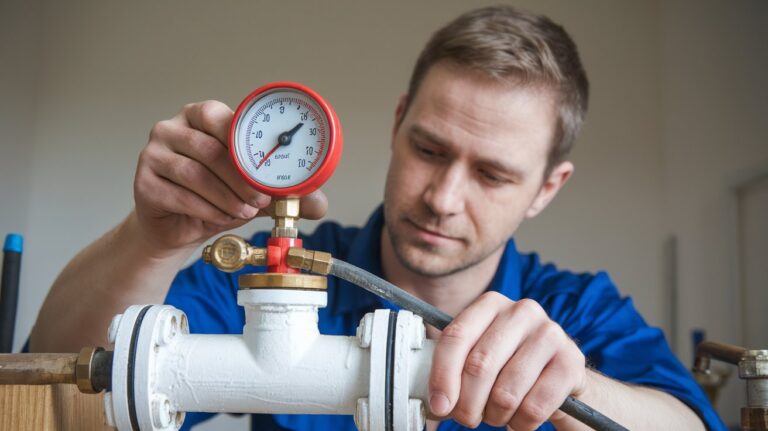
Several factors can compromise tap water safety, with aging infrastructure being the primary concern affecting millions of Americans in 2025. Lead pipes, installed before 1986, still serve approximately 6-10 million homes, potentially leaching harmful metals into drinking water. Additionally, water treatment plant failures, natural disasters, and cross-contamination from industrial sources can temporarily make tap water unsafe for consumption.
Microbiological contamination occurs when treatment systems fail to adequately disinfect water or when distribution pipes develop breaks. Chemical contamination can result from agricultural runoff, industrial discharge, or naturally occurring substances like arsenic and radon. Climate change has also increased the frequency of algal blooms and extreme weather events that challenge water treatment facilities, making it essential to know if tap water is safe in your area.
Common Contaminants in US Tap Water
Lead contamination affects an estimated 15-22 million Americans, particularly in older urban areas where tap water flows through aging pipes. Chlorine byproducts, while necessary for disinfection, can form trihalomethanes that may pose long-term health risks. PFAS (forever chemicals) have been detected in water systems serving over 200 million people, prompting new EPA regulations scheduled for implementation by 2026.
Regional Water Quality Variations
Water quality varies significantly across regions, with some areas facing unique challenges that affect whether tap water is safe to drink. Western states often deal with naturally occurring arsenic and uranium, while agricultural regions may have elevated nitrate levels from fertilizer runoff. Coastal areas face saltwater intrusion challenges, and industrial regions may have legacy contamination affecting local water supplies.
How to Know if Your Drinking Water is Safe
Every public water system must provide annual Consumer Confidence Reports (CCR) by July 1st, detailing water quality test results and any violations from the previous year. These reports, available online or by request, show exactly what’s in your tap water and whether it meets EPA standards. Additionally, you can access real-time water quality data through your utility’s website or the EPA’s Safe Drinking Water Information System.
For households with private wells serving 25 or fewer people, testing responsibility falls on the homeowner. The CDC recommends annual testing for bacteria, nitrates, and total dissolved solids, with additional testing every three years for pesticides, heavy metals, and other chemical contaminants. Home testing kits or certified laboratory analysis can help determine if your drinking water from tap sources meets safety standards.
Professional Water Testing Options
Certified laboratories offer comprehensive water analysis ranging from basic bacterial testing ($25-50) to full chemical panels ($150-300). Many state health departments provide free or low-cost testing for specific contaminants like lead or bacteria. Professional testing is essential when you notice changes in tap water taste, odor, or appearance, or if you live in an area with known contamination issues.
Home Water Testing Kits
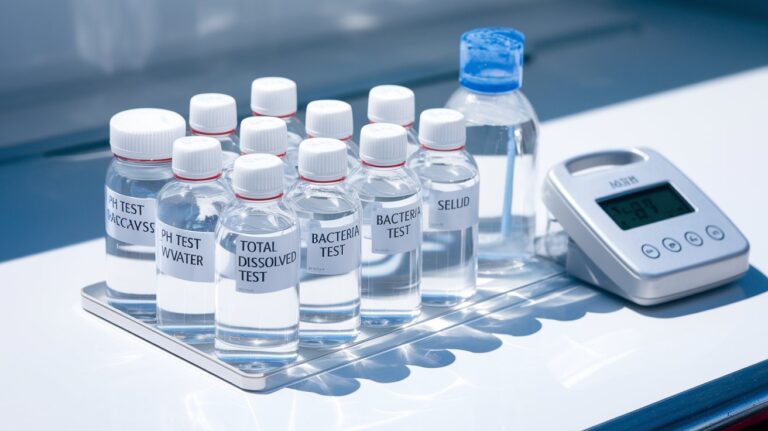
Home testing kits provide convenient screening for common contaminants, with digital TDS meters measuring total dissolved solids and pH levels instantly. Multi-parameter test strips can detect chlorine, hardness, iron, copper, and bacteria within minutes. However, these kits have limitations and cannot replace professional laboratory analysis for determining if tap water is safe for long-term consumption.
Where Tap Water Can Be Risky
Certain locations and circumstances present higher risks for tap water safety, requiring extra precaution or alternative water sources. Older buildings constructed before 1986 may have lead pipes or solder, while rural areas with private wells face contamination risks from agricultural runoff, septic systems, and naturally occurring contaminants without the regulatory oversight of public systems.
Emergency situations such as natural disasters, power outages, or infrastructure failures can compromise water treatment and distribution systems. During these events, local authorities typically issue boil water advisories or recommend avoiding tap water entirely until systems are restored and tested. Immunocompromised individuals, pregnant women, and infants may need additional precautions even when water meets general safety standards.
High-Risk Geographic Areas
Flint, Michigan’s water crisis highlighted how local decisions can compromise tap water safety, while areas near military bases often face PFAS contamination from firefighting foam use. Mining regions in Appalachia and the West frequently deal with heavy metal contamination, and agricultural areas in California’s Central Valley have elevated nitrate levels that make drinking water from tap sources potentially unsafe for infants.
Vulnerable Populations and Special Considerations
Infants under six months are particularly susceptible to nitrate poisoning, while pregnant women should avoid excessive lead exposure that can affect fetal development. Cancer patients and others with compromised immune systems may need to boil tap water or use bottled alternatives to prevent infections from normally harmless microorganisms that healthy individuals can tolerate.
Tap Water vs Bottled Water: Making the Right Choice
The debate over whether it’s better to drink bottled or tap water involves considerations of safety, cost, environmental impact, and convenience. Municipal tap water costs approximately $0.004 per gallon compared to bottled water’s average of $1.22 per gallon, making tap water 300 times more cost-effective. From a safety perspective, both are regulated, but tap water faces more stringent testing requirements with daily monitoring versus bottled water’s weekly testing standards.
Environmental impact strongly favors tap water, as bottled water production requires 3-7 times more water than the final product and generates significant plastic waste. However, bottled water provides security during emergencies or when traveling to areas with questionable water quality. The choice depends on individual circumstances, local water quality, and personal preferences regarding taste and convenience.
Improving Your Tap Water Quality
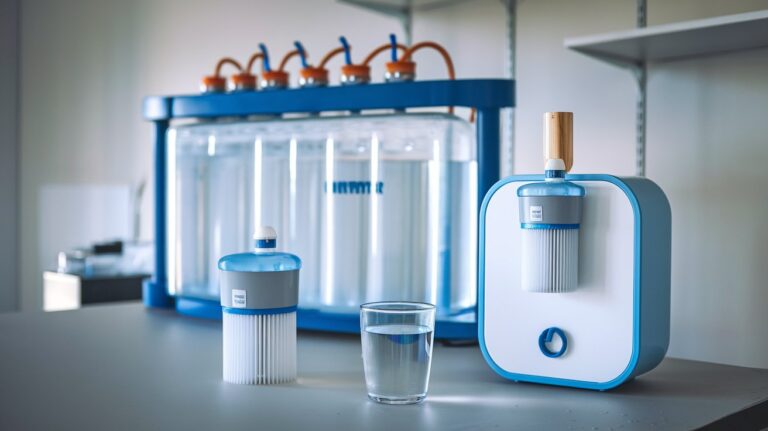
Home water filtration systems can enhance tap water safety and taste, with options ranging from simple carbon filters ($20-100) to comprehensive reverse osmosis systems ($200-800). Carbon filters effectively remove chlorine, pesticides, and some heavy metals, while reverse osmosis systems eliminate up to 99% of dissolved contaminants including lead, arsenic, and bacteria.
Regular maintenance is crucial for filtration effectiveness, with carbon filters requiring replacement every 2-6 months and reverse osmosis membranes lasting 2-3 years. UV sterilization systems provide additional protection against bacteria and viruses, particularly valuable for private well users. Before investing in filtration, test your tap water to identify specific contaminants and select appropriate treatment technology.
Types of Home Water Filters
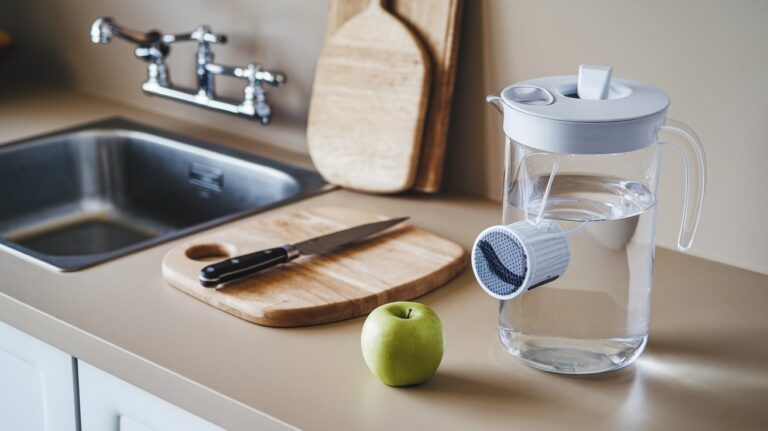
Pitcher filters offer convenience and affordability for basic chlorine removal, while under-sink systems provide higher capacity and better contaminant reduction. Whole-house filtration systems treat all tap water entering your home, protecting appliances and providing filtered water at every faucet. Each system has specific capabilities, so matching filter technology to your water quality issues ensures optimal performance.
Filter Maintenance and Replacement
Proper filter maintenance ensures continued effectiveness in making tap water safe for consumption. Carbon filters lose effectiveness gradually, with flow rate reduction often indicating replacement time. Reverse osmosis systems include multiple filter stages with different replacement schedules, typically ranging from 6 months for pre-filters to 2-3 years for RO membranes.
Related video about is tap water safe drink
This video complements the article information with a practical visual demonstration.
Frequently Asked Questions
Is it okay to drink water from a tap in the United States?
Yes, tap water in the United States is generally safe to drink. Over 90% of public water systems meet EPA safety standards, with regular testing for bacteria, chemicals, and heavy metals. However, older buildings with lead pipes and certain geographic areas may require additional precautions or water testing.
How do I know if my tap water is safe to drink?
Check your annual Consumer Confidence Report from your water utility, which details test results and any violations. You can also have your water professionally tested or use home testing kits. Signs of unsafe water include unusual taste, odor, or discoloration, which warrant immediate testing.
Is it better to drink bottled water or tap water?
Tap water is generally safer, more cost-effective, and environmentally friendly compared to bottled water. Tap water costs about $0.004 per gallon versus $1.22 for bottled water and undergoes more frequent testing. Bottled water may be preferable during emergencies or when traveling to areas with poor water quality.
What makes tap water unsafe to drink?
Tap water becomes unsafe due to aging infrastructure, lead pipes, treatment system failures, contamination from industrial sources, or natural disasters. Common contaminants include lead, bacteria, chlorine byproducts, PFAS chemicals, and naturally occurring substances like arsenic, depending on your geographic location.
When should I avoid drinking tap water?
Avoid tap water during boil water advisories, if you live in a building with lead pipes, or if you’re in a high-risk area with known contamination. Vulnerable populations including infants, pregnant women, and immunocompromised individuals may need extra precautions even when water meets general safety standards.
| Safety Factor | Tap Water Details | Key Benefit |
|---|---|---|
| EPA Regulation | 90+ contaminants monitored daily | Consistent safety standards |
| Cost Efficiency | $0.004 per gallon average | 300x cheaper than bottled |
| Testing Frequency | Daily monitoring required | More frequent than bottled |
| Environmental Impact | Minimal plastic waste | Sustainable water choice |