Well Water Testing Near Me: Local Labs & Cost Guide 2025
Finding reliable well water testing near me is crucial for protecting your family’s health and ensuring safe drinking water. This comprehensive guide connects you with certified local testing facilities, explains costs, and reveals free testing options available in your area for 2025.
Essential Information Before Contacting Testing Labs
Before scheduling your well water testing, understanding key laboratory requirements saves time and ensures accurate results. Most certified facilities require specific sampling procedures, proper container sterilization, and adherence to strict timing protocols to maintain sample integrity throughout the testing process.
Professional water testing labs typically provide detailed instructions for sample collection, including temperature requirements and maximum time limits between collection and delivery. Following these protocols prevents contamination and ensures your test results accurately reflect your well water’s true condition.
Informational vs. Compliance Testing Options
Understanding the difference between informational and compliance testing helps you choose the right service for your needs. Informational testing provides general water quality insights for personal knowledge, while compliance testing meets regulatory requirements for real estate transactions, mortgage applications, and legal documentation with certified chain-of-custody procedures.
Laboratory Accreditation and Certification Standards
Verified certified well water testing laboratories must maintain EPA certification and state-specific accreditations to provide legally valid results. Look for facilities with ISO 17025 certification, which ensures internationally recognized quality standards for testing accuracy and reliability in your local area.
Regional Well Water Testing Laboratory Directory
Locating well water testing near me requires understanding regional laboratory networks and their specializations. Each geographic region maintains certified facilities equipped to handle local water quality concerns, from agricultural contamination to industrial pollutants specific to your area’s environmental challenges.
State health departments coordinate with private well water testing laboratories to ensure comprehensive coverage across all counties and municipalities, providing accessible testing services regardless of your rural or urban location throughout the United States.
Northeast Regional Testing Network
The Northeast region offers extensive well water testing near Philadelphia, PA and surrounding states through university extension programs, state-certified commercial laboratories, and county health departments. Pennsylvania, New York, and New Jersey maintain particularly robust networks with same-day sample processing capabilities.
Southeast Testing Infrastructure
Southern states provide well water testing through agricultural extension offices, environmental consulting firms, and specialized laboratories focusing on regional concerns like saltwater intrusion, agricultural runoff, and naturally occurring minerals common in southeastern groundwater systems.
Midwest Laboratory Services
Midwest well water testing facilities specialize in agricultural contamination detection, including pesticides, nitrates, and bacteria commonly found in farming regions. University laboratories and state-certified commercial facilities provide comprehensive testing with expertise in rural water quality issues specific to agricultural communities.
Western Region Testing Capabilities
Western laboratories focus on well water testing for heavy metals, naturally occurring radioactive materials, and mineral content typical of mountainous and desert regions. These facilities understand regional geology and provide specialized testing for arsenic, uranium, and other naturally occurring contaminants.
Well Water Testing Costs and Pricing Analysis
Understanding well water testing costs helps budget for regular monitoring and comprehensive analysis. Basic bacterial testing typically ranges from $50-$150, while comprehensive chemical analysis including heavy metals, pesticides, and radioactive materials costs $200-$500 depending on your location and laboratory selection.
Many laboratories offer tiered pricing packages, with basic safety panels covering essential health indicators and premium packages including extensive contaminant screening. Private well water testing costs vary significantly based on geographic location, with urban areas generally offering more competitive pricing due to laboratory concentration.
Free Well Water Testing Programs and Resources
Discovering free well water testing near me requires researching local health departments, environmental agencies, and nonprofit organizations offering subsidized testing programs. Many counties provide annual free testing events, particularly in rural areas with higher private well concentrations and limited municipal water access.
State environmental agencies frequently sponsor health department well water testing initiatives, especially following natural disasters, contamination events, or in areas with known groundwater quality concerns. These programs typically focus on basic safety parameters including bacteria, nitrates, and pH levels.
County Health Department Programs
Local health department well water testing programs offer subsidized or free testing for income-qualified residents, with many counties providing annual testing clinics and emergency response testing following contamination events. Contact your county health department for specific program availability and eligibility requirements in your area.
State Environmental Agency Initiatives
State environmental agencies coordinate free well water testing near me through grant-funded programs, university partnerships, and emergency response initiatives. These programs often target specific geographic areas with known contamination risks or underserved rural communities with limited testing access.
DIY Well Water Testing Kits vs. Professional Laboratory Analysis
Comparing well water testing kit options with professional laboratory services reveals significant differences in accuracy, comprehensiveness, and legal validity. DIY kits provide basic screening for common contaminants at $20-$150, while professional analysis offers certified results with legal standing for real estate and regulatory compliance purposes.
Home test kits work well for routine monitoring and initial screening but lack the precision and comprehensive analysis capabilities of certified laboratories. Professional testing provides detailed contaminant identification, concentration measurements, and interpretation guidance from qualified technicians.
Sample Collection and Testing Procedures
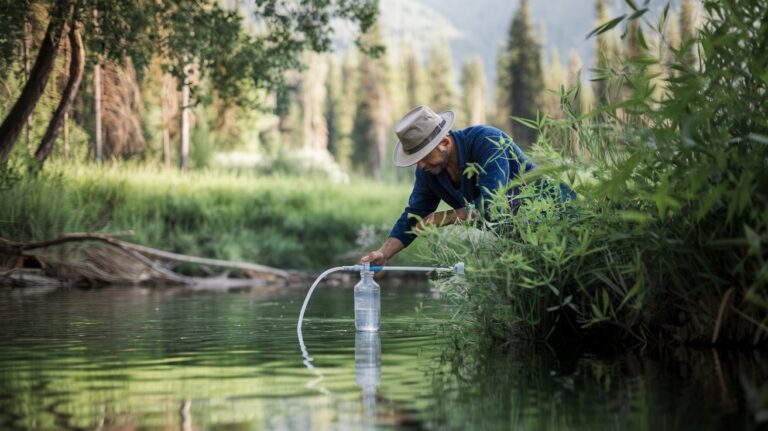
Proper sample collection ensures accurate well water testing results and prevents contamination during the collection process. Most laboratories provide sterile collection containers, detailed instructions, and specific timing requirements to maintain sample integrity from collection through analysis completion.
Professional sampling techniques include faucet sterilization, proper flow procedures, and temperature maintenance during transport. Following these protocols ensures your test results accurately represent your well water quality without external contamination affecting the analysis outcomes.
Related video about well water testing near me
This video complements the article information with a practical visual demonstration.
Your questions answered
How much does it cost to test a water well?
Well water testing costs range from $50-$150 for basic bacterial analysis to $200-$500 for comprehensive chemical testing including heavy metals, pesticides, and radioactive materials. Prices vary by location, with urban areas typically offering more competitive rates due to laboratory concentration.
What is the best way to test well water?
The best approach combines annual comprehensive laboratory testing with quarterly basic safety testing for bacteria and nitrates. Use certified laboratories for legally valid results, and consider DIY kits for routine monitoring between professional tests.
How can I get my water tested for free?
Free well water testing is available through county health departments, state environmental agencies, and nonprofit organizations. Many counties offer annual free testing events, and some programs provide subsidized testing for income-qualified residents or areas with known contamination risks.
Who do I call to have my well water tested?
Contact your county health department first for local testing resources and free programs. Alternatively, search for EPA-certified laboratories in your area, university extension services, or environmental consulting firms that specialize in well water analysis.
Where can I get my water tested for free near me?
Check with your local county health department, state environmental agency, and university extension offices for free testing programs. Many areas offer annual testing clinics, and some nonprofits provide subsidized testing for underserved communities.
What contaminants should I test for in well water?
Essential tests include bacteria, nitrates, pH, and total dissolved solids. Comprehensive testing should include heavy metals like arsenic and lead, pesticides, volatile organic compounds, and naturally occurring radioactive materials depending on your regional geology and nearby land use.
| Testing Option | Cost Range | Best Use Case |
|---|---|---|
| DIY Testing Kits | $20-$150 | Routine monitoring and basic screening |
| Professional Laboratory | $200-$500 | Comprehensive analysis and legal documentation |
| Health Department Testing | Free-$50 | Annual safety checks and emergency screening |
| University Extension | $75-$200 | Educational purposes and regional expertise |